
University certificate







The world's largest faculty of medicine”
Introduction to the Program
This complete Master's Degree in Update on Pediatric Rheumatology Update will give you the key characteristics of new approaches, from an innovative and global perspective”

Childhood is not a territory exempt from rheumatological disease (RD). Although it is difficult to know their exact prevalence, given the absence of specific and global studies, they are potentially serious diseases that carry with them a significant decrease in the quality of life of the affected child. Comprehensive care for patients and their families as a fundamental part of the process is an essential condition in the approach to this group of diseases.
This Master's Degree offers a different look at global care that a child affected by RD needs. A comprehensive approach that covers all aspects of this care: from pre- and post-diagnostic care for families, pharmacological criteria, and psychological and emotional care for the affected person and their environment.
A holistic approach will be acquired through the most specific and comprehensive online training on the market.
During this very complete Master's Degree you will have the opportunity to acquire the basic knowledge necessary to deal with the situations that arise around a child or adolescent suspected of having a RD and ME. From the moment of diagnosis, together with the development of the guidelines to be followed by the specialist, to the information on procedures or approaches to be avoided in this medical practice.
This program will also offer you a different view of what RD means thanks to the participation of expert patients; an unparalleled opportunity to complement your medical knowledge from a different perspective. This approach of the Master's Degree is intended to respond to the need for general practitioners, orthopaedic surgeons, paediatricians, rheumatologists, social workers, nurses, psychologists and many other professionals to be able to manage situations with a high impact on the lives of children and young people and their families.
All aspects of the practice of Paediatric Rheumatology, with a global vision of the care of the affected patient, in the most complete Master's Degree in the online teaching market"
This Master's Degree in Update on Pediatric Rheumatology offers you the features of a high-level scientific, educational, and technological program. These are some of its most notable features:
- The latest technology in online teaching software
- A highly visual teaching system, supported by graphic and schematic contents that are easy to assimilate and understand
- Case studies presented by practising experts
- State-of-the-art interactive video systems
- Teaching supported by remote learning
- Continuous updating and recycling systems
- Autonomous learning: full compatibility with other occupations
- Practical exercises for self-evaluation and learning verification
- Support groups and educational synergies: questions to the experts, discussions and knowledge forums
- Communication with the teacher and individual reflection work
- Content that is accessible from any fixed or portable device with an internet connection
- Supplementary documentation databases are permanently available, even after the course
The teachers of this Master's Degree have been selected on the basis of two fundamental factors: their experience and knowledge of RD in paediatrics and their proven teaching skills"
Our teaching staff is composed of medical professionals, who are practising specialists. In this way it is ensured that the student is provided with the upgrade target that is intended. A multidisciplinary team of medical experience in different environments, who will develop the theoretical knowledge in an efficient way, but, above all, will bring their practical knowledge derived from their own experience to the program: one of the aspects that sets this Master's Degree apart.
This mastery of the subject is complemented by the effectiveness of the methodology used in the design of this Master's Degree. Developed by a multidisciplinary team of e-learning experts, it integrates the latest advances in educational technology. In this way, the student will be able to learn by using a range of comfortable and versatile multimedia tools that will give him the operability he needs in his training.
The design of this program is based on Problem-Based Learning: an approach that regards learning as an intensely practical process. To achieve this remotely, we will use E-learning: with the help of an innovative interactive video system, and learning from an expert, students will be able to acquire knowledge as if they were actually facing the scenario they are learning at that moment. A concept that will allow the student to integrate and lock in learning in a more realistic and permanent way.
With a methodological design based on proven teaching techniques, this Master's Degree will take the student through different teaching approaches to allow him to learn in a dynamic and effective way"
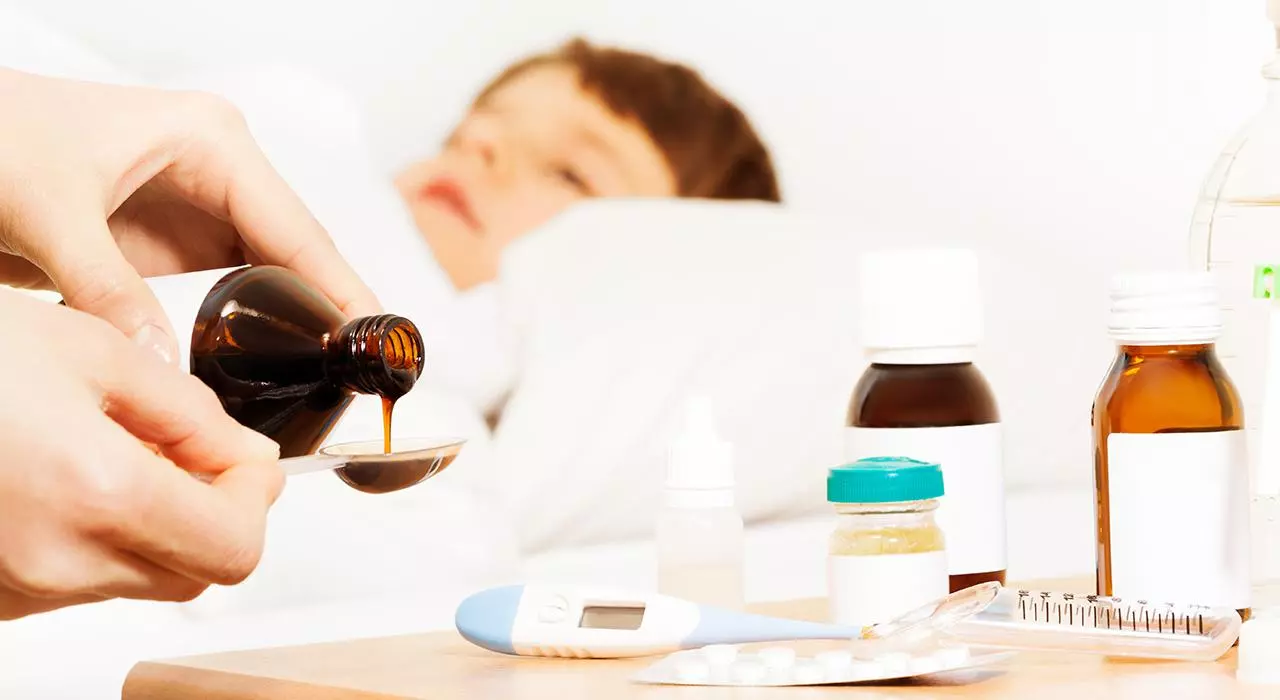
Our innovative E-learning approach allows for an immersive learning experience, providing faster integration and a much more realistic view of the content: learning from an expert"
Syllabus
The contents of this Master's Degree have been developed by the different experts of this program, with a clear purpose: to ensure that our students acquire each and every one of the necessary skills to become true experts in this field. Knowledge that will enables students to respond to each and every one of the needs of a paediatric rheumatology unit.
The content of this program will enable you to learn all aspects of the different disciplines involved in paediatric rheumatology: A complete and well-structured program that will take you to the highest standards of quality and success. The programme is put together with the participation of expert patients, which adds an original and intimate perspective, with real cases and situations that are not only clinical, but also social. It has a holistic perspective, not just a medical one, making it of interest to healthcare professionals of any kind.

A comprehensive teaching program, structured in well-developed teaching units, oriented towards learning that is compatible with your personal and professional life"
Module 1. Approach to a Child with Suspected R&MD
1.1. Medical History
1.1.1. Frequent Reasons for Consultation in Paediatric R&MDs
1.1.2. Family Medical History
1.1.3. Patient History
1.1.4. Key Questions in R&MD
1.1.5. Relevant Organs and Systems
1.1.6. Growth and Development
1.2. Effective Communication with the Child and Family
1.2.1. Effective Interviewing
1.2.2. Fears and Phobias
1.3. Examination of the Locomotor System in Paediatric Rheumatology
1.3.1. Upper Limb Examination
1.3.2. Examination of the Lower Limbs
1.3.3. Spinal Examination
1.3.4. Gait Examination
1.3.5. General Examination Adapted to Rheumatology
1.4. Complementary Tests
1.4.1. Imaging
1.4.1.1. X-rays
1.4.1.2. Ultrasound
1.4.1.3. Resonance
1.4.1.4. Others
1.4.2. Laboratory Tests
1.4.2.1. Blood Count:
1.4.2.2. Biochemistry
1.4.2.3. Reactants of the Acute Phase
1.4.2.4. Auto antibodies
1.4.2.5. Serology and Additional Testing
1.4.2.6. Microbiology
1.4.2.7. Genetic Studies
1.4.2.8. Bio-markers
1.4.3. Study of the Synovial Fluid
1.4.4. Clinical Neurophysiology
1.5. Multidisciplinary Support
1.5.1. What the Rheumatologist Does
1.5.2. What the Paediatrician Does
1.5.3. What Nurses Do
1.5.4. What the Psychologist Does
1.5.5. What a Physiotherapist Does
1.5.6. What Occupational Therapists Do
1.5.7. What Social Workers Do
1.6. What not to do
Module 2. Musculoskeletal Pain in Children and Adolescents
2.1. Understanding Pain
2.1.1. Pain Theories
2.1.2. Feeling Pain
2.1.3. Pai Pathways
2.2. Pain Assessment
2.2.1. Pain Characteristics
2.2.2. Measuring the Strength of Pain
2.2.3. Location of Pain
2.2.3.1. Knee Pain
2.2.3.2. Hip Pain
2.2.3.3. Ankle and Foot Pain
2.2.3.4. Neck pain
2.2.3.5. Back pain
2.2.3.6. Shoulder, Elbow and Wrist Pain
2.2.3.7. Generalised Pain
2.3. Musculoskeletal Pain in Children
2.3.1. Expression of Pain
2.3.2. Behaviour
2.3.3. The impact of Pain
2.3.3.1. Social Impact
2.3.3.2. Family
2.4. Pain Management
2.4.1. Pharmacological Treatment - A General Overview
2.4.2. Non-pharmacological Treatment - a General Overview
2.5. What not to do
Module 3. Musculoskeletal Disorders
3.1. Inflammatory Joint Disease
3.1.1. Monoarthritis
3.1.1.1. Most Frequent Causes
3.1.1.2. Diagnostic Approach
3.1.1.3. Therapeutic Approach
3.1.2. Oligoarthritis
3.1.2.1. Most Frequent Causes
3.1.2.2. Diagnostic Approach
3.1.2.3. Therapeutic Approach
3.1.3. Polyarthritis
3.1.3.1. Most Frequent Causes
3.1.3.2. Diagnostic Approach
3.1.3.3. Therapeutic Approach
3.2. Inflammation of the Entheses
3.2.1. Most Frequent Causes
3.2.2. Diagnostic Approach
3.2.3. Therapeutic Approach
3.3. Muscular Pathology
3.3.1. Inflammatory Myopathies
3.3.2. Non-inflammatory Myopathies
3.4. Non-inflammatory Joint Disease
3.5. Orthopaedic Pathology
3.5.1. Osteomyelitis
3.5.2. Osteoporosis
3.5.3. Tumours
3.6. What not to do
Module 4. Systemic inflammation
4.1. Systemic Symptoms of Inflammation
4.1.1. Fever
4.1.2. Constitutional Syndrome
4.1.3. Fatigue
4.2. Eye Disorders with Rheumatological Relevance
4.2.1. Anterior Uveitis
4.2.2. Intermediate Uveitis
4.2.3. Posterior Uveitis
4.2.4. Episcleritis
4.2.5. Refraction Disorders
4.3. Skin Alterations with Rheumatological Relevance
4.3.1. Psoriasis
4.3.2. Lesions Suggestive of Connectivopathies
4.3.3. Lesions Suggestive of Autoinflammatory Disease
4.4. Digestive Disorders with Rheumatological Relevance
4.4.1. Inflammatory Bowel Disease
4.4.2. Complications of Malnutrition and Malabsorption
4.5. Cardiopulmonary, Neurological and Renal Disorders
4.5.1. Cardiopulmonary Disorders
4.5.2. Neurological Disorders
4.5.3. Renal Disorders
4.6. What not to do
Module 5. Other Musculoskeletal Symptoms
5.1. Gait Alteration
5.1.1. Movement Analysis
5.1.2. Limping
5.1.3. Converging and Diverging Gait
5.2. Hyperlaxity
5.2.1. Frequency
5.2.2. Assessment
5.2.3. Management
5.3. Angular and Torsional Deformities in Children
5.3.1. Scoliosis
5.3.2. Joint Contractures and Joint Retraction
5.3.2.1. Infantile Valgus Flatfoot and Forefoot Deformities
5.3.2.2. Clubfoot
5.3.3. Pathology of the Growing Hip
5.3.3.1. Hip Dysplasia
5.3.3.2. Perthes' Disease, Epiphysiolysis Capitisfemoris
5.4. Discrepancy in Length of Limbs
5.4.1. Frequency
5.4.2. Assessment
5.4.3. Management
5.5. Sports Injuries
5.5.1. Frequency
5.5.2. Assessment
5.5.3. Management
5.6. What not to do
Module 6. Pharmacological Treatment in Paediatric Rheumatology
6.1. Symptomatic Treatments
6.1.1. Analgesics
6.1.2. Anti-inflammatories
6.1.3. Opioids
6.1.4. Antiepileptics
6.1.5. Antidepressants
6.2. Targeted Treatments
6.2.1. Disease-modifying Drugs
6.2.2. Biological Evidence
6.2.3. Biosimilars
6.2.4. Small Molecules
6.3. Day-to-Day Treatment
6.3.1. Storage of Medical Treatments, Travel
6.3.2. Complications and Adverse Effects
6.4. What not to do
Module 7. Non-pharmacological Treatment and Psychosocial Support
7.1. Exercise and Physical Activity in Children
7.1.1. Exercise, Physical Activity, Sports
7.1.2. Exercise Guidelines for Children with R&MD
7.2. Rehabilitation
7.2.1. Splints and Braces
7.2.2. Physical Therapies for Children
7.3. Orthopaedic Surgery
7.3.1. Special Features of Immature Bones and the Growing Skeleton
7.3.2. Childhood Fractures
7.3.2.1. Most Common Traumatic Fractures and Traumatic Epiphysiolysis
7.3.2.2. Standard Techniques for Osteosynthesis in Children
7.3.3. Management of Locomotive Apparatus Infections in Children
7.3.4. Surgery for Spinal Deformities in the Growing Spine
7.3.5. Pelvic and Upper Extremity Femoral Osteotomies
7.4. Nutritional Advice
7.4.1. Obesity
7.4.2. Malnutrition
7.4.3. Supplements
7.5. Psychological Approach to Paediatric R&MDs
7.5.1. Fears, Phobias and Anxieties
7.5.2. Generalised Anxiety Disorder and Panic Disorder
7.5.3. Depression in Childhood and Adolescence
7.5.4. Sleep Disorders
7.5.5. Eating Disorders
7.5.6. Antisocial Disorders
7.5.7. Learning Disabilities
7.5.8. Training for Parents of Children with R&MD
7.5.9. Family Behavioural Intervention
7.6. Occupational Intervention
7.6.1. Occupational Schedules
7.6.2. Games as Therapy
7.6.3. Assistive Devices
7.7. What not to do
Module 8. Preventive Activities
8.1. Vaccines
8.1.1. Official Vaccination - Special Points to Bear in Mind
8.1.2. Extra Vaccination According to Diseases and Treatments
8.2. Chemoprophylaxis
8.2.1. What to Do in the Event of Surgery
8.2.2. What to do about Inter Current Infections
8.3. Tuberculosis Screening
8.3.1. For Whom
8.3.2. Available Testing
8.3.3. What to Do in Case of a Positive Test Result
8.4. Osteoporosis Screening for Children
8.4.1. For Whom
8.4.2. Available Testing
8.4.3. What to Do in Case of a Positive Test Result
8.5. Adaptation to the School Environment and Activities of Daily Living
8.5.1. Adaptation to the School Environment
8.5.2. Daily Living Activities
8.5.3. Sibling syndrome
8.6. Comorbidity Detection
8.6.1. Hearing impairment
8.6.2. Attention and Concentration Deficits
8.6.3. Voice Problems
8.7. What not to do
Module 9. Transition to Adulthood with Juvenile-Onset R&MD
9.1. Accessing Transition Services and Initiating the Process
9.1.1. Definition of Transition Services
9.1.2. Transition as a Mobile Objective
9.2. Transition Policies
9.2.1. Recommendations by the Spanish Group on Transition in R&MD
9.2.2. EULAR Recommendations on Transition in R&MD
9.3. Documentation of Transition and Transfer Processes
9.3.1. What Should be Documented in Transitions
9.3.2. How to Document Transfers
9.4. The HEADSS Strategy
9.4.1. Definition
9.4.2. Application
9.5. Adapting Services to Adolescents
9.5.1. Adapting Language and Communication
9.5.2. How to Transfer Responsibility
9.6. Peer-to-Peer Communication
9.6.1. Communication Between Adolescents
9.6.2. Communication Between Professionals
9.7. What not to do
Module 10. "Wiki" of Diseases (Resources to which all Modules are Directed)
10.1. Juvenile Idiopathic Arthritis
10.1.1. Uveitis Associated with Juvenile Idiopathic Arthritis
10.1.2. Macrophage Activation Syndrome
10.2. Pain Amplification Syndromes
10.2.1. Juvenile Fibromyalgia
10.2.2. Complex Regional Pain Syndrome
10.3. Chronic Musculoskeletal Pain
10.3.1. Growing Pains
10.3.2. Osteochondrosis
10.3.3. Benign Generalised Joint Hyperlaxity
10.4. Vasculitis
10.4.1. Henoch-Schönlein Purpura
10.4.2. Kawasaki’s Disease
10.4.3. Wegener's Granulomatosis, Takayasu's Arteritis, Churg-Strauss Syndrome and Other Vasculitis
10.5. Connectivopathies
10.5.1. Systemic Lupus Erythematosus
10.5.2. Sjögren's Syndrome
10.5.3. MCTD
10.5.4. Antiphospholipid Syndrome
10.5.5. Idiopathic Inflammatory Myopathy
10.5.5.1. Juvenile Dermatomyositis
10.5.6. Scleroderma
10.5.6.1. Localised Scleroderma
10.5.6.2. Systemic Sclerosis
10.6. Lysosomal Metabolic Diseases
10.7. Bone Diseases
10.7.1. Infantile Osteoporosis
10.7.2. Colagenosis
10.7.2.1. Stickler’s Disease
10.7.2.2. Marfan, Ehler-Danlos Syndromes
10.8. Autoinflammatory Disorders
10.8.1. PFAPA Syndrome
10.8.2. Hereditary Relapsing Fever Disorders
10.8.3. Other Autoinflammatory Disorders
10.9. Osteoarticular Infections
10.10. Rheumatic Fever and Post-streptococcal Arthritis
10.11. How Diseases are Classified

A unique, key, and decisive Training experience to boost your professional development”
Master's Degree in Updating in Pediatric Rheumatology
Although it is considered that rheumatic diseases such as osteoarthritis, fibromyalgia or low back pain are not so recurrent in children, the truth is that in particular cases where such pathophysiological disorders are present, their severity is much greater than in adults. This aspect makes it necessary to reinforce medical skills in order to provide the best possible treatment. With this in mind, TECH Global University offers its Master's Degree in Pediatric Rheumatology Update, a remarkably useful postgraduate course that covers, through ten thematic modules, all the necessary aspects to address patients diagnosed with rheumatologic and musculoskeletal diseases (ERyME); from the primary approach when the symptomatology in question is incipient, through musculoskeletal pain in early ages and systemic inflammation, to pharmacological treatment. The plus of this training is that it is 100% online, so the lack of time will not be an impediment to optimize your curriculum and you will be able to have full autonomy in schedules and intensity. If your aspiration is to stand out as a doctor, you have come to the right place.
Updating your knowledge in pediatric rheumatology
Between the first months of life and puberty, a process occurs that is fundamental for the optimal development of the locomotor system in the child: ossification; whether it is intramembranous or endochondral, its field of action is responsible for the joints and bones in general to reach maturity. This ossamenta in full development can therefore be more vulnerable to rheumatic diseases if it is not properly diagnosed for joint pain. Certain disorders such as posterior uveitis, psoriasis or nutritional malabsorption, which are apparently unrelated to bone disorders, can have rheumatological connotations. How can these pathologies be elucidated? That is why our Master's Degree exists. Not only will we enhance your ability to assess the patient, but we will also instruct you in other musculoskeletal symptoms such as hyperlaxity, scoliosis or hip dysplasia. All of this is enhanced by flexible classes, interactive multimedia material and a faculty that uses innovative teaching methodologies. Take your career to another level of professionalism with TECH.