
University certificate







The world's largest faculty of veterinary medicine”
Introduction to the Program
Avian patients have specific pathologies for which specialized veterinary professionals are needed”
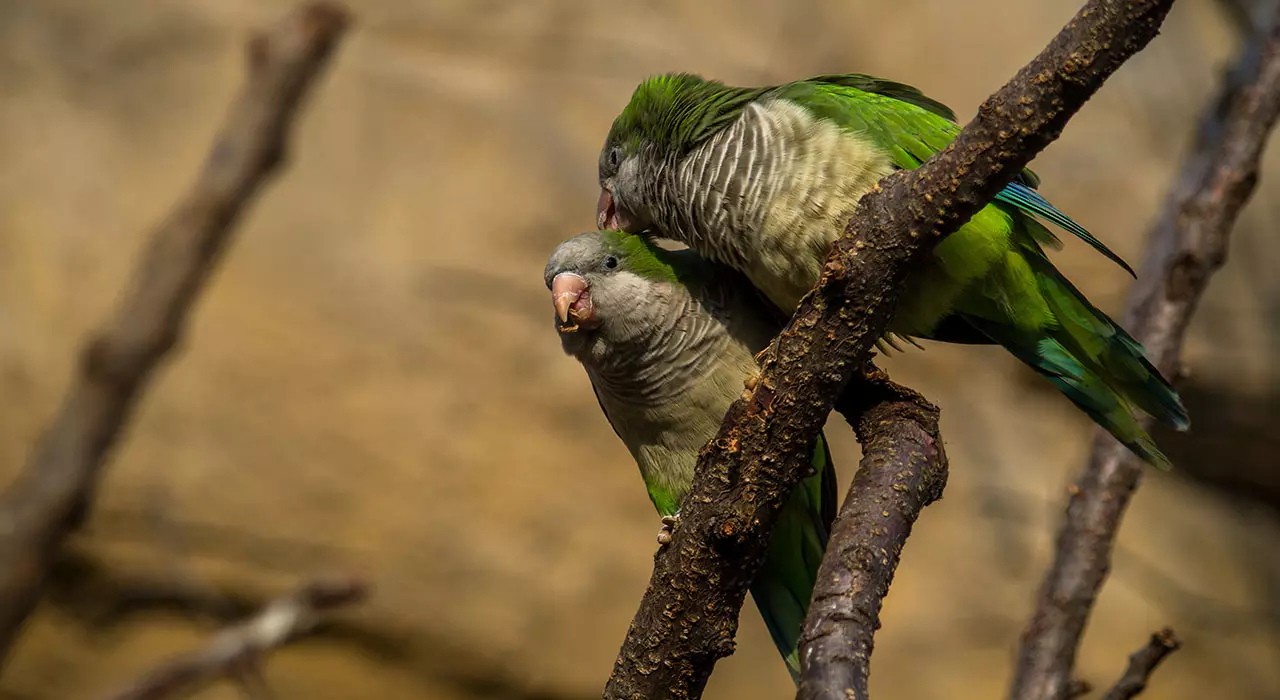
Veterinarians face great professional challenges in their daily practice to improve the health of their patients, especially when dealing with avian species, since the study of these animals is not carried out in as much depth as that of domestic animals, for example. This Postgraduate Diploma in Maintenance, Nutritional Requirements and Diagnostic Techniques in Birds has been designed by a team of professionals of the highest academic level, who have injected all their knowledge in the field to train veterinarians.
In the case of avian patients, veterinarians must know their physiognomy and anatomy, including the morphological variations of each species of bird. Thus, physical examination is a fundamental part of the diagnosis of avian disorders and it involves handling and holding the bird in order to carry out the necessary explorations to care for it. However, even before taking a bird for handling, there are some very important prerequisites to consider.
This Postgraduate Diploma also deals in depth with captive birds, which depend on the care provided to them for food, shelter and security, hence the importance of understanding the nutritional requirements of each species, existing types of nutrition and developing the appropriate diets for each of them.
Finally, an important part of this training is the study of diagnostic techniques in birds to advance scientific evidence and knowledge, optimizing economic resources and time spent for early treatment.
In routine clinical practice, complementary diagnostic techniques are usually used, many of them based on image diagnosis, such as radiology, endoscopy and ultrasound, without going further into the rest of the available and necessary tests.
In short, this training provides students with specific tools and skills to successfully develop their professional activity in the wide field of avian medicine and surgery. It addresses key competencies such as knowledge of the reality and daily practice of the veterinary professional, and develops responsibility in the monitoring and supervision of their work, as well as communication skills within the essential teamwork.
As it is an online Postgraduate Diploma, students are not constrained by fixed timetables or the need to commute to a physical location, but can access the contents at any time of the day, balancing their work or personal life with their academic life.
Do not miss the opportunity to study this Postgraduate Diploma with us. It’s the perfect opportunity to advance your career”
This Postgraduate diploma in Maintenance, Nutritional Requirements and Diagnostic Techniques in Birds contains the most complete and up-to-date educational program on the market. The most important features of the program include:
- Practical cases presented by experts in avian medicine
- The graphic, schematic, and eminently practical contents with which they are created, provide scientific and practical information on the disciplines that are essential for professional practice
- Latest developments in maintenance, nutritional requirements and diagnostic techniques in birds
- Practical exercises where the self-assessment process can be carried out to improve learning
- Special emphasis on innovative methodologies in avian medicine
- Theoretical lessons, questions to the expert, debate forums on controversial topics, and individual reflection assignments
- Content that is accessible from any fixed or portable device with an Internet connection
This Postgraduate diploma is the best investment you can make when choosing a refresher program to expand your existing knowledge of the subject matter”
IIts teaching staff includes professionals from the veterinary field, who bring the experience of their work to this training, as well as recognized specialists from leading societies and prestigious universities.
The multimedia content, developed with the latest educational technology, will provide the professional with situated and contextual learning, i.e., a simulated environment that will provide immersive training programmed to train in real situations.
The design of this program focuses on Problem-Based Learning, by means of which the specialist must try to solve the different professional practice situations that arise throughout the Postgraduate diploma. For this purpose, the professional will be assisted by an innovative interactive video system created by renowned and experienced experts in Maintenance, Nutritional Requirements and Diagnostic Techniques in Birds with extensive experience.
This program comes with the best didactic material, providing you with a contextual approach that will facilitate your learning"
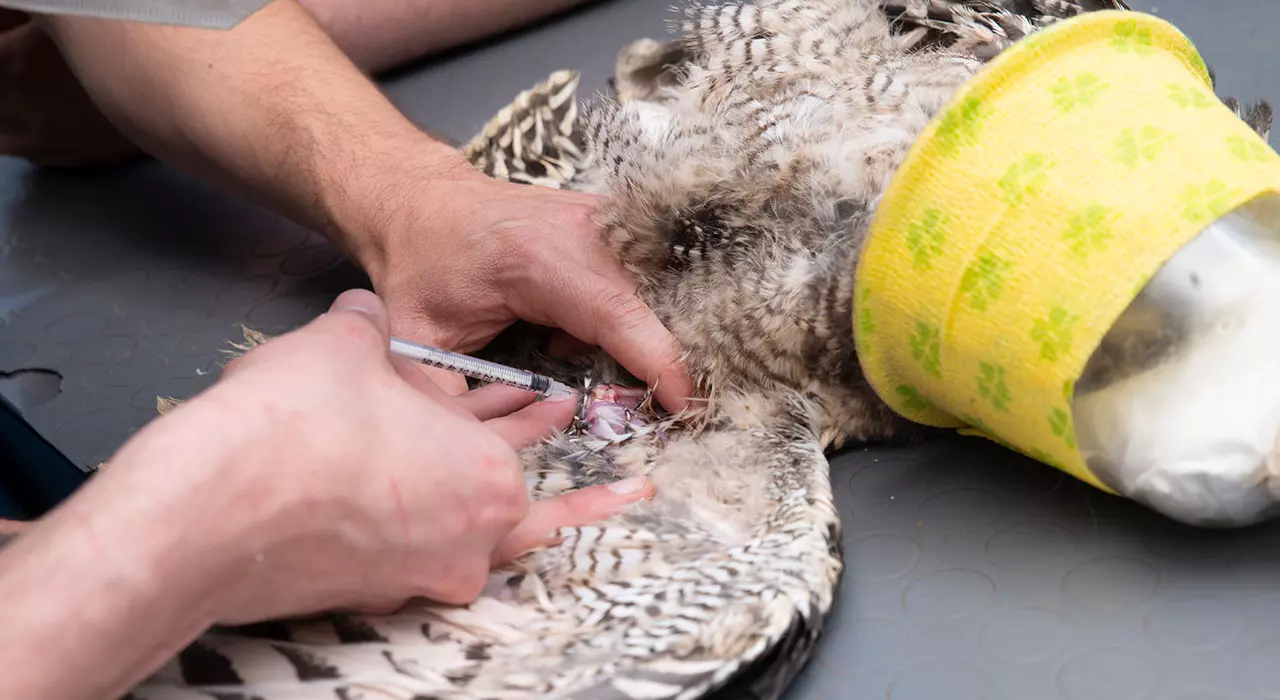
This 100% online Postgraduate diploma will allow you toa balance your studies with your professional work while expanding your knowledge in the field"
Syllabus
The content structure has been designed by the best professionals in Avian Medicine and Surgery, with extensive experience and recognized prestige in the profession, backed by the volume of cases reviewed, studied, and diagnosed, with extensive knowledge of new technologies applied to veterinary.
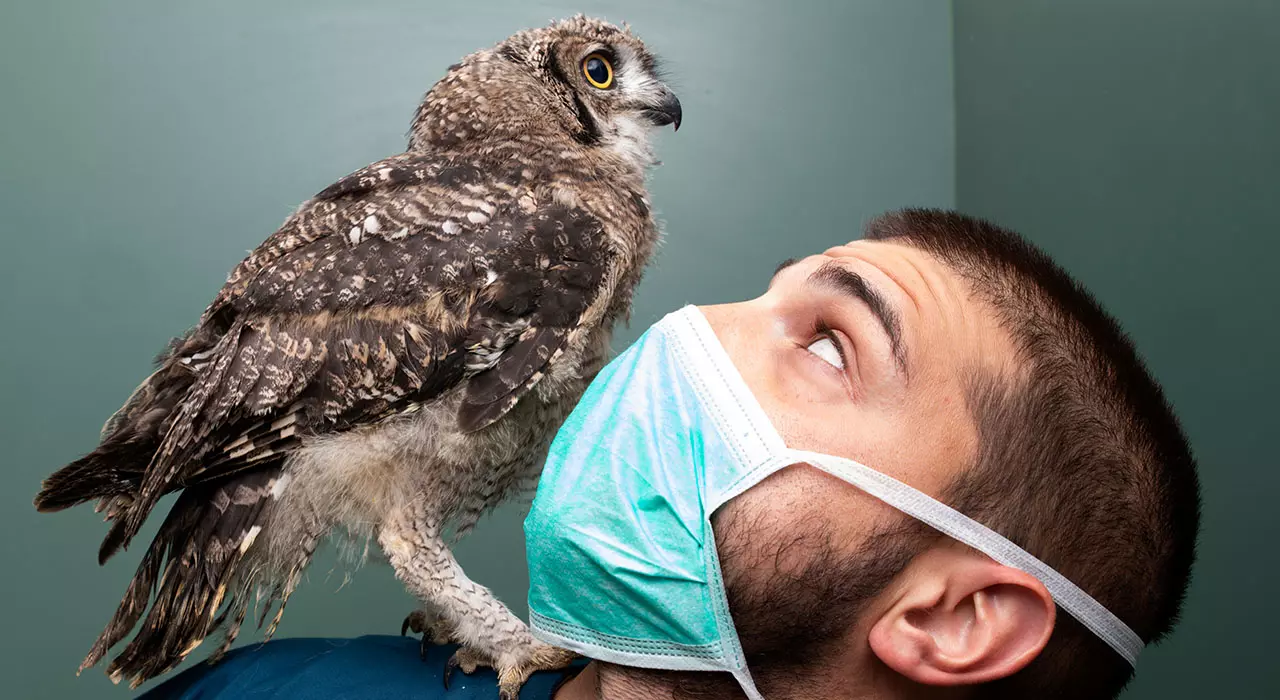
We have the most complete and up-to-date academic program in the market. We strive for excellence and for you to achieve it too"
Module 1. Avian Taxonomy, Anatomy and Physiology
1.1. Taxonomic Classification of Psittaciformes
1.1.1. Taxonomic Classification
1.1.2. Global Spread
1.1.3. Anatomic Differences
1.2. Taxonomic Classification of Passerine Birds: Wild Birds
1.2.1. Taxonomic Classification
1.2.2. Global Spread
1.2.3. Anatomic Differences
1.3. Taxonomic Classification of Falconiformes and Other Orders
1.3.1. Taxonomic Classification
1.3.2. Global Spread
1.3.3. Anatomic Differences
1.4. The Skeletal System
1.4.1. Bone Ossification
1.4.2. The Skull
1.4.2.1. The Premaxillary Area
1.4.2.2. The Jaw
1.4.3. The Axillary Skeleton: The Epiaxial Hypoaxial Muscles
1.4.3.1. Cervical Vertebrae
1.4.3.2. Thoracic Vertebrae
1.4.3.3. The Synsacrum: Special Anatomy
1.4.3.4. Caudal Vertebrae
1.4.3.5. Sternum
1.4.3.6. Wings: Complete Anatomy and Flight Muscles
1.4.4. Pelvic Limbs
1.4.4.1. Femur and Tibiotarsus
1.4.4.2. Phalanges: Finger Placement in Different Species
1.5. The Circulatory System
1.5.1. Arterial Anatomy
1.5.2. Venous Return
1.5.3. The Renal Carrier System
1.5.4. Blood Composition: Nucleated Red Blood Cells
1.6. The Respiratory System
1.6.1. The Nasal Cavity
1.6.2. Larynx and Trachea
1.6.3. The Syrinx: The Phonatory Organ in Birds
1.6.4. The Lungs
1.6.4.1. Gas Exchange
1.6.5. Air Sacs
1.7. The Digestive System
1.7.1. Beaks: Substitute for Lips and Teeth in Mammals
1.7.1.1. Wax Localization
1.7.1.2. Beak Functions
1.7.2. The Oropharynx
1.7.2.1. Solid Food Intake
1.7.2.2. Liquid Foods
1.7.3. The Esophagus
1.7.4. The Stomach
1.7.4.1. Proventricles
1.7.4.2. Ventricles
1.7.5. The Liver
1.7.6. The Pancreas
1.7.7. The Intestinal Package
1.8. The Urinary and Reproductive Systems
1.8.1. The Kidneys
1.8.2. The Ureters
1.8.3. Particularities in the Urinary System: The Salt Gland
1.8.4. Bird Sexing
1.8.5. Male Reproductive System
1.8.6. Female Reproductive System
1.9. The Nervous System
1.9.1. Sense Organs
1.9.2. Sight: Avian Eye Anatomy
1.9.3. Hearing
1.9.4. Smell and Taste
1.9.5. Touch: The Tegument
1.10. Anatomical and Physiological Particularities in Birds
1.10.1. The Thymus Gland
1.10.2. The Fabricious Bursa
1.10.3. The Spleen
1.10.4. The Pituitary Gland Hypophysis
1.10.5. Thyroid and Parathyroid Gland
1.10.6. Other Particularities
Module 2. Clinical Criteria for Avian Patients
2.1. Bird Maintenance
2.1.1. Special Furniture: Types of Cages
2.1.2. Stress
2.1.3. Physical exercise
2.1.4. Bird Maintenance in Captivity
2.1.5. Ultraviolet Light
2.1.6. Feathers Coloring
2.1.7. Water Availability
2.1.8. Medication Added to the Water
2.1.9. Water Baths and Sprays
2.2. Capture: Proper Physical Examination
2.2.1. Physical Capture
2.2.1.1. Capture Techniques
2.2.1.2. Related Injuries
2.2.2. Chemical Capture
2.2.2.1. Capture Techniques
2.2.2.2. Drugs Used
2.2.3. Bird Containment
2.3. Clinical Management and Preventive Medicine
2.3.1. Complete and Orderly Physical Examination
2.3.2. Vaccination
2.3.3. Deworming
2.3.4. Sterilization
2.4. Sampling and Drug Administration
2.4.1. Intravenous Route
2.4.2. Intraosseous Route
2.4.3. Oral Posology
2.4.4. Intramuscular Route
2.4.5. Subcutaneous Route
2.4.6. Topical Route
2.4.7. Other Entry Routes in Avian Patients
2.5. Poultry as Patients
2.5.1. The Challenges of Keeping Hens as Pets
2.5.2. Hens as Patients
2.5.3. The Most Common Chicken and Hen Races
2.6. Nutritional Requirements: Diet
2.6.1. Feeding Guidelines
2.6.2. Nutritional Composition Feed
2.6.2.1. Carbohydrates
2.6.2.2. Proteins
2.6.2.3. Fats
2.6.2.4. Vitamins
2.6.2.4.1. Liposoluble Vitamins
2.6.2.4.2. Hydrosoluble Vitamins
2.6.2.4.3. Antivitamins
2.6.2.5. Minerals
2.7. Type of Nutrition in Psittacine Birds
2.7.1. Seed Mixture
2.7.2. Feed
2.7.2.1. Differences Between Granulated and Extruded
2.7.3. Fruits and Vegetables
2.7.4. Germinated Seeds
2.7.5. Cooked Legumes
2.7.6. Breeding Paste
2.7.6.1. Desired Undesired Effects
2.7.7. Other Products
2.7.8. Calculating Energy Needs
2.7.8.1. Basal Metabolic Rate (BMR)
2.7.8.2. Maintenance Energy Requirements (MER)
2.8. Generalized Diet for the Most Common Psittacines in Clinics
2.8.1. Australian Parakeet (Melopsittacus Undulattus)
2.8.2. Nymph, Cocotilla or Carolina (Nymphicus Hollandicus)
2.8.3. Lovebirds (Agapornis Spp)
2.8.4. African Grey Parrot, Yaco (Psithacus Erithacus)
2.9. Generalized Diet for the Least Common Psittacines in Clinics
2.9.1. Amazon Parrot (Amazona Sp)
2.9.2. Macaw (Ara Sp)
2.9.3. Cockatoo (Cacatua Sp)
2.9.4. Ecleptus Parrot (Ecleptus Roratus)
2.9.5. Loris
2.9.6. Psittacine Diet Conversion
2.10. Other Dietary Aspects
2.10.1. Diet in Passerine Birds
2.10.2. Diet in Other Birds
2.10.3. Diet in Hospitalized Patients
Module 3. Laboratory Tests
3.1. Clinical and Diagnostic Techniques: General Principles Diagnostic Evidence
3.1.1. Accurate Diagnoses
3.1.2. Considerations for Sample Preparation
3.1.3. Sample Transport and Processing
3.2. Hematology: An Essential Tool
3.2.1. Cell Morphology
3.2.1.1. The Red Series in Blood
3.2.1.2. The White Series in Blood
3.3. Biochemical Analysis in Birds
3.3.1. Biochemical Reference Ranges
3.3.2. Most Used Profiles
3.3.2.1. Total Protein: Increase and Decrease
3.3.2.2. Glucose: Increase and Decrease
3.3.2.3. Uric Acid, Urea and Creatinine
3.3.2.4. Lactate Dehydrogenase (LDH)
3.3.2.5. Serum Glutamic-Oxaloacetic Transaminase (SGOT)
3.3.2.6. Bile Acids
3.3.2.7. Creatine-Phosphokinase (CPK): Muscle or Heart Failure
3.3.2.8. Calcium: Hypercalcemia Hypocalcemia
3.3.2.9. Phosphorus
3.3.2.10. Cholesterol
3.3.3. Age-Related Biochemical Changes
3.3.3.1. Proteinogram as a Diagnostic Tool
3.3.3.2. The Albumin
3.3.3.3. Alpha-1: Acute Disease Phase Indicator
3.3.3.4. Alpha-2: Acute Disease Phase Proteins
3.3.3.5. The Beta Fraction
3.3.3.6. The Gamma Fraction
3.4. Urinalysis: Suspected Nephropathy
3.4.1. Anatomo-physiological Recap of the Urinary System
3.4.2. Urine Collection Techniques in Birds
3.4.3. Urinalysis
3.4.4. Urinalysis Parameters
3.5. Fundamental Cytological Techniques: Cell Study
3.5.1. Skin and Plumage Scrapings
3.5.1.1. How to Perform Superficial Scrapings
3.5.1.2. How to Perform Deep Scrapings
3.5.2. Biopsy Collection
3.5.2.1. Different Application Techniques
3.5.2.2. Skin Biopsies
3.5.2.3. Skeletal Injury Biopsies
3.5.2.4. Small Biopsies Organs and Masses
3.5.2.5. Chronic Injury Biopsies
3.5.2.6. Biopsies of Small Lesions and Masses
3.5.3. Cytology: Functions
3.5.3.1. Sample Collection and Processing
3.5.3.2. Key Points Cytologic Interpretations
3.6. Advanced Cytologic Techniques
3.6.1. Aspiration
3.6.1.1. Complementary Tests
3.6.1.2. Aspiration Methods
3.6.2. Microbiological Swabs Collection
3.6.2.1. Upper Respiratory Routes
3.6.2.2. Lower Gastrointestinal Tract
3.6.3. Washing Technique
3.6.3.1. Crop Washing
3.6.3.2. Air Sac Washing
3.7. Preparing for a Necropsy
3.7.1. Fundamental Aspects
3.7.1.1. Necropsies
3.7.1.2. The Importance of Anamneses and Patient Medical Histories
3.7.2. Necessary Equipment: Instruments
3.7.3. Selecting Tissues in Necropsy Cases
3.7.4. Samples Preservation for Diagnostic Studies
3.7.5. Records: Injuries and Findings
3.8. External Patient Evaluation in Postmortem Examinations
3.8.1. Skin and Appendages: Evidence of Trauma
3.8.2. The Skeletal System
3.8.3. The Sensory System
3.8.4. The Muscle System: Initial Examination
3.9. Internal Patient Evaluation in Postmortem Examinations
3.9.1. The Cardiorespiratory and Cardiovascular Systems
3.9.2. The Lymphoreticular System
3.9.3. The Liver
3.9.4. The Digestive system
3.9.5. Urinary System Assessment
3.9.6. Reproductive System Analysis
3.9.6.1. Necropsy in Females
3.9.6.2. Necropsy in Males
3.9.7. Necropsy Evaluation of the Nervous System
3.9.8. Examination Conclusion
3.10. Diagnostic Procedures for the Necropsy Technique
3.10.1. Histopathological Examination of Collected Samples
3.10.1.1. Sample Collection
3.10.2. Microbiological Analysis
3.10.2.1. Swabbing Technique
3.10.3. Polymerase Chain Reaction (PCR)
3.10.3.1. Infectious Laryngotracheitis
3.10.3.2. Infectious Bronchitis
3.10.3.3. Poxvirus
3.10.3.4. Mycoplasma Gallisepticum, Mycoplasma Synoviae
3.10.3.5. Other diseases
Module 4. Diagnostic Imaging Techniques
4.1. When to Anesthetize Birds for Diagnostic Techniques
4.1.1. Volatile Anesthesia
4.1.2. Injectable Anesthesia
4.1.3. Anesthesia in Special Conditions
4.2. Necessary Radiology Equipment
4.2.1. General Considerations
4.2.2. The X-Ray Unit
4.2.3. Screens, Chassis and Foils
4.3. The Patient: Restraining and Positioning
4.3.1. Laterolateral Projection
4.3.2. Ventrodorsal Projection
4.3.3. Craniocaudal Projection
4.3.4. Wing Projection
4.3.5. Caudoplantar Projection
4.4. Types of X-Rays: Contrast Radiography Studies
4.4.1. Conventional Radiography
4.4.2. Gastrointestinal Contrast Studies
4.4.3. Respiratory Contrast Studies
4.4.4. Urography
4.4.5. Myelography
4.5. Radiologic Interpretations
4.5.1. Anatomy Applied to Radiography
4.5.2. Abnormal Radiographic Findings the Respiratory System
4.5.3. Abnormal Radiographic Findings the Digestive System
4.5.4. Abnormal Radiographic Findings the Skeletal System
4.6. Fundamental Aspects of Avian Ultrasound
4.6.1. The Complete Ultrasound Diagnosis
4.6.1.1. Lineal Convex, Microconvex and Phased Array Probes
4.6.1.2. Ultrasound
4.6.2. Specific Diagnostic Objectives in Birds and Limitations
4.6.3. }Necessary Technical Equipment for Ultrasound
4.7. Advanced Criteria for Avian Ultrasound
4.7.1. Patient Preparation for Ultrasound
4.7.2. Applied Anatomical Recap and Proper Patient Positioning
4.7.3. Ultrasound Interpretations
4.8. Endoscopy
4.8.1. Endoscopy
4.8.1.1. Necessary Equipment for Endoscopy
4.8.1.2. Rigid Endoscope
4.8.2. Patient Preparation and Positioning for Endoscopy
4.8.3. Clinical and Surgical Application of Avian Ultrasound
4.9. Avian Cardiology: Basic Fundamentals
4.9.1. Cardiac System Anatomy in Birds
4.9.2. Clinical Examination in Birds
4.9.3. Avian Electrocardiography
4.10. Veterinary Clinical Analysis in Birds
4.10.1. Serotyping Major Diseases
4.10.1.1. Salmonella Spp
4.10.2. Coprological Analysis
4.10.2.1. Parasitology
4.10.2.2. Bacteriology
4.10.3. Serology of the Most Prominent Diseases in Avian Medicine
4.10.3.1. Infectious Laryngotracheitis
4.10.3.2. Infectious Bronchitis
4.10.3.3. Newcastle Disease
4.10.3.4. Mycoplasma Spp
4.10.3.5. Avian Influenzar
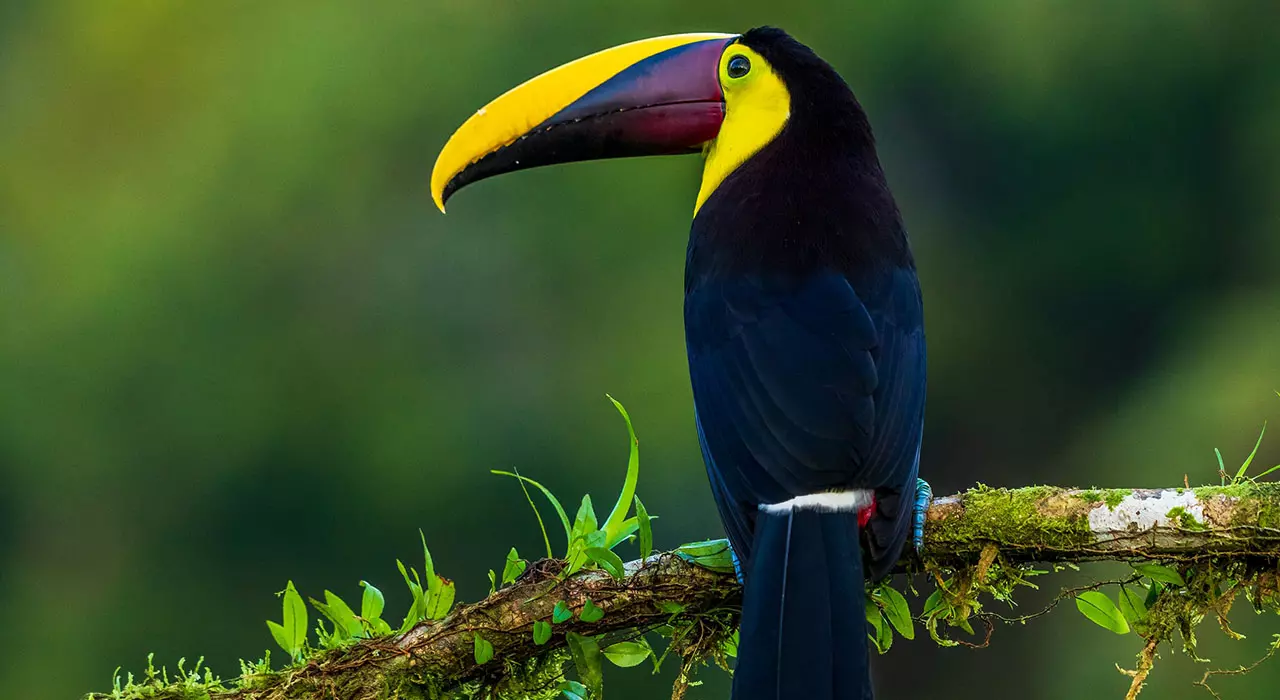
This training will allow you to seamlessly advance in your career"
Postgraduate Diploma in Poultry Maintenance, Nutritional Requirements and Diagnostic Techniques
If you have a passion for poultry care and want to become an expert in poultry maintenance, nutritional requirements and diagnostic techniques, TECH Global University's Postgraduate Diploma is the ideal program for you. For 6 months, our online classes will provide you with the knowledge and skills necessary to excel in this specialized field. We pride ourselves in offering high quality academic programs that are tailored to the needs of professionals. Our educational program is delivered in an online format, allowing you to study from anywhere and at your own pace. You will immerse yourself in the fascinating world of birds and learn about their proper maintenance, specific nutritional requirements and diagnostic techniques used in their care. Our team of experts will guide you through interactive lectures, real-world case studies and hands-on activities to give you a thorough understanding of these key areas.
Acquire specialized knowledge in poultry maintenance, nutrition and diagnostics.
During the program, you will learn how to design and maintain a suitable environment for birds, provide them with a balanced diet and assess their health status using advanced diagnostic techniques. Our approach will allow you to develop field-applicable skills, giving you a solid foundation for working in the care and management of birds in different environments, such as zoos, nature reserves or rescue centers. At the end of the program, you will be prepared to meet the challenges of bird care and contribute to the well-being of birds in any environment. You will earn a certificate, backed by our reputation as a leading institution in higher education. Don't miss the opportunity to become an expert in bird care. Enroll and take the first step towards a successful career in this exciting field - your passion for birds can become a rewarding and enriching profession!