
University certificate







The world's largest faculty of veterinary medicine”
Introduction to the Program
Fórmate con nosotros y da un impulso a tu profesión ampliando tus conocimientos sobre las aves”
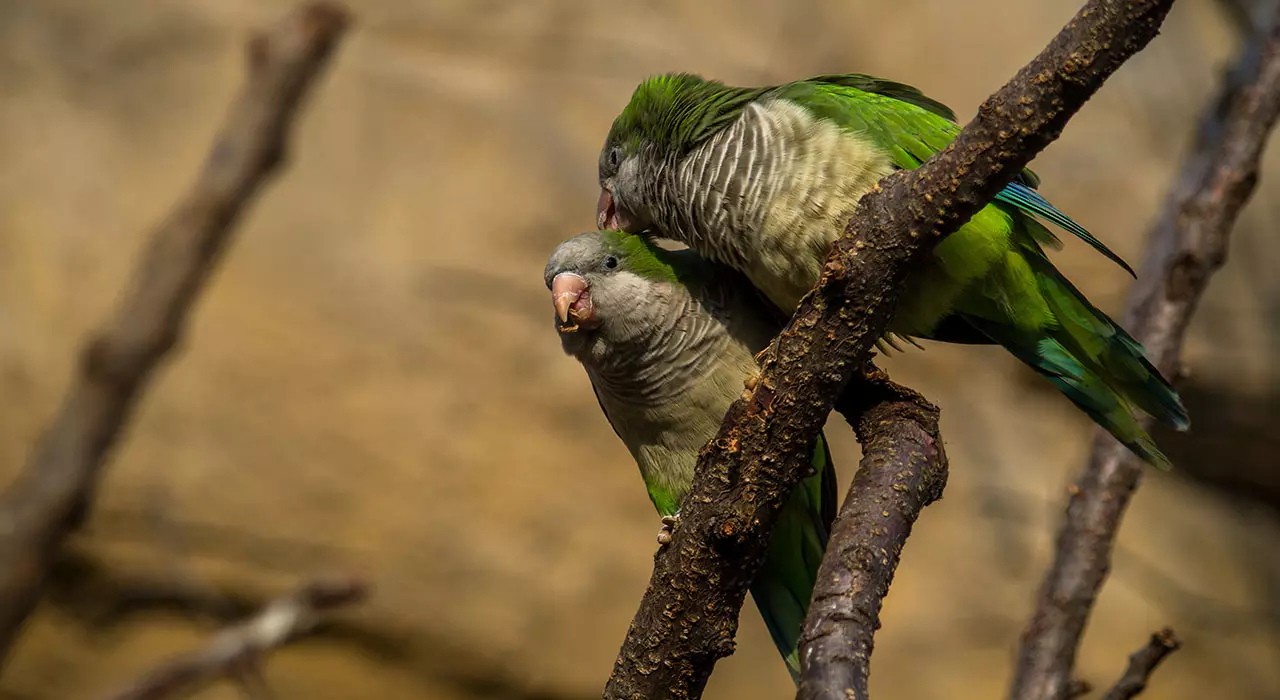
Los veterinarios se enfrentan, en su práctica diaria, a grandes retos profesionales para lograr mejorar la salud de sus pacientes, sobre todo, cuando se trata de especies aviares, debido a que el estudio de estos animales no se realiza con tanta profundidad como el de los animales domésticos, por ejemplo. Esta Postgraduate diploma en Maintenance, Nutritional Requirements and Diagnostic Techniques in Birds ha sido diseñado por un equipo de profesionales, de altísimo nivel académico, que ha plasmado en esta capacitación todos sus conocimientos en la materia para capacitar a los veterinarios en este ámbito de actuación.
Y es que, en el caso del paciente aviar, el veterinario debe conocer su fisionomía y anatomía, incluyendo las variaciones morfológicas de cada especie de ave. Así, la exploración física es una parte fundamental del diagnóstico de los trastornos de las aves e implica manejar y sujetar al ave con el fin de poder realizar las investigaciones necesarias para ayudarle. Sin embargo, incluso antes de coger un ave para manipularla, hay que tener en cuenta unos requisitos previos muy importantes.
Esta Postgraduate diploma también trata en profundidad sobre las aves cautivas, que dependen de los cuidados que se les proporcionan para obtener alimento, refugio y seguridad, de ahí la importancia de comprender los requisitos nutricionales de cada especie, tipos de nutrición existentes y desarrollar las dietas indicadas para cada una de ellas.
Por último, una parte importante de esta capacitación, es el estudio de las técnicas de diagnóstico en las aves para lograr un resultado orientado a la búsqueda de evidencias científicas, optimizando los recursos económicos y el tiempo empleado para lograr un tratamiento precoz.
En la clínica rutinaria se suelen emplear técnicas diagnósticas complementarias, muchas de ellas basadas en el diagnóstico por imagen, como la radiología, endoscopia y ecografía, sin avanzar más allá en el resto de pruebas disponibles y necesarias.
En definitiva, esta capacitación proporciona al alumno herramientas y habilidades específicas para que desarrolle con éxito su actividad profesional en el amplio entorno de la medicina y cirugía de aves. Trabaja competencias clave como el conocimiento de la realidad y práctica diaria del profesional veterinario, y desarrolla la responsabilidad en el seguimiento y supervisión de su trabajo, así como habilidades de comunicación dentro del imprescindible trabajo en equipo.
Además, al tratarse de una Postgraduate diploma online, el alumno no está condicionado por horarios fijos ni necesidad de trasladarse a otro lugar físico, sino que puede acceder a los contenidos en cualquier momento del día, equilibrando su vida laboral o personal con la académica.
No dejes pasar la ocasión de realizar con nosotros esta Postgraduate diploma. Es la oportunidad perfecta para avanzar en tu carrera”
Esta Postgraduate diploma en Maintenance, Nutritional Requirements and Diagnostic Techniques in Birds contiene el programa educativo más completo y actualizado del mercado. Las características más destacadas de la capacitación son:
- El desarrollo de casos prácticos presentados por expertos en medicina de aves
- Los contenidos gráficos, esquemáticos y eminentemente prácticos con los que están concebidos recogen una información científica y práctica sobre aquellas disciplinas indispensables para el ejercicio profesional
- Las novedades sobre el mantenimiento, los requisitos nutricionales y las técnicas de diagnóstico en las aves
- Los ejercicios prácticos donde realizar el proceso de autoevaluación para mejorar el aprendizaje
- Su especial hincapié en metodologías innovadoras en medicina de aves
- Las lecciones teóricas, preguntas al experto, foros de discusión de temas controvertidos y trabajos de reflexión individual
- La disponibilidad de acceso a los contenidos desde cualquier dispositivo fijo o portátil con conexión a internet
Esta Postgraduate diploma es la mejor inversión que puedes hacer en la selección de un programa de actualización para poner al día tus conocimientos en la materia”
Incluye en su cuadro docente a profesionales pertenecientes al ámbito veterinario, que vierten en esta capacitación la experiencia de su trabajo, además de reconocidos especialistas de sociedades de referencia y universidades de prestigio.
Su contenido multimedia, elaborado con la última tecnología educativa, permitirá al profesional un aprendizaje situado y contextual, es decir, un entorno simulado que proporcionará una capacitación inmersiva programada para entrenarse ante situaciones reales.
El diseño de este programa se centra en el Aprendizaje Basado en Problemas, mediante el cual el especialista deberá tratar de resolver las distintas situaciones de práctica profesional que se le planteen a lo largo de la Postgraduate diploma. Para ello, el profesional contará con la ayuda de un novedoso sistema de vídeo interactivo realizado por reconocidos expertos en Maintenance, Nutritional Requirements and Diagnostic Techniques in Birds, y con gran experiencia.
Esta capacitación cuenta con el mejor material didáctico, lo que te permitirá un estudio contextual que te facilitará el aprendizaje”
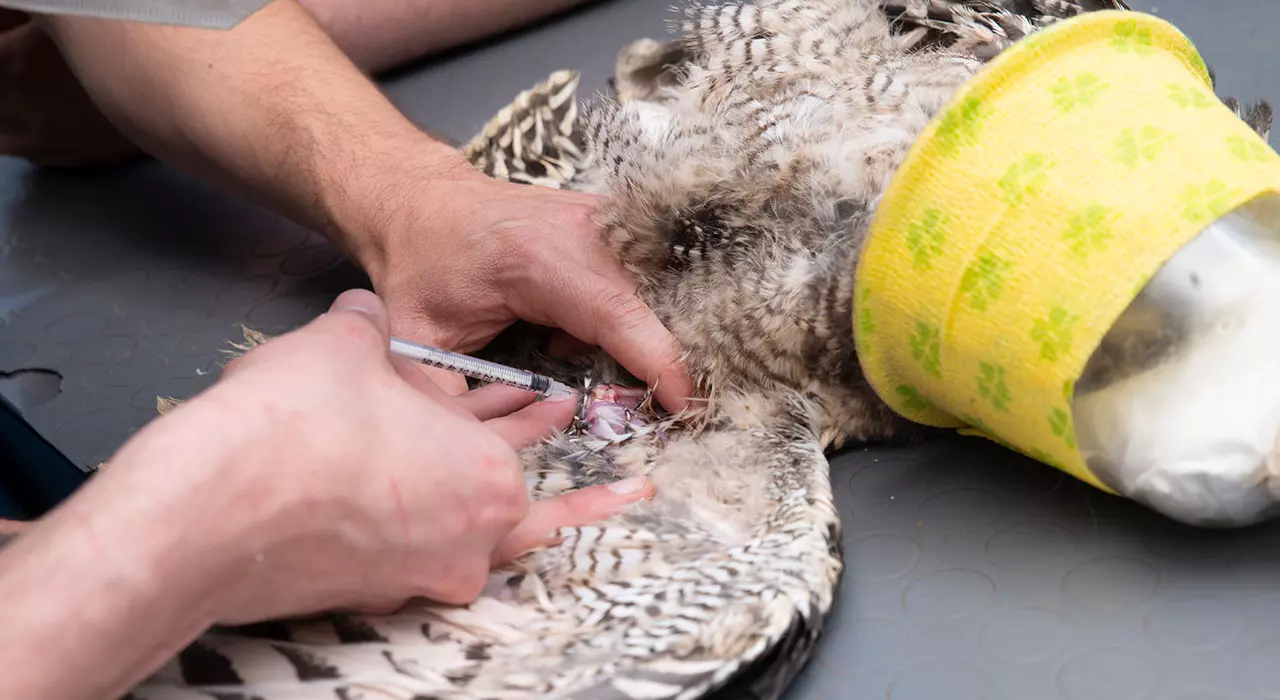
Esta Postgraduate diploma 100% online te permitirá compaginar tus estudios con tu labor profesional a la vez que aumentas tus conocimientos en este ámbito”
Syllabus
The content structure has been designed by the best professionals in Avian Medicine and Surgery, with extensive experience and recognized prestige in the profession, backed by the volume of cases reviewed, studied, and diagnosed, with extensive knowledge of new technologies applied to veterinary.
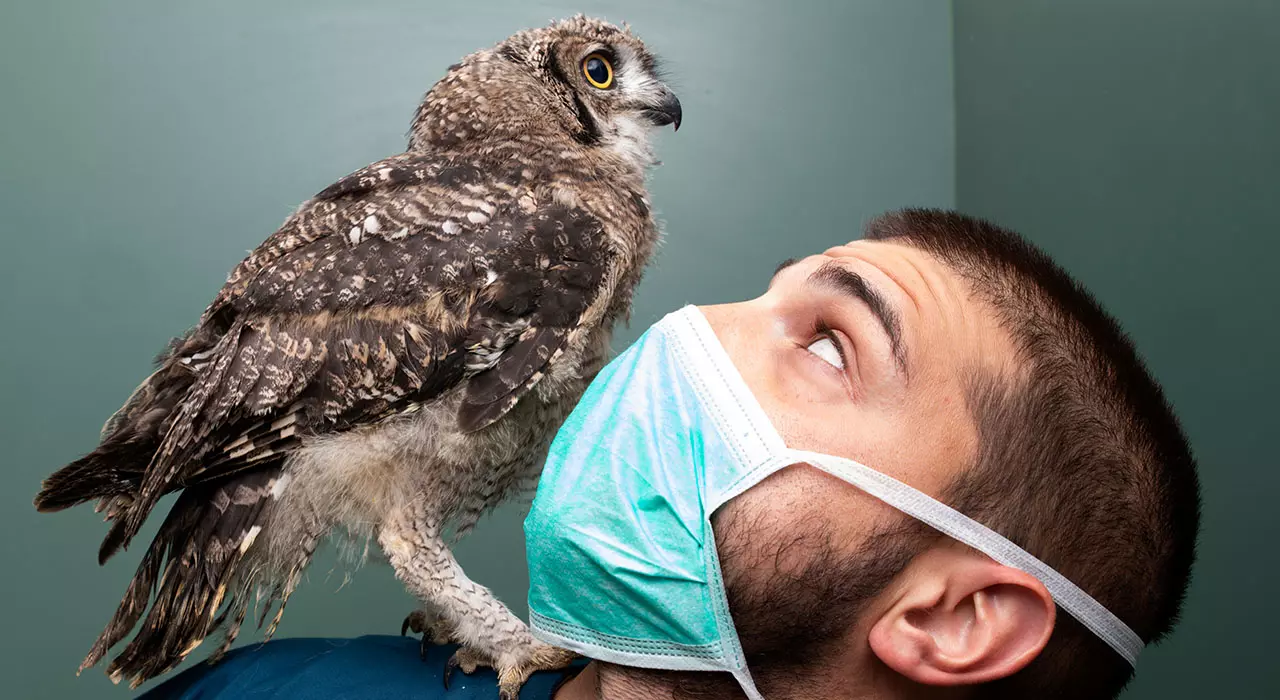
We have the most complete and up-to-date academic program in the market. We strive for excellence and for you to achieve it too"
Module 1. Avian Taxonomy, Anatomy and Physiology
1.1. Taxonomic Classification of Psittaciformes
1.1.1. Taxonomic Classification
1.1.2. Global Spread
1.1.3. Anatomic Differences
1.2. Taxonomic Classification of Passerine Birds: Wild Birds
1.2.1. Taxonomic Classification
1.2.2. Global Spread
1.2.3. Anatomic Differences
1.3. Taxonomic Classification of Falconiformes and Other Orders
1.3.1. Taxonomic Classification
1.3.2. Global Spread
1.3.3. Anatomic Differences
1.4. The Skeletal System
1.4.1. Bone Ossification
1.4.2. The Skull
1.4.2.1. The Premaxillary Area
1.4.2.2. The Jaw
1.4.3. The Axillary Skeleton: The Epiaxial Hypoaxial Muscles
1.4.3.1. Cervical Vertebrae
1.4.3.2. Thoracic Vertebrae
1.4.3.3. The Synsacrum: Special Anatomy
1.4.3.4. Caudal Vertebrae
1.4.3.5. Sternum
1.4.3.6. Wings: Complete Anatomy and Flight Muscles
1.4.4. Pelvic Limbs
1.4.4.1. Femur and Tibiotarsus
1.4.4.2. Phalanges: Finger Placement in Different Species
1.5. The Circulatory System
1.5.1. Arterial Anatomy
1.5.2. Venous Return
1.5.3. The Renal Carrier System
1.5.4. Blood Composition: Nucleated Red Blood Cells
1.6. The Respiratory System
1.6.1. The Nasal Cavity
1.6.2. Larynx and Trachea
1.6.3. The Syrinx: The Phonatory Organ in Birds
1.6.4. The Lungs
1.6.4.1. Gas Exchange
1.6.5. Air Sacs
1.7. The Digestive System
1.7.1. Beaks: Substitute for Lips and Teeth in Mammals
1.7.1.1. Wax Localization
1.7.1.2. Beak Functions
1.7.2. The Oropharynx
1.7.2.1. Solid Food Intake
1.7.2.2. Liquid Foods
1.7.3. The Esophagus
1.7.4. The Stomach
1.7.4.1. Proventricles
1.7.4.2. Ventricles
1.7.5. The Liver
1.7.6. The Pancreas
1.7.7. The Intestinal Package
1.8. The Urinary and Reproductive Systems
1.8.1. The Kidneys
1.8.2. The Ureters
1.8.3. Particularities in the Urinary System: The Salt Gland
1.8.4. Bird Sexing
1.8.5. Male Reproductive System
1.8.6. Female Reproductive System
1.9. The Nervous System
1.9.1. Sense Organs
1.9.2. Sight: Avian Eye Anatomy
1.9.3. Hearing
1.9.4. Smell and Taste
1.9.5. Touch: The Tegument
1.10. Anatomical and Physiological Particularities in Birds
1.10.1. The Thymus Gland
1.10.2. The Fabricious Bursa
1.10.3. The Spleen
1.10.4. The Pituitary Gland Hypophysis
1.10.5. Thyroid and Parathyroid Gland
1.10.6. Other Particularities
Module 2. Clinical Criteria for Avian Patients
2.1. Bird Maintenance
2.1.1. Special Furniture: Types of Cages
2.1.2. Stress
2.1.3. Physical exercise
2.1.4. Bird Maintenance in Captivity
2.1.5. Ultraviolet Light
2.1.6. Feathers Coloring
2.1.7. Water Availability
2.1.8. Medication Added to the Water
2.1.9. Water Baths and Sprays
2.2. Capture: Proper Physical Examination
2.2.1. Physical Capture
2.2.1.1. Capture Techniques
2.2.1.2. Related Injuries
2.2.2. Chemical Capture
2.2.2.1. Capture Techniques
2.2.2.2. Drugs Used
2.2.3. Bird Containment
2.3. Clinical Management and Preventive Medicine
2.3.1. Complete and Orderly Physical Examination
2.3.2. Vaccination
2.3.3. Deworming
2.3.4. Sterilization
2.4. Sampling and Drug Administration
2.4.1. Intravenous Route
2.4.2. Intraosseous Route
2.4.3. Oral Posology
2.4.4. Intramuscular Route
2.4.5. Subcutaneous Route
2.4.6. Topical Route
2.4.7. Other Entry Routes in Avian Patients
2.5. Poultry as Patients
2.5.1. The Challenges of Keeping Hens as Pets
2.5.2. Hens as Patients
2.5.3. The Most Common Chicken and Hen Races
2.6. Nutritional Requirements: Diet
2.6.1. Feeding Guidelines
2.6.2. Nutritional Composition Feed
2.6.2.1. Carbohydrates
2.6.2.2. Proteins
2.6.2.3. Fats
2.6.2.4. Vitamins
2.6.2.4.1. Liposoluble Vitamins
2.6.2.4.2. Hydrosoluble Vitamins
2.6.2.4.3. Antivitamins
2.6.2.5. Minerals
2.7. Type of Nutrition in Psittacine Birds
2.7.1. Seed Mixture
2.7.2. Feed
2.7.2.1. Differences Between Granulated and Extruded
2.7.3. Fruits and Vegetables
2.7.4. Germinated Seeds
2.7.5. Cooked Legumes
2.7.6. Breeding Paste
2.7.6.1. Desired Undesired Effects
2.7.7. Other Products
2.7.8. Calculating Energy Needs
2.7.8.1. Basal Metabolic Rate (BMR)
2.7.8.2. Maintenance Energy Requirements (MER)
2.8. Generalized Diet for the Most Common Psittacines in Clinics
2.8.1. Australian Parakeet (Melopsittacus Undulattus)
2.8.2. Nymph, Cocotilla or Carolina (Nymphicus Hollandicus)
2.8.3. Lovebirds (Agapornis Spp)
2.8.4. African Grey Parrot, Yaco (Psithacus Erithacus)
2.9. Generalized Diet for the Least Common Psittacines in Clinics
2.9.1. Amazon Parrot (Amazona Sp)
2.9.2. Macaw (Ara Sp)
2.9.3. Cockatoo (Cacatua Sp)
2.9.4. Ecleptus Parrot (Ecleptus Roratus)
2.9.5. Loris
2.9.6. Psittacine Diet Conversion
2.10. Other Dietary Aspects
2.10.1. Diet in Passerine Birds
2.10.2. Diet in Other Birds
2.10.3. Diet in Hospitalized Patients
Module 3. Laboratory Tests
3.1. Clinical and Diagnostic Techniques: General Principles Diagnostic Evidence
3.1.1. Accurate Diagnoses
3.1.2. Considerations for Sample Preparation
3.1.3. Sample Transport and Processing
3.2. Hematology: An Essential Tool
3.2.1. Cell Morphology
3.2.1.1. The Red Series in Blood
3.2.1.2. The White Series in Blood
3.3. Biochemical Analysis in Birds
3.3.1. Biochemical Reference Ranges
3.3.2. Most Used Profiles
3.3.2.1. Total Protein: Increase and Decrease
3.3.2.2. Glucose: Increase and Decrease
3.3.2.3. Uric Acid, Urea and Creatinine
3.3.2.4. Lactate Dehydrogenase (LDH)
3.3.2.5. Serum Glutamic-Oxaloacetic Transaminase (SGOT)
3.3.2.6. Bile Acids
3.3.2.7. Creatine-Phosphokinase (CPK): Muscle or Heart Failure
3.3.2.8. Calcium: Hypercalcemia Hypocalcemia
3.3.2.9. Phosphorus
3.3.2.10. Cholesterol
3.3.3. Age-Related Biochemical Changes
3.3.3.1. Proteinogram as a Diagnostic Tool
3.3.3.2. The Albumin
3.3.3.3. Alpha-1: Acute Disease Phase Indicator
3.3.3.4. Alpha-2: Acute Disease Phase Proteins
3.3.3.5. The Beta Fraction
3.3.3.6. The Gamma Fraction
3.4. Urinalysis: Suspected Nephropathy
3.4.1. Anatomo-physiological Recap of the Urinary System
3.4.2. Urine Collection Techniques in Birds
3.4.3. Urinalysis
3.4.4. Urinalysis Parameters
3.5. Fundamental Cytological Techniques: Cell Study
3.5.1. Skin and Plumage Scrapings
3.5.1.1. How to Perform Superficial Scrapings
3.5.1.2. How to Perform Deep Scrapings
3.5.2. Biopsy Collection
3.5.2.1. Different Application Techniques
3.5.2.2. Skin Biopsies
3.5.2.3. Skeletal Injury Biopsies
3.5.2.4. Small Biopsies Organs and Masses
3.5.2.5. Chronic Injury Biopsies
3.5.2.6. Biopsies of Small Lesions and Masses
3.5.3. Cytology: Functions
3.5.3.1. Sample Collection and Processing
3.5.3.2. Key Points Cytologic Interpretations
3.6. Advanced Cytologic Techniques
3.6.1. Aspiration
3.6.1.1. Complementary Tests
3.6.1.2. Aspiration Methods
3.6.2. Microbiological Swabs Collection
3.6.2.1. Upper Respiratory Routes
3.6.2.2. Lower Gastrointestinal Tract
3.6.3. Washing Technique
3.6.3.1. Crop Washing
3.6.3.2. Air Sac Washing
3.7. Preparing for a Necropsy
3.7.1. Fundamental Aspects
3.7.1.1. Necropsies
3.7.1.2. The Importance of Anamneses and Patient Medical Histories
3.7.2. Necessary Equipment: Instruments
3.7.3. Selecting Tissues in Necropsy Cases
3.7.4. Samples Preservation for Diagnostic Studies
3.7.5. Records: Injuries and Findings
3.8. External Patient Evaluation in Postmortem Examinations
3.8.1. Skin and Appendages: Evidence of Trauma
3.8.2. The Skeletal System
3.8.3. The Sensory System
3.8.4. The Muscle System: Initial Examination
3.9. Internal Patient Evaluation in Postmortem Examinations
3.9.1. The Cardiorespiratory and Cardiovascular Systems
3.9.2. The Lymphoreticular System
3.9.3. The Liver
3.9.4. The Digestive system
3.9.5. Urinary System Assessment
3.9.6. Reproductive System Analysis
3.9.6.1. Necropsy in Females
3.9.6.2. Necropsy in Males
3.9.7. Necropsy Evaluation of the Nervous System
3.9.8. Examination Conclusion
3.10. Diagnostic Procedures for the Necropsy Technique
3.10.1. Histopathological Examination of Collected Samples
3.10.1.1. Sample Collection
3.10.2. Microbiological Analysis
3.10.2.1. Swabbing Technique
3.10.3. Polymerase Chain Reaction (PCR)
3.10.3.1. Infectious Laryngotracheitis
3.10.3.2. Infectious Bronchitis
3.10.3.3. Poxvirus
3.10.3.4. Mycoplasma Gallisepticum, Mycoplasma Synoviae
3.10.3.5. Other diseases
Module 4. Diagnostic Imaging Techniques
4.1. When to Anesthetize Birds for Diagnostic Techniques
4.1.1. Volatile Anesthesia
4.1.2. Injectable Anesthesia
4.1.3. Anesthesia in Special Conditions
4.2. Necessary Radiology Equipment
4.2.1. General Considerations
4.2.2. The X-Ray Unit
4.2.3. Screens, Chassis and Foils
4.3. The Patient: Restraining and Positioning
4.3.1. Laterolateral Projection
4.3.2. Ventrodorsal Projection
4.3.3. Craniocaudal Projection
4.3.4. Wing Projection
4.3.5. Caudoplantar Projection
4.4. Types of X-Rays: Contrast Radiography Studies
4.4.1. Conventional Radiography
4.4.2. Gastrointestinal Contrast Studies
4.4.3. Respiratory Contrast Studies
4.4.4. Urography
4.4.5. Myelography
4.5. Radiologic Interpretations
4.5.1. Anatomy Applied to Radiography
4.5.2. Abnormal Radiographic Findings the Respiratory System
4.5.3. Abnormal Radiographic Findings the Digestive System
4.5.4. Abnormal Radiographic Findings the Skeletal System
4.6. Fundamental Aspects of Avian Ultrasound
4.6.1. The Complete Ultrasound Diagnosis
4.6.1.1. Lineal Convex, Microconvex and Phased Array Probes
4.6.1.2. Ultrasound
4.6.2. Specific Diagnostic Objectives in Birds and Limitations
4.6.3. }Necessary Technical Equipment for Ultrasound
4.7. Advanced Criteria for Avian Ultrasound
4.7.1. Patient Preparation for Ultrasound
4.7.2. Applied Anatomical Recap and Proper Patient Positioning
4.7.3. Ultrasound Interpretations
4.8. Endoscopy
4.8.1. Endoscopy
4.8.1.1. Necessary Equipment for Endoscopy
4.8.1.2. Rigid Endoscope
4.8.2. Patient Preparation and Positioning for Endoscopy
4.8.3. Clinical and Surgical Application of Avian Ultrasound
4.9. Avian Cardiology: Basic Fundamentals
4.9.1. Cardiac System Anatomy in Birds
4.9.2. Clinical Examination in Birds
4.9.3. Avian Electrocardiography
4.10. Veterinary Clinical Analysis in Birds
4.10.1. Serotyping Major Diseases
4.10.1.1. Salmonella Spp
4.10.2. Coprological Analysis
4.10.2.1. Parasitology
4.10.2.2. Bacteriology
4.10.3. Serology of the Most Prominent Diseases in Avian Medicine
4.10.3.1. Infectious Laryngotracheitis
4.10.3.2. Infectious Bronchitis
4.10.3.3. Newcastle Disease
4.10.3.4. Mycoplasma Spp
4.10.3.5. Avian Influenzar
This training will allow you to seamlessly advance in your career"
Postgraduate Diploma in Poultry Maintenance, Nutritional Requirements and Diagnostic Techniques
If you have a passion for poultry care and want to become an expert in poultry maintenance, nutritional requirements and diagnostic techniques, TECH Global University's Postgraduate Diploma is the ideal program for you. For 6 months, our online classes will provide you with the knowledge and skills necessary to excel in this specialized field. We pride ourselves in offering high quality academic programs that are tailored to the needs of professionals. Our educational program is delivered in an online format, allowing you to study from anywhere and at your own pace. You will immerse yourself in the fascinating world of birds and learn about their proper maintenance, specific nutritional requirements and diagnostic techniques used in their care. Our team of experts will guide you through interactive lectures, real-world case studies and hands-on activities to give you a thorough understanding of these key areas.
Acquire specialized knowledge in poultry maintenance, nutrition and diagnostics.
During the program, you will learn how to design and maintain a suitable environment for birds, provide them with a balanced diet and assess their health status using advanced diagnostic techniques. Our approach will allow you to develop field-applicable skills, giving you a solid foundation for working in the care and management of birds in different environments, such as zoos, nature reserves or rescue centers. At the end of the program, you will be prepared to meet the challenges of bird care and contribute to the well-being of birds in any environment. You will earn a certificate, backed by our reputation as a leading institution in higher education. Don't miss the opportunity to become an expert in bird care. Enroll and take the first step towards a successful career in this exciting field - your passion for birds can become a rewarding and enriching profession!