
University certificate
Accreditation/Membership
.png)







The world's largest faculty of medicine”
Introduction to the Program
Un programa exhaustivo y 100% online, exclusivo de TECH y con una perspectiva internacional respaldada por nuestra afiliación con Worldwide Dermatology Collaboration”
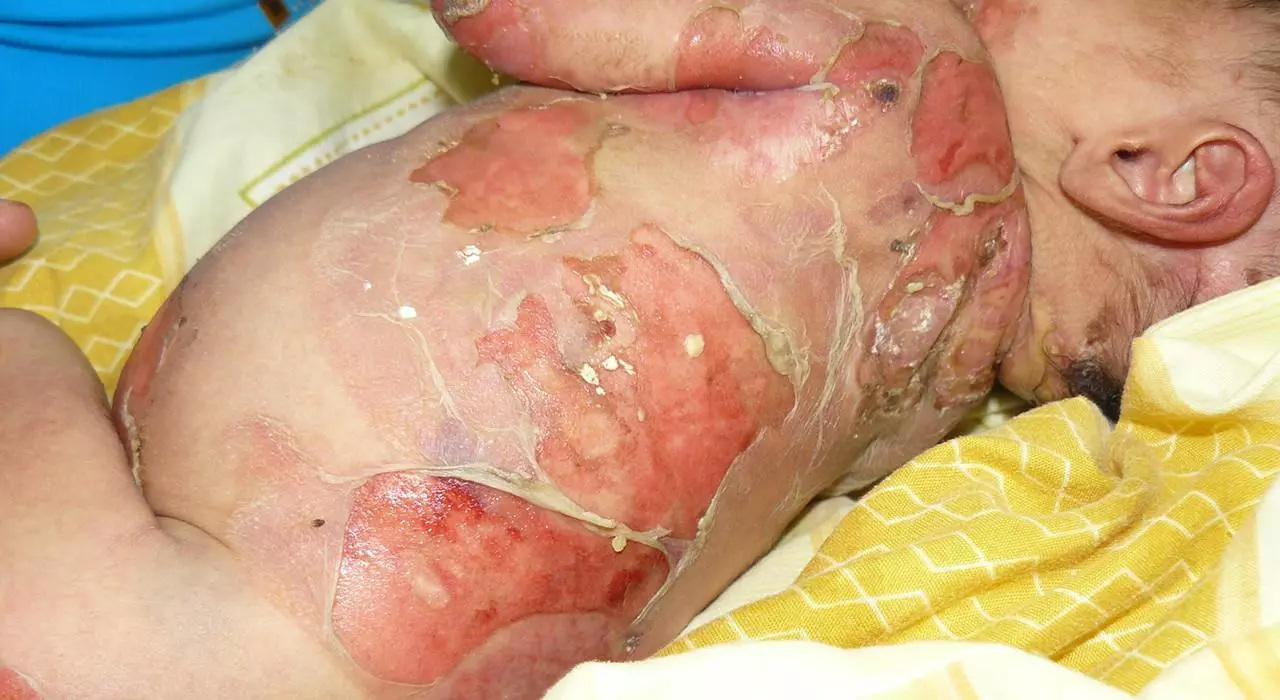
La Dermatología Pediátrica constituye un campo de enorme complejidad clínica, en el que confluyen patologías que afectan no solo la piel, sino también el desarrollo y el bienestar integral del niño. Entre ellas destacan las Dermatosis, las Enfermedades Ampollosas y la Patología Tumoral, cuyo abordaje temprano y especializado resulta decisivo para prevenir complicaciones y garantizar un tratamiento eficaz. De ahí la importancia de acceder a un programa que ofrezca una actualización rigurosa y alineada con las exigencias de la práctica médica actual.
En este contexto, surge la Postgraduate diploma en Dermatoses, Blistering Diseases and Tumor Pathology in Pediatric Dermatology, diseñado por TECH Global University con el propósito de proporcionar a los profesionales herramientas de gran valor para optimizar la atención clínica. A lo largo del recorrido académico, se analizarán en detalle los avances más recientes en diagnóstico, terapéutica y seguimiento, favoreciendo una visión integral de las Patologías Cutáneas que afectan a la población infantil. El itinerario de estudios abarca desde la revisión de la Patología Congénita y Neonatal (incluyendo los cambios fisiológicos de la piel del recién nacido y las Lesiones Benignas transitorias) hasta el análisis de las Dermatosis Eczematosas, con especial atención a la Dermatitis Atópica, su fisiopatología y las estrategias terapéuticas más innovadoras.
Asimismo, gracias a que TECH es miembro de Worldwide Dermatology Collaboration (WDC), el alumno accederá a investigación avanzada, programas especializados y eventos internacionales que fortalecerán su aprendizaje continuo. Además, podrá conectar con expertos globales en dermatología, ampliando su red profesional y fomentando el intercambio de conocimientos para afrontar los retos actuales en el cuidado de la piel.
Explorarás los avances más recientes en diagnóstico y manejo dermatológico infantil, accediendo a una serie de Masterclasses impartidas por un respetado Director Invitado Internacional”
Esta Postgraduate diploma en Dermatoses, Blistering Diseases and Tumor Pathology in Pediatric Dermatology contiene el programa universitario más completo y actualizado del mercado. Sus características más destacadas son:
- El desarrollo de casos prácticos presentados por expertos en Medicina
- Los contenidos gráficos, esquemáticos y eminentemente prácticos con los que están concebidos recogen una información científica y práctica sobre aquellas disciplinas indispensables para el ejercicio profesional
- Los ejercicios prácticos donde realizar el proceso de autoevaluación para mejorar el aprendizaje
- Su especial hincapié en metodologías innovadoras
- Las lecciones teóricas, preguntas al experto, foros de discusión de temas controvertidos y trabajos de reflexión individual
- La disponibilidad de acceso a los contenidos desde cualquier dispositivo fijo o portátil con conexión a internet
Te especializarás en el diagnóstico y manejo de Dermatosis Complejas, perfeccionando tu capacidad para identificar de manera temprana las alteraciones cutáneas que definen el tratamiento pediátrico actual”
Incluye en su cuadro docente a profesionales pertenecientes al ámbito de la Medicina, que vierten en este programa la experiencia de su trabajo, además de reconocidos especialistas de sociedades de referencia y universidades de prestigio.
Su contenido multimedia, elaborado con la última tecnología educativa, permitirá al profesional un aprendizaje situado y contextualizado, es decir, un entorno simulado que proporcionará un estudio inmersivo programado para entrenarse ante situaciones reales.
El diseño de este programa se centra en el Aprendizaje Basado en Problemas, mediante el cual el alumno deberá tratar de resolver las distintas situaciones de práctica profesional que se le planteen a lo largo del curso académico. Para ello, el profesional contará con la ayuda de un novedoso sistema de vídeo interactivo realizado por reconocidos expertos.
Dominarás la interpretación de alteraciones genéticas en Enfermedades Ampollosas y Patología Tumoral, optimizando el diagnóstico y personalizando el enfoque terapéutico para cada paciente pediátrico"
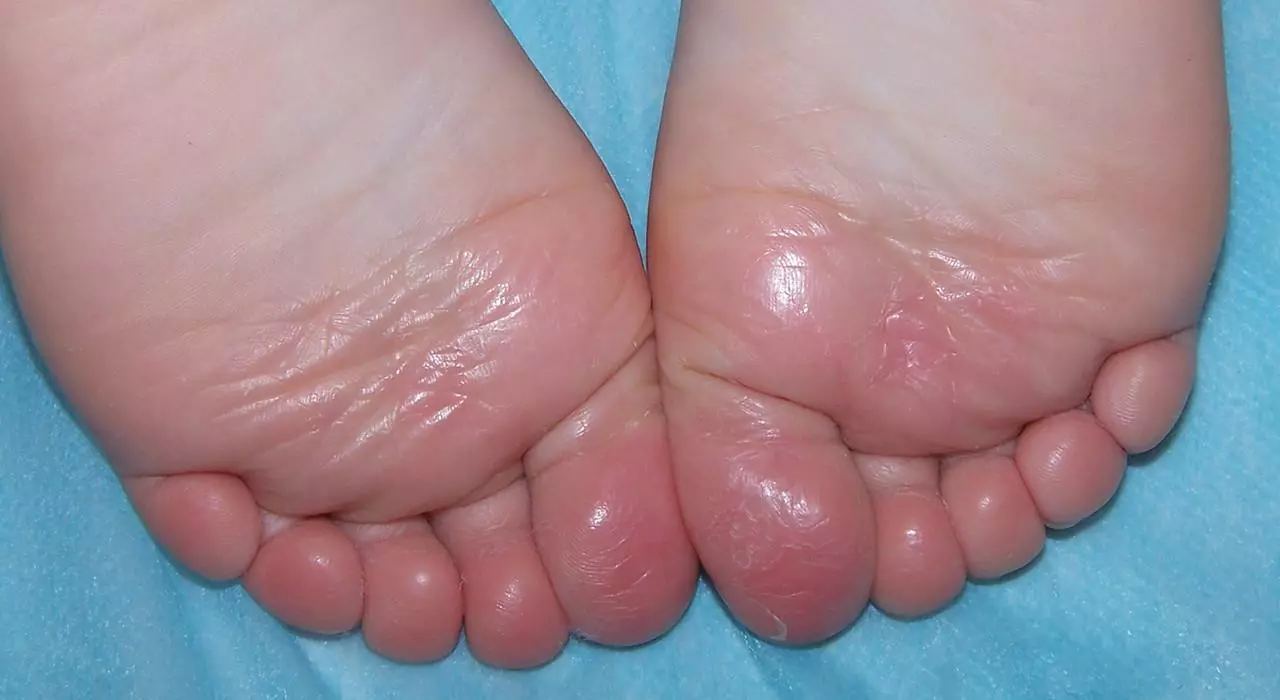
Aplicarás tecnologías diagnósticas avanzadas y tratamientos innovadores para mejorar la atención integral en Dermatosis, Enfermedades Ampollosas y Patología Tumoral Pediátrica"
Syllabus
The structure of the contents has been designed by a team of professionals from the best educational centers and universities in the country, aware of the relevance of the current relevance of innovative education, and committed to quality teaching through new educational technologies.

A comprehensive teaching program, structured in well-developed teaching units, oriented towards efficient and swift learning that is compatible with your personal and professional life"
Module 1. Review of Congenital and Neonatal Skin Pathology
1.1. Physiological Skin Changes Neonates
1.1.1. Neonatal Skin
1.1.2. Physiological Vascular Changes
1.1.3. Physiological Pigmentary Changes
1.1.4. Lanugo and Physiological Changes of the Hair
1.2. Benign and Transient Skin and Mucous Membranes Lesions
1.2.1. Milia
1.2.2. Bohn's Nodules and Ebstein's Pearls
1.2.3. Congenital Epulis and Neonatal Teeth
1.2.4. Suction Calluses
1.2.5. Sebaceous Hyperplasia
1.2.6. Toxic Erythema Neonatorum
1.2.7. Neonatal Acne
1.2.8. Miniature Puberty of the Neonate
1.2.9. Foliculitis Pustulosa Eosinofílica
1.2.10. Melanosis Pustulosa Neonatal Transitoria
1.2.11. Suction Ampoules
1.2.12. Dermatitis Seborreica
1.3. Developmental Abnormalities in the Neonate
1.3.1. Facial Abnormalities
1.3.2. Cervical Abnormalities
1.3.3. Alterations at Thoracic-Abdominal Level
1.3.4. Cutaneous Indicators of Dysraphism
1.3.5. What to Do When a Newborn Has Developmental Abnormalities?
1.4. Congenital Neonatal Infections
1.4.1. Bacterial Infections
1.4.2. Viral Infections
1.4.3. Fungal Infections
1.5. Erosive and Blistering Dermatoses
1.5.1. Erosive Dermatoses and Differential Diagnosis
1.5.2. Blistering Dermatoses and Differential Diagnosis
1.6. Neonatal Pathology Associated with Invasive Procedures during Gestation or Childbirth.
1.6.1. Cutaneous Manifestations of Invasive Processes During pregnancy
1.6.2. Cutaneous Manifestations due to Trauma during Childbirth
1.6.3. Subcutaneous Fat Necrosis and Neonatal Scleredema
Module 2. Eczematous and Papular Desquamative Dermatoses
2.1. Pathophysiology and Clinical Manifestations of Atopic Dermatitis (AD)
2.1.1. Epidemiology of AD
2.1.2. Atopic Advance
2.1.3. Pathophysiology DA
2.1.4. Clinical Manifestations of AD in Different Periods of Childhood and Adolescence.
2.1.5. Complications in the Course of AD
2.2. Update on the Management and Treatment of Atopic Dermatitis
2.2.1. Diagnostic Tests to be Ordered
2.2.2. Indications for Systemic Allergy Studies
2.2.3. Treatment of AD
2.2.4. Management of the Patient with Moderate-Severe DA
2.3. Seborrheic Dermatitis
2.3.1. Epidemiology
2.3.2. Clinical Manifestations of Seborrheic Dermatitis in Childhood and Adolescence
2.3.3. Management of Seborrheic Dermatitis
2.4. Irritant and Allergic Contact Dermatitis
2.4.1. Irritant Contact Dermatitis in Childhood
2.4.2. Allergic Contact Dermatitis in Childhood
2.5. Pathophysiology and Clinical Manifestations of Psoriasis
2.5.1. Epidemiology of Psoriasis
2.5.2. Pathophysiology of Psoriasis
2.5.3. Clinical Manifestations of Psoriasis in the Different Periods of Childhood and Adolescence
2.5.4. Psoriatic Arthropathy
2.6. Management and Treatment of Infantile-Juvenile Psoriasis
2.6.1. Tests to be Ordered
2.6.2. Step Therapy in Psoriasis
2.6.3. Management of the Patient with Moderate-Severe Psoriasis
2.7. Pityriasis Rubra Pilaris and Lichen: Planus, Nitidus, Aureus
2.7.1. Pitiriasis Rubra
2.7.2. Lichen Planus
2.7.3. Liquen Aureus
2.7.4. Liquen Nitidus
2.8. Pityriasis Lichenoides and Papulosis Lymphomatoides
2.8.1. Pityriasis Lichenoides
2.8.2. Lymphomatoid Papulosis
Module 3. Pigmentary Pathology, Benign and Malignant Tumor Pathology
3.1. Nevus
3.1.1. Melanocytic Nevus
3.1.2. Congenital Melanocytic Nevus
3.1.3. Nevus de Becker, Nevus Spilus, Halo Nevus
3.1.4. Nevus de Spitz
3.1.5. Atypical Nevus and Familial Dysplastic Nevus-Melanoma Syndrome
3.2. Benign Tumors
3.2.1. Epidermal, Sebaceous, Comedonal Nevus and syndromes
3.2.2. Benign Adnexal Tumors
3.2.3. Benign Dermal, Subcutaneous Cellular Tissue, Muscle and Bone Tumors
3.3. Intermediate Malignant and Malignant Tumors
3.3.1. Basal Cell Carcinoma and Squamous Carcinoma
3.3.2. Mastocitosis
3.3.3. Cutaneous lymphomas
3.3.4. Infantile Fibromatosis
3.3.5. Dermatofibrosarcoma Protuberans
3.4. Dermatoses Combining Hypo-and Hyperpigmentation and Dermatoses with Hyperpigmentation
3.5. Hypopigmented Dermatoses
3.5.1. Pathologies with Congenital / Early Childhood Hypopigmentation
3.5.2. Pathologies with Acquired Hypopigmentation
3.6. Melanoma
Module 4. Advances in Childhood Blistering Diseases
4.1. Hereditary Blistering Diseases
4.1.1. Epidermolysis Bullosa Simplex
4.1.2. Epidermólisis Bullosa Juntural
4.1.3. Epidermólisis Bullosa Distrófica
4.1.4. Junctional Epidermolysis Bullosa
4.1.5. Epidermolysis Bullosa Dystrophica
4.2. Advances in the Management and Treatment of Hereditary ADs
4.3. Autoimmune Blistering Diseases I
4.3.1. Bullous Pemphigoid
4.3.2. Pemphigus
4.3.3. Chronic Blistering Disease of Childhood
4.4. Autoimmune Blistering Diseases II
4.4.1. Epidermolysis Bullosa Acquired
4.4.2. Dermatitis Herpetiformis
4.4.3. Systemic Lupus Erythematosus Lupus Erythematosus, Bullous
4.5. Management of Immunosuppressive Drugs in Childhood I
4.5.1. Immunosuppressive Drugs
4.5.2. Indications
4.5.3. Management
4.6. Management of Immunosuppressive Drugs in Childhood II
4.6.1. Study of the Patient Candidate for Immunosuppressant Treatment
4.6.2. Vaccination and Subsequent Management of the Patient Candidate for Immunosuppressants

A unique, key, and decisive training experience to boost your professional development”
Postgraduate Diploma in Dermatosis, Blistering Diseases and Tumor Pathology in Pediatric Dermatology
The area of dermatological care in pediatrics is characterized by its constant evolution, as a result of the large number of research processes carried out in the sector, being frequent the implementation of new diagnostic and therapeutic alternatives applied in the treatment of patients with skin conditions. Understanding the need for academic updating that accompanies the continuous evolution of the sector, in TECH Global University we have prepared our Postgraduate Diploma program in Dermatosis, Blistering Diseases and Tumor Pathology in Pediatric Dermatology, focused on the training of the professional under the current trends and needs of the sector. In this postgraduate course, special attention will also be paid to updating aspects such as: knowledge of advances in the management and treatment of hereditary and autoimmune blistering diseases; and new therapeutic and pharmacological alternatives in the approach to cases of atopic dermatitis and seborrheic dermatitis in pediatric patients.
Study a Postgraduate Diploma in Dermatosis online
Due to the physiological characteristics of the patients to be treated, the field of pediatric dermatology is subject to a series of factors related to the immediacy and promptness of the medical care received, a fact that generates a great demand on the professional in charge in terms of knowledge and skills applied to their field. In our program you will have access to the most updated knowledge in the area, which will allow you to strengthen your abilities and skills, adapting your professional profile to the modern requirements of the sector. In this way, the focus is on the updating of relevant concepts such as: current medical alternatives in the approach to malignant and intermediate malignancy tumors; management and knowledge of the new possibilities offered by immunosuppressive drugs applied to pediatric patients; modern therapeutic options in the treatment of cases of infantile-juvenile psoriasis.