
University certificate







The world's largest faculty of veterinary medicine”
Introduction to the Program
Aprenderás a analizar los aspectos claves para el diseño y elaboración de dietas dirigidas a obtener el máximo aprovechamiento de nutrientes por parte de los animales destinados a producción de proteína de origen animal”
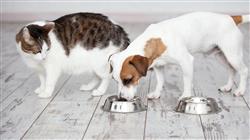
Este programa en Nutrition and Feeding in Small Animals es único dado su nivel de especialización y la secuencia lógica de aprendizaje con la que está ordenado el contenido.
Su objetivo último es especializar y actualizar a los profesionales en los aspectos técnicos y científicos más avanzados de la nutrición y alimentación animal.
Unos conocimientos que posibilitan la entrada, vinculación y especialización a uno de los sectores de la producción animal más importantes en la actualidad y con más demanda laboral y necesidad de especialización.
La población mundial actual estimada en 7.600 millones se prevé que aumente a 8.600 millones en el 2030 y la nutrición animal es una de las disciplinas llamadas a ayudar a solventar la problemática de producir proteína suficiente y económica, para alimentar esta creciente demanda, de manera eficiente y sostenible
Con un formato innovador, esta especialización permite a los participantes desarrollar un aprendizaje autónomo y un manejo óptimo de su tiempo.
En resumen, es una propuesta ambiciosa, amplia, estructurada y entrelazada, en la que se abarcan desde los principios fundamentales y relevantes de la nutrición, hasta la fabricación del alimento. Todo ello con las características de un programa de alto nivel científico, docente y tecnológico.
Incorpórate a la élite, con esta especialización de alta eficacia educativa y abre nuevos caminos a tu progreso profesional”
Esta Postgraduate diploma en Nutrition and Feeding in Small Animals contiene el programa universitario más completo y actualizado del mercado. Sus características más destacadas son:
- Última tecnología en software de enseñanza online
- Sistema docente intensamente visual, apoyado en contenidos gráficos y esquemáticos de fácil asimilación y comprensión
- Desarrollo de casos prácticos presentados por expertos en activo
- Sistemas de vídeo interactivo de última generación
- Enseñanza apoyada en la telepráctica
- Sistemas de actualización y reciclaje permanente
- Aprendizaje autoregulable: total compatibilidad con otras ocupaciones
- Ejercicios prácticos de autoevaluación y constatación de aprendizaje
- Grupos de apoyo y sinergias educativas: preguntas al experto, foros de discusión y conocimiento
- Comunicación con el docente y trabajos de reflexión individual
- Disponibilidad de los contenidos desde cualquier dispositivo fijo o portátil con conexión a internet
- Bancos de documentación complementaria disponible permanentemente, incluso después del programa
Conviértete en uno de los profesionales más demandados del momento: especialízate en Alimentación y Nutrición en Pequeños Animales”
Nuestro personal docente está integrado por profesionales de diferentes ámbitos relacionados con esta especialidad. De esta manera se aseguran de ofrecerle el objetivo de actualización formativa que pretendemos. Un cuadro multidisciplinar de profesionales formados y experimentados en diferentes entornos, que desarrollarán los conocimientos teóricos, de manera eficiente, pero, sobre todo, pondrán al servicio del programa los conocimientos prácticos derivados de su propia experiencia: una de las cualidades diferenciales de esta capacitación.
Este dominio de la materia se complementa con la eficacia del diseño metodológico de este Experto Universitario. Elaborado por un equipo multidisciplinario de expertos en e-learning integra los últimos avances en tecnología educativa. De esta manera, podrá estudiar con un elenco de herramientas multimedia cómodas y versátiles que le darán la operatividad que necesita en tu especialización.
El diseño de este programa está basado en el Aprendizaje Basado en Problemas: un planteamiento que concibe el aprendizaje como un proceso eminentemente práctico. Para conseguirlo de forma remota, usaremos la telepráctica: con la ayuda de un novedoso sistema de vídeo interactivo, y el Learning From an Expert podrá adquirir los conocimientos como si estuviese enfrentándote al supuesto que está aprendiendo en ese momento. Un concepto que te permitirá integrar y fijar el aprendizaje de una manera más realista y permanente.
Un programa que te capacitará para trabajar en los sectores de producción de alimentos para o con origen animal, con la solvencia de un profesional de alto nivel"
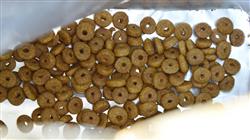
Con este programa de alto nivel aprenderás a reconocer todos los aspectos nutricionales de perros y gatos e identificar los mitos en este sentido"
Syllabus
The contents of this specialization have been developed by the different experts of this course, with a clear purpose: to ensure that our students acquire each and every one of the necessary skills to become true experts in this field.
A complete and well-structured program that will take you to the highest standards of quality and success.

A comprehensive teaching program, structured in well-developed teaching units, oriented towards learning that is compatible with your personal and professional life"
Module 1. Nutrients and Metabolism
1.1. Carbohydrates
1.1.1. Carbohydrates in Animal Food
1.1.2. Classification of Carbohydrates
1.1.3. Digestion Process
1.1.4. Fiber and Digestion of Fiber
1.1.5. Factors which Affect the Utilistion of Fiber
1.1.6. Physical Function of Fibre
1.2. Metabolism of Carbohydrates
1.2.1. Metabolic Fate of Carbohydrates
1.2.2. Glycolysis, Glycogenolysis, Glycogenesis and Gluconeogenesis
1.2.3. Pentose Phosphate Cycle
1.2.4. Krebs Cycle
1.3. Lipids
1.3.1. Classification of Lipids
1.3.2. Functions of Lipids
1.3.3. Fatty Acids
1.3.4. Digestion and Absorption of Fats
1.3.5. Factors which Affect Lipid Digestion
1.4. Lipid Metabolism
1.4.1. Metabolic Fate of Lipids
1.4.2. Fat Metabolism Energy
1.4.3. Oxidative Rancidity
1.4.4. Essential Fatty Acids
1.4.5. Lipid Metabolism Problems
1.5. Energetic Metabolism
1.5.1. Measurement of Heat Reaction
1.5.2. Biological Partitioning of Energy
1.5.3. Nutrient Caloric Increase
1.5.4. Energy Balance
1.5.5. Environmental Factors that Influence Energy Requirements
1.5.6. Characteristics of Energy Deficiencies and Excesses
1.6. Proteins
1.6.1. Protein Classification
1.6.2. Functions of the Different Proteins
1.6.3. Digestion and Absorption of Proteins
1.6.4. Factors which Affect Protein Digestion
1.6.5. Nutritional Classification of Amino Acids for Poultry and Swine
1.7. Protein Metabolism in Poultry and Swine
1.7.1. Metabolic Fate of Proteins
1.7.2. Gluconeogenesis and Degradation of Amino Acids
1.7.3. Excretion of Nitrogen and Synthesis of Uric Acid
1.7.4. Imbalance of Amino Acids and Energetic Cost of Protein Metabolism
1.7.5. Interaction Between Amino Acids
1.8. Vitamins and Minerals
1.8.1. Vitamin Classification
1.8.2. Vitamin Requirements for Poultry and Swine
1.8.3. Vitamin Deficiencies
1.8.4. Macro and Micro minerals
1.8.5. Interaction Between Minerals
1.8.6. Organic Chelates
1.9. Mineral and Vitamin Metabolism
1.9.1. Vitamin Interdependence
1.9.2. Deficiencies and Toxicity of Vitamins
1.9.3. Choline
1.9.4. Metabolism of Calcium and Phosphorus
1.9.5. Electrolyte Balance
1.10. Water. The Forgotten Nutrient
1.10.1. Principal Functions of Water
1.10.2. Distribution of Water in an Organism
1.10.3. Sources of Water
1.10.4. Factors Affecting Water Requirements
1.10.5. Water Requirements
1.10.6. Requirements for the Quality of Drinking Water
Module 2. Digestibility, Ideal Protein and Advances in Animal Nutrition
2.1. Apparent Digestibility Coefficients
2.1.1. Techniques to Obtain the Ileal Digesta
2.1.2. Methodology to Calculate Digestibility
2.2. Endogenous Losses
2.2.1. Origin and Composition of Endogenous Amino Acids
2.2.2. Techniques to Measure Endogenous Losses
2.3. Standardized Coefficients and True Digestibility
2.4. Factors Affecting Digestibility Coefficients
2.4.1. Age and Physical State
2.4.2. Food Consumption and Composition
2.5. Synthetic Amino Acids in Animal Nutrition
2.5.1. Synthesis of Synthetic Amino Acids
2.5.2. Use of Synthetic Amino Acids in Diets
2.6. Ideal Protein and Advances in Protein Nutrition
2.6.1. Concept of Ideal Protein
2.6.2. Profiles of Ideal Protein
2.6.3. Use of Practical Applications
2.7. Estimation of Nutritional Requirements Through Performance Experiments
2.7.1. Evaluation Methods for Nutritional Requirements
2.7.2. Requirements Determination
2.8. Factors Affecting Ntrient Utilization
2.8.1. Age
2.8.2. Physiological Condition
2.8.3. Level of Consumption
2.8.4. Environmental Conditions
2.8.5. Diet
2.9. Importance of the Quality and Stability of Fats in Nutrition
2.9.1. Types of Fats
2.9.2. Nutritional Profile of Fats
2.9.3. Quality
2.9.4. Inclusion of Fat in the Diet
2.10. Organic Minerals in Monogastric Nutrition
2.10.1. Macrominerals
2.10.2. Microminerals
2.10.3. Structure of Organic Minerals
2.11. Integrity and Intestinal Health, its Importance in Animal Nutrition
2.11.1. Intestinal Physiology and Anatomy
2.11.2. Intestinal Health and Digestibility
2.11.3. Factors which Affect Intestinal Integrity
2.12. Strategies for Animal Production Without Using Growth Enhancing Antibiotics
2.12.1. Effects of Antibiotics on Nutrition
2.12.2. Risk of Using Anitbiotics
2.12.3. Global Patterns
2.12.4. Formulation and Feeding Strategies
2.13. Concept of Precision Nutrition
2.13.1. Diets Close Up
2.13.2. Animal Models
2.13.3. Ideal Protein
2.13.4. Physiological Condition
2.13.5. Growth Physiology
Module 3. Nutrition and Food in Canines and Felines
3.1. Physiology of the Digestive System of Canines and Felines (I)
3.1.1. Introduction
3.1.2. Functioning of the Digestive System
3.1.3. Principle Differences and Similarities Between Both Species
3.2. Physiology of the Digestive System of Canines and Felines (II)
3.2.1. Introduction
3.2.2. Balanced Diet
3.2.3. Factors that influence ingestion
3.3. Requirements
3.3.1. Energy and Carbohydrates for Dogs and Cats
3.3.2. Fats and Proteins
3.3.3. Vitamins and Minerals
3.4. Foods Available for Pet Animals
3.4.1. Introduction
3.4.2. Types of Diets
3.4.3. Owners Interpretation of the Label
3.5. Nutrition for Different Stages of Life (I)
3.5.1. Introduction
3.5.2. Maintenance for Adults
3.5.3. Food for Puppies
3.6. Nutrition for Different Stages of Life (II)
3.6.1. Reproduction and Lactation
3.6.2. Food for Pets of an Advanced Age
3.6.3. A Special Case. Food for Racing Dogs
3.7. Pathologies Derived from Nutrition and their Treatments (I)
3.7.1. Introduction
3.7.2. The Obese Patient
3.7.3. The Underweight Patient
3.8. Pathologies Derived from Nutrition and their Treatments (II)
3.8.1. Cardiac Patient
3.8.2. Renal Patient
3.8.3. Liver patient
3.9. Pathologies Derived from Nutrition and their Treatments (II)
3.9.1. Gastrointestinal Problems
3.9.2. Skin Diseases
3.9.3. Diabetes Mellitus
3.10. Nutritional Management in Extreme Situations
3.10.1. Introduction
3.10.2. Food for a Sick Patient
3.10.3. Intensive Care Nutritional Support

This training will allow you to advance in your career comfortably"
Postgraduate Diploma in Nutrition and Feeding in Small Animals
No veterinarian could perform an outstanding role without an in-depth knowledge of the gastrointestinal functioning and dietary parameters of the most popular pets. The nutritional aspect is one of the most preponderant focuses in animal health care work. In order to strengthen this aspect, TECH Global University has created the Postgraduate Diploma in Nutrition and Feeding of Canines and Felines; an online academic program established with the latest advances in multimedia, complementary bibliographic banks, lectures with experts, self-directed schedules, among other advantages that our system offers you. Thanks to it, you will be able to learn about a field that has great potential for job growth: the pet food industry. Do you want to learn about energy metabolism, proteins, synthetic amino acids, digestive pathologies and physiology in dogs and cats, among other interesting topics, visualizing the lessons even from your cell phone? Access this innovative offer and get your degree in only 450 hours without leaving home with the best teachers in the field.
All about dog and cat nutrition in a single degree
According to data from the market consulting firm Statista, only in 2020 the sale of pet food reached 12 billion euros in Spain, growing by 8.3% over the previous year. These numbers are on the rise because, according to the National Association of Pet Food Manufacturers (ANFAAC), the total number of Spanish households that have at least one pet (40%) is growing more and more. Under the perspective of such a panorama, there are great opportunities of progress for a professional profile such as the one you will access through our Postgraduate Diploma. Ranked by Forbes magazine as the number one online university in the world, leaders in methodological innovation, we provide a highly rewarding option for you to diversify your skills and bet on a better future. If veterinary medicine is your passion, do not hesitate to enroll with us and access all the great benefits we have for you.