
University certificate







The world's largest faculty of education”
Introduction to the Program
Los docentes universitarios deben saber motivar a sus alumnos para que descubran su vocación e incentivarlos hacia la investigación científica”

Los principales objetivos de la Postgraduate diploma en Higher Education son fomentar y fortalecer las competencias y capacidades de los profesores en el ámbito universitario, teniendo en cuenta las herramientas más actuales para la enseñanza en este ámbito. De tal manera que el profesor sea capaz de transmitir a sus alumnos la motivación necesaria para que continúen con sus estudios y se sientan atraídos por la investigación científica.
Esta Postgraduate diploma permitirá al docente hacer un repaso de los conocimientos fundamentales en el ámbito de la enseñanza y conocer la mejor manera de guiar y orientar a los alumnos en su día a día.
Esta capacitación se distingue por su orden y distribución con materia teórica, ejemplos prácticos guiados en todos sus módulos, y vídeos motivacionales y aclaratorios. Permitiendo un estudio sencillo y clarificador sobre la educación en los centros educativos universitarios, poniendo especial énfasis en la motivación hacia la investigación.
De esta manera, se explicará al alumno las principales metodologías en el campo de la investigación educativa, puesto que se entiende que el alumnado universitario es el más interesado en continuar su capacitación hacia la investigación científica, independientemente de su ámbito de actuación.
Todo esto sin dejar de lado el conocimiento de las competencias que deben adquirir los profesores para ofrecer una correcta capacitación a sus alumnos, así como dirigir de manera adecuada las tesis y trabajos de investigación científica, poniendo en práctica las herramientas de innovación más precisas en cada caso.
Aporta a tu docencia las novedades metodológicas mejor valoradas en el panorama internacional y colócate en la vanguardia de la nueva educación”
Esta Postgraduate diploma en Higher Education contiene el programa educativo más completo y actualizado del mercado. Las características más destacadas del programa son:
- El desarrollo de casos prácticos presentados por expertos en Educación Superior
- Los contenidos gráficos, esquemáticos y eminentemente prácticos con los que están concebidos recogen una información científica y práctica sobre aquellas disciplinas indispensables para el ejercicio profesional
- Las novedades sobre Educación Superior
- Los ejercicios prácticos donde realizar el proceso de autoevaluación para mejorar el aprendizaje
- Su especial hincapié en Educación Superior
- Las lecciones teóricas, preguntas al experto, foros de discusión de temas controvertidos y trabajos de reflexión individual
- La disponibilidad de los contenidos desde cualquier dispositivo fijo o portátil con conexión a internet
Un proceso de capacitación de alto impacto para tu carrera”
Incluye en su cuadro docente a profesionales pertenecientes al ámbito de la Educación Superior, que vierten en esta capacitación la experiencia de su trabajo, además de reconocidos especialistas de sociedades de referencia y universidades de prestigio.
Su contenido multimedia, elaborado con la última tecnología educativa, permitirá al profesional un aprendizaje situado y contextual, es decir, un entorno simulado que proporcionará una educación inmersiva programada para entrenarse ante situaciones reales.
El diseño de este programa se centra en el Aprendizaje Basado en Problemas, mediante el cual el docente deberá tratar de resolver las distintas situaciones de práctica profesional que se le planteen a lo largo del programa. Para ello, el profesor contará con la ayuda de un novedoso sistema de vídeo interactivo realizado por reconocidos expertos en Educación Superior, y con gran experiencia docente.
La mejor metodología docente y multimedia a tu alcance en este completo e innovador Experto Universitario"
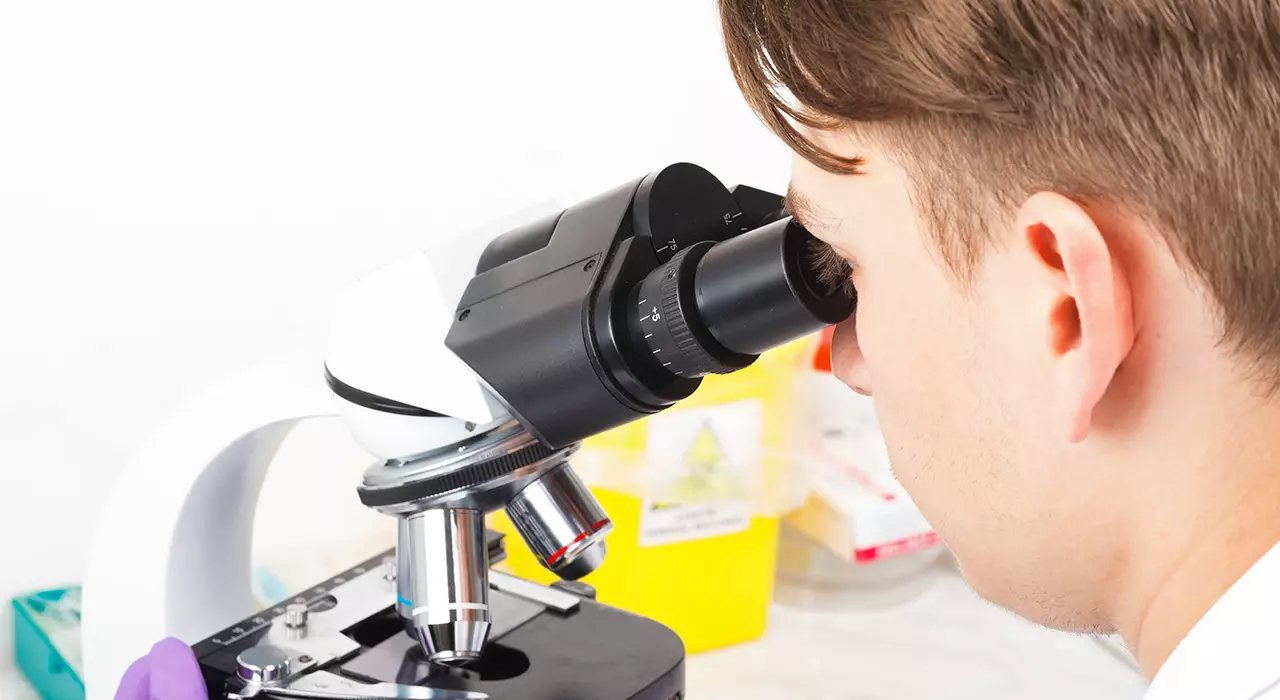
Un 100% online que te permitirá compaginar tu labor profesional con tu vida privada, a la vez que aumentas tus conocimientos en este ámbito"
Syllabus
The structure of the content has been designed by the best professionals in the Higher Education sector, with extensive experience and recognized prestige in the profession, backed by the volume of cases reviewed, studied, and diagnosed, and with extensive knowledge of new technologies applied to teaching.

This Postgraduate diploma in Higher Education contains the most complete and updated scientific program on the market”
Module 1. Higher Education
1.1. Historical Summary of the Development of Universities
1.1.1. The First Universities
1.1.2. Cardenal Newman
1.1.3. The Cultural and Educational Contribution of the Middle Ages
1.1.4. Knowledge of the Cloisters: Cathedral and Monastic Schools
1.1.5. The University of the 20th Century
1.1.6. Adoption of the Notion of Networking in the Academic Field
1.2. The Concept of University
1.2.1. What do you do at University?
1.2.2. Knowledge
1.2.3. What is Taught and How is it Taught?
1.2.4. Research and Support Services
1.2.5. The Critical Role of University
1.2.6. The Intellectual Role of University
1.2.7. Autonomous Universities
1.2.8. Academic Freedom
1.2.9. The University Community
1.2.10. Evaluation Processes
1.3. Higher Education Spaces Worldwide
1.3.1. Globalization: Towards a Change in Higher Education
1.3.2. Social changes and Higher Education Spaces
1.3.3. GUNI Networks
1.3.4. European Space for Higher Education
1.3.5. Higher Education in Latin America
1.3.6. Higher Education Space in Africa
1.3.7. Higher Education Space in Asia and the Pacifics
1.3.8. Tempus Project
1.4. The Bologna Process: European Space for Higher Education (ESHE)
1.4.1. Origin of ESHE
1.4.2. The Soborna Declaration
1.4.3. The Salamanca Convention and the Bologna Process
1.4.4. Materialization of the Tuning Project Proposal in Europe
1.4.5. Redefining the Syllabus
1.4.6. New Credit Transfer and Accumulation System
1.4.7. The Concept of Competence
1.4.8. Student Exchange and Mobility
1.4.9. ESHE within the Process of Globalization of Higher Education
1.4.10 Experiences and Research in ESHE
1.5. Ibero-American Knowledge Space
1.5.1. Ibero-American University Cooperation in the Field of Higher Education
1.5.2. Launching of the Ibero-American Higher Education Area
1.5.3. Opportunities, Initiatives and Detected Obstacles
1.5.4. Institutions and Entities Involved
1.5.5. Materialization of the Tuning Project Proposal in Ibero-America
1.5.6. Ibero-American Initiative for Social Communication and Scientific Culture
1.5.7. Science and Technology for Development (CYTED) Program
1.5.8. Pablo Neruda Mobility Program
1.5.9. Ibero-American Program for Industrial Property and Promotion of Development (IBEPI)
1.5.10 Euro-American Cooperation in Higher Education
1.6. Education Models in Higher Education
1.6.1. The Concept of the Education Model
1.6.2. Influence of the Education Model on the University Academic Model
1.6.3. Coherence of the Education Model with the Vision and Mission of the University
1.6.4. The Pedagogical Foundation of Education Models
1.6.5. Educational Psychologist Theories Which Support the Education Model
1.6.6. Ken Robinson Education Model
1.6.7. John Taylor Gatto Education Model
1.6.8. Towards a New Comprehensive Model
1.6.9. The Education Model Based on Skills
1.6.10 The Internet in the Pedagogical Paradigm of Higher Education
1.7. The University Organization
1.7.1. The Structure of a University as an Organization
1.7.2. Coordination of Work in an Organization
1.7.3. Constituent Parts of an Organization
1.7.4. Core Members of a University
1.7.5. Fields of Action in the University Organization
1.7.6. Role of a University Professor
1.7.7. Skills Training: Object of University Teaching
1.7.8. The Transmission of Knowledge
1.7.9. University Organization, Governance and Leadership
1.7.10. University Management
1.8. The Virtual Campus in Higher Education
1.8.1. E-learning Scenarios and Elements
1.8.2. E-learning Platforms
1.8.3. B-Learning
1.8.4. Mentoring
1.8.5. Blended learning
1.8.6. Flipped Classroom
1.8.7. Mastery Learning
1.8.8. TPACK Model
1.8.9. MOOCs
1.8.10 Mobile Learning
1.9. Scientific Dissemination and Popularization on the Internet
1.9.1. How to Diffuse Scientific Information on the Internet
1.9.2. Scientific Dissemination in the Academic Environment
1.9.3. Dissemination VS Disclosure
1.9.4. Visibility and Accessibility in Scientific Work
1.9.5. Tools for Increasing Visibility
1.9.6. Open Access
1.9.7. Public Profile of Research Personnel
1.9.8. General Social Networks and their Application in Scientific Dissemination
1.9.9. Scientific Social Networks
1.9.10 Dissemination Through Blogs
1.10. Self-management of Academic Writing
1.10.1. Epistemic and Pedagogical Function of Writing
1.10.2. Academic and Communicative Function of Writing
1.10.3. Cognitive Focus of Learning
1.10.4. The Technique of Writing a Text
1.10.5. Organization of an Argument
1.10.6. Coherence and Cohesion Mechanisms of a Text
1.10.7. Academic Work
1.10.8. Research Articles
Module 2. Educational Research Methodology
2.1. Basic Notions of Investigation: Science and the Scientific Method
2.1.1. Definition of the Scientific Method
2.1.2. Analytical Method
2.1.3. Synthetic Method
2.1.4. Inductive Method
2.1.5. Cartesian Thought
2.1.6. Rules of the Cartesian Method
2.1.7. Methodical Doubt
2.1.8. The First Cartesian Principle
2.1.9. Induction Procedures According to J. Mill Stuart
2.2. The General Process of Research: Quantitative and Qualitative Focus
2.2.1. Epistemological Assumptions
2.2.2. Approach to Reality and the Object of Study
2.2.3. Subject-Object Relationship
2.2.4. Objectivity
2.2.5. Methodological Processes
2.2.6. Integration of Methods
2.3. Research Paradigms and Methods Derived from These
2.3.1. How Do Research Ideas Arise?
2.3.2. What to Research in Education?
2.3.3. Research Problem Statement
2.3.4. Background, Justification and Research Objectives
2.3.5. Theoretical Foundation
2.3.6. Hypotheses, Variables and Definition of Operational Concepts
2.3.7. Choosing a Research Design
2.3.8. Sampling in Quantitative and Qualitative Studies
2.4. Phases and Stages of Qualitative Research
2.4.1. Phase 1: Conceptual Phase
2.4.2. Phase 2: Planning and Design Phase
2.4.3. Phase 3: Empirical Phase
2.4.4. Phase 4: Analytical Phase
2.4.5. Phase 5: Diffusion Phase
2.5. Types of Quantitative Research
2.5.1. Historical Research
2.5.2. Correlation Research
2.5.3. Case Studies
2.5.4. “Ex Post Facto” Research of Completed Events
2.5.5. Quasi-Experimental Research
2.5.6. Experimental Research
2.6. Phases and Stages of Qualitative Research
2.6.1. Phase 1: Preparation Phase
2.6.2. Phase 2: Field Phase
2.6.3. Phase 3: Analytical Phase
2.6.4. Phase 4: Informative Phase
2.7. Types of Qualitative Research
2.7.1. Ethnography
2.7.2. Grounded Theory
2.7.3. Phenomenology
2.7.4. The Biographical Method and Life History
2.7.5. The case study
2.7.6. Content Analysis
2.7.7. Examination of Speech
2.7.8. Participatory Action Research
2.8. Techniques and Instruments for Collecting Quantitative Data
2.8.1. The Structured Interview
2.8.2. The Structured Questionnaire
2.8.3. Systematic Observation
2.8.4. Attitude Scales
2.8.5. Statistics
2.8.6. Secondary Sources of Information
2.9. Techniques and Instruments for Collecting Qualitative Data
2.9.1. Unstructured Interview
2.9.2. In Depth Interview
2.9.3. Focus Groups
2.9.4. Simple, Unregulated and Participant Observation
2.9.5. Life Stories
2.9.6. Diaries
2.9.7. Content Analysis
2.9.8. The Ethnographic Method
2.10. Data Quality Control
2.10.1. Requirements for a Measuring Instrument
2.10.2. Processing and Analysis of Quantitative Data
2.10.3. Validation of Quantitative Data
2.10.4. Statistics for Data Analysis
2.10.5. Descriptive Statistics
2.10.6. Inferential Statistics
2.10.7. Processing and Analysis of Qualitative Data
2.10.7.1. Reduction and Characterization
2.10.7.2. Clarify, Refine and Compare
2.10.7.3. Programs for Qualitative Analysis of Textual Data
Module 3. Thesis and Scientific Research Project Supervision, University Student Guidance
3.1. Motivating University Students to Get Involved in Research
3.1.1. Introduction to Investigative Practice
3.1.2. Gnoseology or Theory of Knowledge
3.1.3. Scientific Research and its Foundations
3.1.4. Research-Oriented Motivation
3.2. Basic Student Training for Research Activity
3.2.1. Initiation in Research Methods and Techniques
3.2.2. Elaboration of Quotes and Bibliographic References
3.2.3. The Use of New Technologies in Information Searching and Management
3.2.4. Research Reports. Structure, Characteristics and Standards of Development
3.3. Requirements for the Management of Research Projects
3.3.1. Initial Guidance for Research Practice
3.3.2. Responsibilities in the Supervision of Theses and Research Projects
3.3.3. Introduction to Scientific Literature
3.4. The Approach to the Topic and the Study of the Theoretical Framework
3.4.1. The Research Topic
3.4.2. Objectives of the Research
3.4.3. Document Sources and Research Techniques
3.4.4. Structure and Boundaries of the Theoretical Framework
3.5. Research Designs and the Hypothesis System
3.5.1. Types of Studies in Research
3.5.2. Research Designs
3.5.3. Hypothesis: Types and Characteristics
3.5.4. Variables in Research
3.6. Research Methods, Techniques and Instruments
3.6.1. Population and Sample
3.6.2. Sampling
3.6.3. Methods, Techniques and Instruments
3.7. Planning and Supervision of Student Activity
3.7.1. Research Plan Development
3.7.2. Research Activity Document
3.7.3. Schedule of Activities
3.7.4. Tracking and Monitoring of Students
3.8. Supervision of Scientific Research Projects
3.8.1. Promoting Research Activity
3.8.2. Encouragement and Creation of Opportunities for Enrichment
3.8.3. Resources and Presentation Techniques
3.9. Supervision of Master’s Final Projects and Doctoral Dissertations
3.9.1. Supervision of Master’s Final Projects and Doctoral Dissertations as a Pedagogical Practice
3.9.2. Mentoring and Career Planning
3.9.3. Characteristics and Structure of Master’s Final Projects
3.9.4. Characteristics and Structure of Doctoral Dissertations
3.10. Committing to Disseminating Results. The True Impact of Scientific Research
3.10.1. Instrumentalization of Research Work
3.10.2. Toward a Meaningful Impact of Research Activity
3.10.3. Byproducts of Research Projects
3.10.4. Dissemination and Communication of Knowledge

A complete training that will take you through the knowledge you need to compete among the best"
Postgraduate Diploma in Higher Education
In higher education, professors encounter students who seek innovative content and methodologies that challenge their critical thinking abilities. Additionally, these young individuals need to be effectively motivated to reach their maximum intellectual, professional, and vocational potential. Therefore, TECH has developed this Postgraduate Diploma in Higher Education to provide you with the necessary tools and practices to refine your educational methodology and ensure that your classes become a space for growth for all students.
Motivate your students to bring out their best version with the keys from this program
The Postgraduate Diploma in Higher Education aims to enhance your skills and competencies in teaching, providing you with the most recent and effective tools for teaching in this field. In this way, you will motivate students to continue their studies and engage with scientific research, all based on innovative educational strategies. Additionally, this 100% online qualification is logically organized and features a combination of theoretical materials, practical examples, and motivational videos. This undoubtedly facilitates mastery of the concepts related to university education.