
University certificate







The world's largest faculty of psychology”
Introduction to the Program
Implementing into your practice the most effective therapeutic techniques for psychological intervention in emergency situations will become a simple and dynamic task with this 100% online Postgraduate diploma"
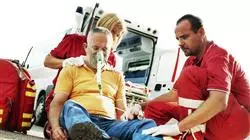
The correct psychosocial development of the victims of emergency situations such as accidents, sudden deaths or catastrophes, once the traumatic event has occurred, depends, to a great extent, on their ability to accept and control their emotions. In the vast majority of cases, people, on their own, are not able to manage correctly what they have experienced, generating stress and anxiety related to the after-effects of the traumatic event and anxiety related to post-traumatic sequelae.
That is why the immediate intervention of psychology professionals should be a priority to be considered when a context occurs which, due to its characteristics, can seriously affect the patient's mental health. And in order that these specialists can have a program that allows them to catch up on the most innovative and effective techniques for this, TECH and its team of versed in the area have decided to develop a qualification that contemplates all these aspects.
Thus arises the Postgraduate diploma in Therapeutic Techniques in Emergency Psychology, a complete and dynamic training that collects the most comprehensive information on the latest advances that have been made in this field. Through 600 hours of theoretical, practical and additional material, graduates will be able to deepen their knowledge of prevention strategies and stress management in emergency situations, as well as crisis therapies for psychotherapeutic intervention with victims of traumatic situations. Finally, they will be able to implement in their professional practice the most effective group techniques to work on the mental strengthening of the interveners (security and health corps).
For this purpose, they will have the best syllabus, prepared by a team of specialists in emergency psychology with a wide and extensive work experience in the participation in crisis contexts. Although undoubtedly, the most significant feature of this program is its convenient and accessible 100% online format, which will allow graduates to perfect their professional skills in a guaranteed way, without face-to-face classes or restricted schedules.
A qualification designed by experts in Emergency Psychology with which you can delve into the ins and outs of prevention strategies innovative stress management”
This Postgraduate diploma in Therapeutic Techniques in Emergency Psychology contains the most complete and up-to-date program on the market. The most important features include:
- The development of practical cases presented by experts in Emergency Psychology
- The graphic, schematic, and practical contents with which they are created, provide scientific and practical information on the disciplines that are essential for professional practice
- Practical exercises where the self-assessment process can be carried out to improve learning
- Its special emphasis on innovative methodologies
- Theoretical lessons, questions to the expert, debate forums on controversial topics, and individual reflection assignments
- Content that is accessible from any fixed or portable device with an Internet connection
Would you like to be able to offer a therapeutic service for interveners? Choose this Postgraduate diploma and delve into the group and individual techniques that have had the best results to date”
The program includes, in its teaching staff, professionals from the sector who bring to this program the experience of their work, in addition to recognized specialists from prestigious reference societies and universities.
Its multimedia content, developed using the latest educational technology, will enable
contextual and situated learning, i.e., a simulated environment that will provide immersive education programmed to learn in real situations.
The design of this program focuses on Problem-Based Learning, by means of which professionals will have to try to solve the different professional practice situations that will be posed to them throughout the educational course. For this purpose, the student will be assisted by an innovative interactive video system created by renowned and experienced experts.
In only 6 months, you will have perfected your professional competencies in the psychological management of crisis situations"

A qualification adapted to you, to your needs and to your needs and those of your sector: no on-site classes or restricted schedules"
Syllabus
This Postgraduate diploma consists of 600 hours of the best and most innovative theoretical, practical and additional content. The latter is presented in different formats: detailed videos, research articles, complementary readings, self-knowledge exercises, dynamic summaries, etc. All this compacted in a 100% online training through which, in only 6 months, psychology specialists will see their knowledge expanded, being able to work, in a guaranteed way, in the improvement of their professional competences for intervention in emergency situations.

An innovative program with which you will be able to work, in addition, on future expectations related to psychological intervention in crisis situations"
Module 1. Prevention and Management of Stress in Emergency Situations
1.1. Characteristics of Emergency Situations, Influencing Factors and Critical Psychological Impact Situations
1.1.1. Introduction to Psychological Impact
1.1.2. Characteristics of Emergency Situations Influencing Psychological Impact
1.2. Psychological Impact on the Professional
1.2.1. Trauma
1.2.2. Vicarious Traumatization
1.2.3. Disaster
1.2.4. Relationship between Trauma and Disaster
1.3. Protective and Risk Factors in Trauma
1.3.1. Protective Factors in Trauma
1.3.2. Risk Factors in Trauma
1.4. Coping
1.4.1. Empathy Fatigue
1.4.2. Prevention
1.4.3. Adaptation Mechanisms
1.5. Consequences of Psychological Impact
1.5.1. Main Consequences of Psychological Impact
1.5.2. Psychological Impact as a Factor in Post-traumatic Stress Disorder
1.5.3. Treatment
1.6. Occupational Stress
1.6.1. Conceptualization of Stress
1.6.2. Risk Factors in Stress
1.6.3. Consequences of Occupational Stress
1.7. Effects of Stress on Emergency Personnel
1.7.1. Sources of Stress in Emergency Personnel
1.7.2. Factor Affecting of Stress in Emergency Personnel
1.7.3. Effects of Stress on Emergency Personnel
1.8. Pathologies that may Arise
1.8.1. Post-Traumatic Stress and Secondary Post-Traumatic Stress
1.8.2. Burnout Syndrome
1.8.3. Countertransference
1.9. Pathologies in Emergency Personnel
1.9.1. Post-Traumatic Stress and Secondary Post-Traumatic Stress
1.9.2. Burnout Syndrome
1.9.3. Countertransference
1.9.4. Differences
1.10. General Techniques and Healthy Habits
1.10.1. General Techniques for Stress Prevention and Management
1.10.2. Healthy Habits as an Influential Factor
1.10.3. Sleep
Module 2. Group Techniques for Intervention with First Responders
2.1. The First Responders
2.1.1. The First Responder
2.1.2. Types of First Responders
2.1.3. The Importance of Intervention
2.2. Group Techniques vs. Individual Techniques
2.2.1. Introduction to the Concept of Group Techniques vs. Individual Techniques
2.2.2. Main Group Techniques for Intervention with First Responders
2.2.3. Main Individual Techniques for Intervention with First Responders
2.3. Physiological Stress Management Techniques
2.3.1. Main Physiological Stress Management Techniques
2.3.2. Efficacy of Physiological Stress Management Techniques
2.3.3. New Physiological Stress Management Techniques
2.4. Cognitive-Behavioral Techniques for Stress Management
2.4.1. Introduction to Cognitive-Behavioral Techniques
2.4.2. Main Cognitive-Behavioral Techniques for Stress Management
2.5. When to Do Group Intervention with First Responders
2.5.1. The Importance of Group Intervention
2.5.2. Advantages of Group Intervention
2.5.3. When is Group Intervention with First Responders Appropriate?
2.5.4. Risks of Group Intervention
2.6. Peer Support Systems
2.6.1. Introduction to the Concept of Peer Support Systems
2.6.2. Types of Peer Support Systems
2.6.3. Application in Children and Teenagers
2.7. Defusing
2.7.1. What is Defusing?
2.7.2. Technique Objectives
2.7.3. Advantages and Disadvantages of Defusing
2.8. Debriefing
2.8.1. What is Debriefing?
2.8.2. Technique Objectives
2.8.3. Technique Stages
2.8.4. Advantages and Disadvantages of Debriefing
2.9. Relaxation
2.9.1. What is Relaxation?
2.9.2. Technique Objectives
2.9.3. Advantages and Disadvantages
2.10. Demobilization
2.10.1. What is Demobilization?
2.10.2. Technique Objectives
2.10.3. Advantages and Disadvantages
Module 3. Crisis Therapy Psychotherapeutic Intervention with Victims of Traumatic Situations
3.1. Trauma
3.1.1. Trauma
3.1.2. Main Types of Trauma
3.1.3. Post-Traumatic Stress Disorder
3.2. The Traumatic Event
3.2.1. Initial Reactions to Trauma
3.2.2. Secondary Reactions to Trauma
3.2.3. Explanatory Models
3.3. Trauma Assessment
3.3.1. How is Trauma Assessed?
3.3.2. Main Trauma Assessment Tools and Instruments
3.4. Long-Term Effects of Trauma on the Victim
3.4.1. Short-Term Effects vs. Long-Term Effects
3.4.2. Main Long-Term Effects of Trauma
3.5. Risks of Poor Intervention
3.5.1. Features of Poor Intervention
3.5.2. General Consequences of a Poor Intervention
3.5.3. Specific Consequences of a Poor Intervention
3.6. Crisis Therapy vs. Crisis Intervention
3.6.1. Introduction to Crisis Therapy
3.6.2. Introduction to Intervention in Crisis
3.6.3. Keys Considerations and Principles of Crisis Therapy
3.6.4. Objectives of Crisis Therapy
3.7. Primary and Secondary Intervention
3.7.1. What is Primary Intervention?
3.7.2. Principles and Key Considerations for Primary Intervention
3.7.3. What is Secondary Intervention?
3.7.4. Principles and Key Considerations for Secondary Intervention
3.8. Ellis’ Rational Emotive Therapy
3.8.1. Introduction to Ellis' Rational Emotive Therapy
3.8.2. Uses of Ellis' Rational Emotive Therapy
3.8.3. Advantages and Disadvantages of Ellis' Rational Emotive Therapy
3.9. Coping Styles
3.9.1. Types of Coping Styles
3.9.2. Dysfunctional Coping Mechanisms for Trauma
3.10. Resilience
3.10.1. Resilience: Concept and Characteristics
3.10.2. Protective Factors and Resilience Enablers
3.10.3. Harmful or Anti-Resilient Factors
Module 4. The Crisis Intervention Team
4.1. Profile of the Psychologist in a Crisis Intervention Team
4.1.1. The Emergency and Urgent Care Psychologist in Crisis
4.1.2. Key Characteristics of the Psychologist in a Crisis Intervention Team
4.1.3. The Role of the Psychologist in a Crisis Intervention Team
4.2. Other Roles within a Crisis Intervention Team
4.2.1. Structure of Crisis Intervention Teams
4.2.2. Types of Professionals within a Crisis Intervention Team
4.2.3. Management and Coordination of Crisis Intervention Teams
4.3. Early Warning
4.3.1. Prudent Attitudes
4.3.2. Population Preparation
4.3.3. Preparation of the Intervention Team
4.4. Crisis
4.4.1. Crisis
4.4.2. Types of Crisis
4.4.3. Reaction
4.5. The Event
4.5.1. General Event Appraisal
4.5.2. Intervention Levels
4.5.3. General Event Organization
4.6. Guidelines to Ensure Effective Teamwork
4.6.1. Introduction to Teamwork
4.6.2. Characteristics of Effective Teamwork
4.6.3. Guidelines to Ensure Effective Teamwork
4.7. The Importance of Building Trust and Safety for Effectiveness
4.7.1. Introduction to the Concept of Trust and Safety in Psychological Intervention
4.7.2. Tools and Techniques for Trust and Safety Creation
4.7.3. The Role of the Psychologist in Building Trust and Safety in Therapy and Psychological Intervention
4.8. Conflict Resolution within the Team
4.8.1. Types of Conflict in the Team
4.8.2. Techniques and Tools for Conflict Resolution within the Team
4.8.3. The Process of Conflict Resolution within the Team
4.9. Communication and Media Relations
4.9.1. Communication in Crisis Intervention
4.9.2. The media
4.9.3. Communication of Emergencies and Disasters with the Media
4.10. Present Situation and the Future of Crisis Intervention
4.10.1. Present Situation of Crisis Intervention
4.10.2. The Future of Crisis Intervention and Emergency and Urgent Care Psychology

Enroll in this Postgraduate diploma and demonstrate your commitment to patients through a qualification that will allow you to increase their chances of psychological recovery"
Postgraduate Diploma in Therapeutic Techniques in Emergency Psychology
In emergency situations, such as accidents, sudden deaths or catastrophes, the correct psychosocial development of victims depends to a large extent on their ability to accept and control their emotions. In many cases, people cannot adequately handle what they have experienced, which can generate stress and anxiety related to post-traumatic sequelae. For this reason, the immediate intervention of psychologists is crucial to ensure good mental health of the patient, leading to the need for these professionals to have cutting-edge skills in the management of these circumstances. Motivated by this, TECH has designed the Postgraduate Diploma in Therapeutic Techniques in Emergency Psychology, which will allow you to be up to date on the most innovative and effective strategies to control these emergency situations.
Get up to date in Emergency Psychology and grow professionally
Do you want to know the up-to-date strategies for the prevention and management of stress in emergency situations, crisis therapies for psychotherapeutic intervention with victims of traumatic situations and the most effective group techniques to strengthen the minds of those involved? Take this Postgraduate Diploma in Therapeutic Techniques in Emergency Psychology and obtain this knowledge 100% online and without inconvenient schedules! In addition, you will enjoy a syllabus developed by a team of specialists in Emergency Psychology with extensive professional experience in crisis contexts.