
University certificate







The world's largest faculty of education”
Introduction to the Program
Reading, language, languages and learning in the school context a hearing and visual difficulties approach”

The work in neuropsychology is complex. It covers a broad spectrum of intervention that requires the professional to have very specific training in the various branches of brain development. This discipline, deeply linked to neurology and the physiological study of the brain, is affected by the changes that the evolution of knowledge in this scientific branch achieves. For professionals, this means an intense challenge of permanent updating that allows them to be at the forefront in terms of the approach, intervention and follow-up of the cases that may arise in their classrooms.
Throughout this training, students will go through all the current approaches in neuropsychology work regarding the different challenges that the profession presents.
The functioning of memory, language, the relationship between laterality and cognitive development, sensoriality and many other aspects, will be the topics of work and study that the student will be able to integrate in their training. A high-level step that will become a process of improvement, not only on a professional level, but also on a personal level.
This challenge is one of TECHTechnological University’s social commitments: to help highly qualified professionals train and develop their personal, social and work skills during the course of their studies.
We will not only take you through the theoretical knowledge we offer, but we will introduce you to another way of studying and learning, one which is simpler, more organic and more efficient. We will work to keep you motivated and to create in you a passion for learning. And we will push you to think and develop critical thinking.
A training program created for professionals who aspire for excellence, and that will enable you to acquire new skills and strategies easily and effectively”
A high level of scientific training, supported by advanced technological development and teaching experience of the best professionals. These are some of its differential qualities:
- The latest technology in online teaching software
- A highly visual teaching system, supported by graphic and schematic contents that are easy to assimilate and understand
- Practical cases presented by practicing experts
- State-of-the-art interactive video systems
- Teaching supported by telepractice
- Continuous updating and recycling systems
- Autonomous learning: full compatibility with other occupations
- Practical exercises for self-evaluation and learning verification
- Support groups and educational synergies: questions to the expert, debate and knowledge forums
- Communication with the teacher and individual reflection work
- Availability of content from any device, fixed or portable, with an Internet connection
- Supplementary documentation databases are permanently available, even after the course
Detecting and intervening in auditory and visual difficulties is one of the key processes in the success of neuropsychology work”
Our teaching staff is made up of working professionals. In this way, we ensure that we provide you with the training update we are aiming for. A multidisciplinary team of professors with training and experience in different settings, who will develop theoretical knowledge effectively, but, above all, will bring their practical knowledge derived from their own experience to the course: one of the differential qualities of this Postgraduate certificate.
This mastery of the subject is complemented by the effectiveness of the methodology used in the design of this course. Developed by a multidisciplinary team of e-learning experts, it integrates the latest advances in educational technology. This way, you will be able to study with a range of comfortable and versatile multimedia tools that will give you the operability you need in your training.
The design of this program is based on Problem-Based Learning: an approach that conceives learning as a highly practical process. To achieve this remotely, we will use telepractice learning: with the help of an innovative interactive video system, and learning from an expert, you will be able to acquire the knowledge as if you were actually dealing with the scenario you are learning about. A concept that will allow you to integrate and fix learning in a more realistic and permanent way.
The working methods in modern neuropsychology developed in an intensive and concrete way"
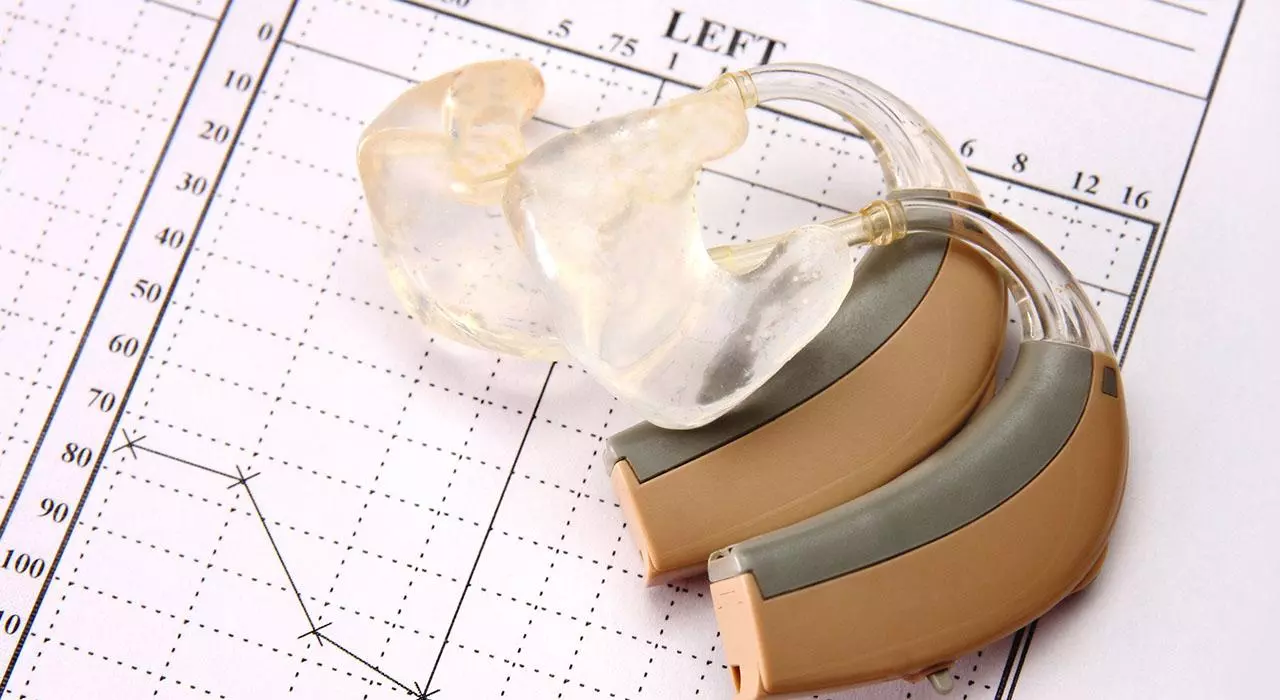
Learning how to work and promote literacy in people with visual and hearing difficulties is key to the work in schools: do not be left behind"
Syllabus
The contents of this training program have been developed by the different professors on the course with a clear purpose: to ensure that our students acquire each and every one of the necessary skills to become true experts in this field.
The content of this course enables you to learn all aspects in the different disciplines involved in this field: A complete and well-structured program that will take you to the highest standards of quality and success.

Access specific intervention developments in the area of visual and auditory functionality in just a few weeks of intensive training”
Module 1. Visual and Auditory Functionality for Reading, Language, Languages and Learning
1.1. Vision: Functioning and Neuropsychological Bases
1.1.1. Introduction
1.1.2. Development of the Visual System at Birth
1.1.3. Risk factors
1.1.4. Development of Other Sensory Systems During Infancy
1.1.5. Influence of Vision on the Visuomotor System and its Development
1.1.6. Normal and Binocular Vision
1.1.7. Anatomy of Human Eyes
1.1.8. Eye Functions
1.1.9. Other Functions
1.1.10. Visual Pathways to the Cerebral Cortex
1.1.11. Elements that Favor Visual Perception
1.1.12. Vision Diseases and Alterations
1.1.13. Most Common Eye Disorders or Diseases: Classroom Interventions
1.1.14. Computer Vision Syndrome (CVS)
1.1.15. Attitudinal Observation of the Student
1.1.16. Summary
1.1.17. Bibliographical References
1.2. Visual Perception, Assessment and Intervention Programs
1.2.1. Introduction
1.2.2. Human Development: Sensory Systems Development
1.2.3. Sensory Perception
1.2.4. Neurodevelopment
1.2.5. Description of the Perceptual Process
1.2.6. Color Perception
1.2.7. Perception and Visual Skills
1.2.8. Evaluation of Visual Perception
1.2.9. Intervention for the Improvement of Visual Perception
1.2.10. Summary
1.2.11. Bibliographical References
1.3. Tracking Eye Movements
1.3.1. Introduction
1.3.2. Eye Movements
1.3.3. Tracking Eye Movements
1.3.4. Ocular Motility Recording and Assessment
1.3.5. Ocular Motility-Related Disorders
1.3.6. The Visual System and Reading
1.3.7. Development of Skills in Learning to Read
1.3.8. Improvement and Training Programs and Activities
1.3.9. Summary
1.3.10. Bibliographical References
1.4. Saccadic Movements and Their Implication in Reading
1.4.1. Introduction
1.4.2. Models of the Reading Process
1.4.3. Saccadic Movements and Their Relation to Reading
1.4.4. How are Saccadic Movements Evaluated?
1.4.5. The Reading Process at the Visual Level
1.4.6. Visual Memory in the Reading Process
1.4.7. Investigations to Study the Relationship Between Visual Memory and Reading
1.4.8. Reading Difficulties
1.4.9. Specialized Teachers
1.4.10. Social Educators
1.4.11. Summary
1.4.12. Bibliographical References
1.5. Visual Accommodation and its Relation to Posture in the Classroom
1.5.1. Introduction
1.5.2. Mechanisms that Allow for Accommodation or Focus
1.5.3. How is Visual Accommodation Assessed?
1.5.4. Body Posture in the Classroom
1.5.5. Visual Accommodation Training Programs
1.5.6. Aids for Visually Impaired Students
1.5.7. Summary
1.5.8. Bibliographical References
1.6. Structure and Function of the Ear
1.6.1. Introduction
1.6.2. The World of Sound
1.6.3. Sound and its Propagation
1.6.4. The Auditory Receptors
1.6.5. Ear Structure
1.6.6. Development of the Hearing System at Birth
1.6.7. Development of Sensory Systems during Infancy
1.6.8. Influence of the Ear on Balance Development
1.6.9. Ear Diseases
1.6.10. Summary
1.6.11. Bibliographical References
1.7. Auditory Perception
1.7.1. Introduction
1.7.2. Guidelines for Detecting Auditory Perception Problems
1.7.3. The Perceptive Process
1.7.4. Role of the Auditory Pathways in Perceptual Processes
1.7.5. Children with Impaired Auditory Perception
1.7.6. Evaluation Tests
1.7.7. Summary
1.7.8. Bibliographical References
1.8. Evaluation of Hearing and its Alterations
1.8.1. Introduction
1.8.2. Evaluation of the External Auditory Canal
1.8.3. Otoscopy
1.8.4. Air Audiometry
1.8.5. Bone Conduction Hearing
1.8.6. Curve of the Pain Threshold
1.8.7. Tone Audiometry, Vocal Audiometry and Acoustic Audiometry
1.8.8. Hearing Impairment: Degrees and Types of Hearing Loss
1.8.9. Causes of Hearing Loss
1.8.10. Psychobiological Aspects of Hearing Impairment
1.8.11. Summary
1.8.12. Bibliographical References
1.9. Hearing and Learning Development
1.9.1. Introduction
1.9.2. Development of the Human Ear
1.9.3. Programs, Activities and Games for Auditory Development in Children
1.9.4. Berard Method
1.9.5. Tomatis Method
1.9.6. Visual and Hearing Health
1.9.7. Adaptations of Curricular Elements
1.9.8. Summary
1.9.10. Bibliographical References
1.10. Vision and Hearing Processes Involved in Reading
1.10.1. Introduction
1.10.2. Tracking Eye Movements
1.10.3. The Visual System and Reading
1.10.4. Dyslexia
1.10.5. Color-Based Therapies for Dyslexia
1.10.6. Visual Impairment Aids
1.10.7. Summary
1.10.8. Bibliographical References
1.11. Relationship Between Vision and Hearing in Language
1.11.1. Introduction
1.11.2. Relationship Between Vision and Hearing
1.11.3. Verbal-Auditory and Visual Information Processing
1.11.4. Intervention Programs for Hearing Disorders
1.11.5. Guidelines for Teachers
1.11.6. Summary
1.11.7. Bibliographical References

A comprehensive specialization program that will take you through the necessary training to compete with the best in your profession”
Postgraduate Certificate in Visual and Auditory Functionality for Reading, Language, Languages and Learning
Knowledge about Visual and Auditory Functionality for Reading, Language, Languages and Learning is essential nowadays, as it allows early detection of possible visual or auditory problems in students and an appropriate intervention to improve learning and school performance. In addition, with the increasing demand for language learning, it is important to have professionals trained to detect and treat vision and hearing problems that may affect the learning of a foreign language. Likewise, this knowledge is also important for the development of appropriate teaching materials and resources that take into account the visual and auditory needs of students. Taking the Postgraduate Certificate in Visual and Auditory Functionality for Reading, Language, Languages and Learning of TECH will provide you with professional opportunities in the educational, health and social fields. Knowing the characteristics and development of the organs of vision and hearing will enable you to detect and assess visual and hearing problems in students and to apply techniques and training programs to improve visual perception and hearing, as well as to improve the skills necessary for learning reading, language and languages.
Expand your talent with the ultimate degree
Upon completion of this degree you will be able to develop projects and training programs for the prevention of visual and hearing problems in the child population, and work in associations and foundations that promote the social inclusion of people with sensory disabilities. Studying the Postgraduate Certificate in Visual and Auditory Functionality for Reading, Language, Languages and TECH Learning 100% online will give you the flexibility to adapt the course to your schedule and pace of life, as well as the opportunity to access a constantly growing labor market in the digital age.