
University certificate







The world's largest faculty of veterinary medicine”
Introduction to the Program
La rehabilitación equina es una disciplina en auge que precisa de profesionales capacitados para atender a los caballos”
La Postgraduate diploma en Equine Rehabilitation Therapeutics aborda esta disciplina desde la experiencia de varios especialistas en rehabilitación acreditados a nivel internacional, incluyendo información que no se puede encontrar en ningún otro programa online o presencial, con un cuadro docente de altísimo nivel.
Cuando se habla de fisioterapia equina, la terapia manual es una de las principales modalidades de tratamiento, aportando flexibilidad, analgesia, relajación muscular y muchos otros efectos positivos sobre los tejidos, además de ser uno de los tratamientos más apreciados durante la competición.
Esta terapia engloba un conjunto de técnicas muy variadas y con diferentes efectos sobre los tejidos, incluyendo desde el masaje, técnicas miofasciales, estiramientos a manipulaciones articulares. Todas estas técnicas se aplican en los diferentes protocolos de rehabilitación, así como en el mantenimiento físico de caballos de deporte, por lo que es imprescindible su conocimiento en profundidad.
En esta capacitación también se abordará todo lo relacionado con los medios electrofísicos que van a ayudar a tratar y prevenir lesiones como especialistas en fisioterapia y rehabilitación equina. La mayoría del equipamiento que se va a analizar supone una inversión importante para el veterinario fisioterapeuta, por lo que es necesario entender sus fundamentos científicos, conocer sus efectos y aplicaciones desde un punto de vista terapéutico, para poder escoger las terapias más adecuadas según la casuística de nuestra práctica clínica.
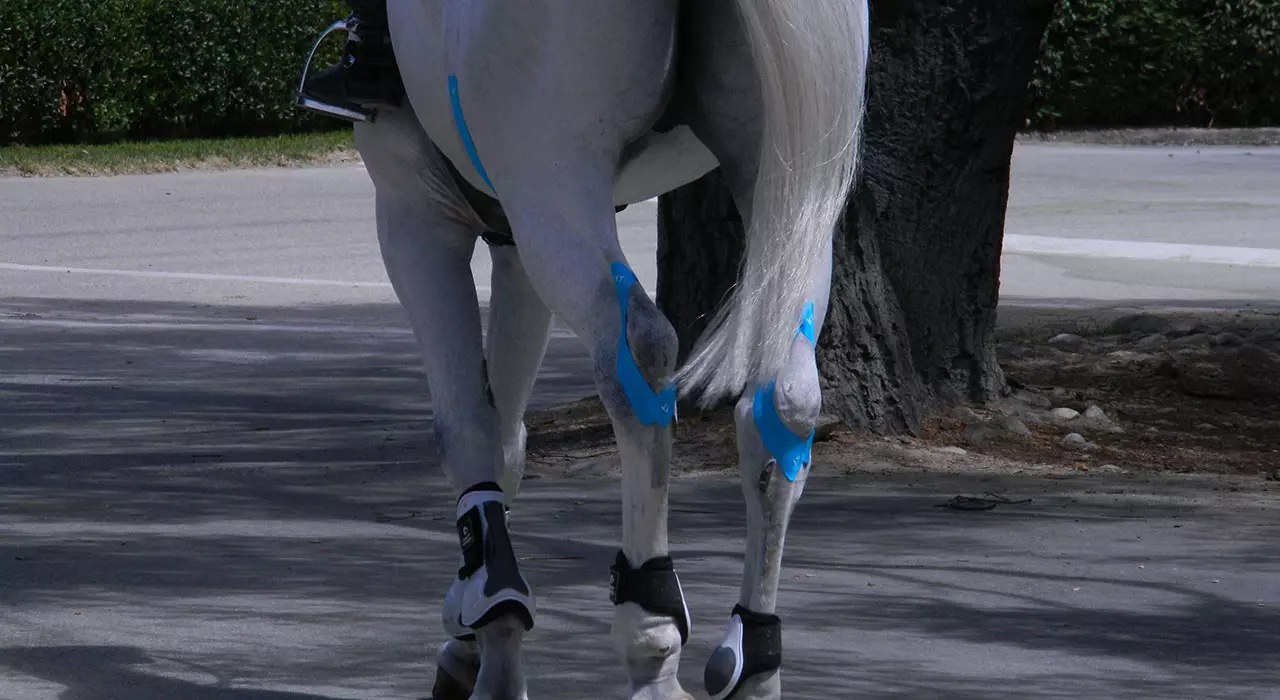
Además, hay que tener en cuenta que el desarrollo y mantenimiento de la capacidad deportiva en los caballos es esencial debido al incremento en popularidad de las diferentes disciplinas deportivas. Esto ha dado lugar a un incremento de la demanda de terapias complementarias, incluyendo modalidades como la acupuntura, el vendaje neuromuscular y la manipulación espinal, entre otras.
Esta Postgraduate diploma proporciona al alumno herramientas y habilidades especializadas para que desarrolle con éxito su actividad profesional, trabaja competencias claves como el conocimiento de la realidad y práctica diaria del profesional veterinario, y desarrolla la responsabilidad en el seguimiento y supervisión de su trabajo, así como habilidades de comunicación dentro del imprescindible trabajo en equipo.
No dejes pasar la oportunidad de realizar con nosotros esta Postgraduate diploma en Equine Rehabilitation Therapeutics. Es la oportunidad perfecta para avanzar en tu carrera”
Esta Postgraduate diploma en Equine Rehabilitation Therapeutics contiene el programa científico más completo y actualizado del mercado. Sus características más destacadas son:
- El desarrollo de casos prácticos presentados por expertos en fisioterapia y rehabilitación equina
- Los contenidos gráficos, esquemáticos y eminentemente prácticos con los que están concebidos recogen una información científica y práctica sobre aquellas disciplinas indispensables para el ejercicio profesional
- Las novedades sobre Terapéutica en Rehabilitación Equina
- Los ejercicios prácticos donde realizar el proceso de autoevaluación para mejorar el aprendizaje
- Su especial hincapié en metodologías innovadoras en Terapéutica en Rehabilitación Equina
- Las lecciones teóricas, preguntas al experto, foros de discusión de temas controvertidos y trabajos de reflexión individual
- La disponibilidad de acceso a los contenidos desde cualquier dispositivo fijo o portátil con conexión a internet
Esta Postgraduate diploma es la mejor inversión que puedes hacer en la selección de un programa de actualización para poner al día tus conocimientos en Equine Rehabilitation Therapeutics”
Incluye en su cuadro docente a profesionales pertenecientes al ámbito veterinario, que vierten en esta capacitación la experiencia de su trabajo, además de reconocidos especialistas de sociedades de referencia y universidades de prestigio.
Su contenido multimedia, elaborado con la última tecnología educativa, permitirá al profesional un aprendizaje situado y contextual, es decir, un entorno simulado que proporcionará una especialización inmersiva programada para entrenarse ante situaciones reales.
El diseño de este programa se centra en el Aprendizaje Basado en Problemas, mediante el cual el especialista deberá tratar de resolver las distintas situaciones de práctica profesional que se le planteen a lo largo del curso académico. Para ello, el profesional contará con la ayuda de un novedoso sistema de vídeo interactivo realizado por reconocidos expertos en Terapéutica en Rehabilitación Equina, y con gran experiencia.
Esta capacitación cuenta con el mejor material didáctico, lo que te permitirá un estudio contextual que te facilitará el aprendizaje"
Esta Postgraduate diploma 100% online te permitirá compaginar tus estudios con tu labor profesional a la vez que aumentas tus conocimientos en este ámbito"
Syllabus
The syllabus has been designed by the best Equine Rehabilitation professionals, with extensive experience and high standing within the profession, backed by a large volume of cases reviewed, studied, and diagnosed, and extensive knowledge of new technologies applied to veterinary care.

We have the most complete and up-to-date academic program in the market. We strive for excellence and for you to achieve it too"
Module 1. Manual Therapy
1.1. Introduction to Manual Therapy and Kinesiotherapy
1.1.1. Definition of Manual Therapy and Kinesiotherapy
1.1.2. Types of Kinesiotherapy
1.1.3. Technical Aspects
1.1.4. Horse Application
1.2. Joint Mobilizations of the Extremities
1.2.1. Mobilization of the Distal Portion of the Forelimb
1.2.2. Mobilization of the Proximal Portion of the Forelimb
1.2.3. Mobilization of the Distal Portion of the Forelimb
1.2.4. Mobilization of the Proximal Portion of the Forelimb
1.3. Joint Mobilizations of the Axial Skeleton
1.3.1. TMJ Mobilization
1.3.2. Cervical Mobilization
1.3.3. Thoracolumbar Mobilization
1.3.4. Lumbosacral Mobilization
1.3.5. Sacroiliac Mobilization
1.3.6. Tail Mobilization
1.4. Musculoskeletal Stretching
1.4.1. Introduction
1.4.2. Types of Musculoskeletal Stretching
1.4.3. Osteoarticular Postures
1.4.4. Forelimb Stretches
1.4.5. Hind Limb Stretches
1.4.6. Axial Structure Stretching
1.4.7. Horse Application
1.5. Massage Therapy
1.5.1. Introduction and Types of Massage Therapy
1.5.2. Massage Therapy Techniques
1.5.3. Massage Effects and Applications
1.5.4. Horse Application
1.6. Myofascial Manual Therapy
1.6.1. Introduction, Concept of Fascia and Fascial System in the Horse
1.6.2. Myofascial Therapy Techniques
1.6.3. Application in Horses
1.7. Trigger Points: Definition and Implications
1.7.1. Definition and Classification of Trigger Points
1.7.2. Effects and Characteristics of Trigger Points
1.7.3. Origin and Causes of Trigger Points
1.7.4. Implications of Chronic Pain
1.7.5. Implications of Myofascial Pain in Sports
1.8. Trigger Point Treatment
1.8.1. Manual Techniques
1.8.2. Dry Needling
1.8.3. Cryotherapy and Application of Electro-Physical Agents
1.8.4. Horse Application
1.9. Manipulative Therapy I
1.9.1. Introduction
1.9.2. Terminology
1.9.2.1. Joint Locking or Fixation
1.9.2.2. Handling and Adjustment
1.9.2.3. Joint Range of Motion (ROM)
1.9.3. Description of the Manual Handling Technique
1.9.3.1. Hand Posture
1.9.3.2. Body Posture
1.9.3.3. Description of Settings
1.9.4. Security Considerations
1.9.5. Sacropelvic Area
1.9.5.1. Sacro
1.9.5.2. Pelvis
1.9.6. Lumbar Region
1.10. Manipulative Therapy II
1.10.1. Thoracic Region
1.10.1.1. Thoracic Region
1.10.1.2. Rib Region
1.10.2. Head and Cervical Region
1.10.2.1. Atlantooccipital and Atlantoaxial Region
1.10.2.2. Lower Cervicals
1.10.2.3. Temporomandibular Joint TMJ
1.10.3. Extremities
1.10.3.1. Forelimbs
1.10.3.1.1. Scapula
1.10.3.1.2 Shoulder
1.10.3.1.3. Carpus
Module 2. Electrophysical Agents in Equine Physiotherapy
2.1. Electrotherapy
2.1.1. Physiological Basis of Electrostimulation
2.1.2. Electrotherapy Parameters
2.1.3. Electrotherapy Classification
2.1.4. Equipment
2.1.5. Precautions
2.1.6. General Contraindications to Electrotherapy
2.2. Analgesic Electrotherapy
2.2.1. Therapeutic Effects of Electricity
2.2.2. TENS
2.2.2.1. Endorphin TENS
2.2.2.2. Conventional TENS
2.2.2.3. BURST type TENS
2.2.2.4. Modulated TENS
2.2.2.5. Invasive TENS
2.2.3. Other Types of Analgesic Electrotherapy
2.2.4. Precautions and Contraindications
2.3. Muscle Electrostimulation
2.3.1. Preliminary Considerations
2.3.2. Electrostimulation Parameters
2.3.3. Effects of Electrostimulation on Musculature
2.3.4. Stimulation in Denervated Muscle
2.3.5. Horse Application
2.3.6. Precautions and Contraindications
2.4. Interferential Currents and Other Currents of Clinical Interest
2.4.1. Interferential Currents
2.4.2. Diadynamic Currents
2.4.3. Russian Currents
2.4.4. Other Currents That the Equine Physiotherapist Should Know About
2.5. Microcurrents, Iontophoresis and Magnetotherapy
2.5.1. Microcurrents
2.5.2. Iontophoresis
2.5.3. Magnetotherapy
2.6. Percutaneous Electrolysis
2.6.1. Physiological Fundamentals and Scientific Basis
2.6.2. Procedure and Methodology
2.6.3. Applications in Equine Sports Medicine
2.6.4. Precautions and Contraindications
2.7. Diathermy
2.7.1. Therapeutic Effects of Heat
2.7.2. Types of Diathermy
2.7.3. Radiofrequency Diathermy or Tecartherapy
2.7.4. Indications and Horse Application
2.7.5. Precautions and Contraindications
2.8. Ultrasound
2.8.1. Definition, Physiological Basis and Therapeutic Effects
2.8.2. Ultrasound Types and Parameter Selection
2.8.3. Indications and Horse Application
2.8.4. Precautions and Contraindications
2.9. Laser
2.9.1. Concept of Photobiomodulation, Physical and Biological Basis
2.9.2. Laser Types
2.9.3. Physiological Effects
2.9.4. Indications and Horse Application
2.9.5. Precautions and Contraindications
2.10. Shock Waves
2.10.1. Definition, Physiological Fundamentals and Scientific Basis
2.10.2. Indications and Horse Application
2.10.3. Precautions and Contraindications
Module 3. Complementary Modalities: Neuromuscular Taping and Acupuncture
3.1. Proprioceptive Elastic Bandage (Neuromuscular or Kinesiotape)
3.1.1. Introduction and History
3.1.2. Description and Characteristics
3.1.3. Physiological Basis
3.1.4. Types of Applications
3.2. Application Techniques I: General Considerations and Muscular Techniques
3.2.1. General Application Considerations and Animal Specific Considerations
3.2.2. Effects on the Muscular System
3.2.3. Muscular Techniques
3.3. Application Techniques II: Tendinoligament and Fascial Techniques
3.3.1. Effects on the Tendinoligamentous System
3.3.2. Tendinoligament Techniques
3.3.3. Effects on the Fascial System
3.3.4. Fascial Techniques
3.4. Application Techniques III: Lymphatic Techniques
3.4.1. Lymphatic System
3.4.2. Effects on the Lymphatic System
3.4.3. Lymphatic Techniques
3.5. Incorporation of Proprioceptive Elastic Taping in the Rehabilitation Program
3.5.1. Integration of Exercise and Taping Techniques
3.5.2. Precautions and Contraindications
3.5.3. Regulation of Sporting Events
3.5.4. Scientific Evidence for the Use of Bandaging
3.6. Acupuncture and Bases of Traditional Chinese Medicine (TCM)
3.6.1. Definition and Historical Background of Acupuncture
3.6.2. Scientific Foundations of Acupuncture
3.6.2.1. 24 Hour Clock
3.6.2.1.1. Physiological Mechanisms and Their Effects
3.6.2.1.2. Basic Theories of TCM
3.7. Acupuncture Points and Meridians
3.7.1. The Meridian System
3.7.2. Acupuncture Points in Horses
3.7.3. General Rules of Acupuncture
3.8. Acupuncture Techniques
3.8.1. Dry Needling
3.8.2. Electroacupuncture
3.8.3. Aquapuncture
3.8.4. Other Techniques of Acupuncture
3.9. Pre-Treatment Diagnosis
3.9.1. How to Make a Diagnosis According to Veterinary TCM?
3.9.2. Four Diagnostic Methods
3.9.3. Inspection
3.9.4. Perception of Body Sounds and Smells
3.9.5. Research
3.9.6. Palpitation
3.9.7. General Physical Examination and Pre-Treatment Scanning in Horses
3.10. Acupuncture in Horses
3.10.1. Acupuncture Point Selection Based on a Conventional Diagnosis
3.10.2. Orthopedic Problems
3.10.3. Musculoskeletal Pain
3.10.4. Neurological Problems
3.10.5. Respiratory Problems
3.10.6. Other Pathologies

This program will allow you to comfortably advance in your career"
Postgraduate Diploma in Equine Rehabilitation Therapeutics
.
The increasing popularity of equestrian sports has led to an increase in demand for Equine Rehabilitation services, making it a growing veterinary discipline. There are several therapeutic options available to treat pathologies that may affect horses, including manual therapy, Electrotherapy and alternative therapies such as Acupuncture or the use of bandages. Thus, the Postgraduate Diploma program in Equine Rehabilitation Therapeutics focuses on this discipline through the expertise of several internationally recognized rehabilitation specialists. In fact, this degree provides a valuable theoretical-practical background that is not found in any other online or face-to-face program, which ensures a high academic level of teaching.
Get up to date in the methodology of horse massage and its applications
.
In this Postgraduate Diploma in Equine Rehabilitation Therapeutics, the use of electrophysical means as therapeutic tools to prevent and treat injuries in horses will be covered in depth, always from the perspective of specialists in Physiotherapy and Equine Rehabilitation. Not surprisingly, the investment in this type of equipment is significant, so it is important to master the scientific foundations behind its use, the effects and therapeutic applications in order to select the most appropriate therapies according to the clinical casuistry. In the same way, this Postgraduate Diploma provides students with specialized tools and skills to successfully develop their professional activity or work key competencies such as deep knowledge of the reality and daily practice of the veterinary professional, developing responsibility in the monitoring and supervision of their work. All this 100% online and managing the academic resources available in the Virtual Campus on their own.