
University certificate







The world's largest faculty of veterinary medicine”
Introduction to the Program
Profundizarás en los requisitos sanitarios nacionales, europeos e internacionales para el comercio de material germoplásmico, de la mano de profesionales del sector”

Desde los primeros datos de reproducción animal en los jeroglíficos egipcios, pasando por los albéitares hasta la actualidad, el hombre siempre ha estado interesado en el estudio de la reproducción de los animales para aumentar las poblaciones y obtener mejores producciones.
La reproducción animal ha evolucionado de manera exponencial en las últimas décadas y su desarrollo actual hace que tecnologías implantadas hace pocos años, hoy estén ya obsoletas. La técnica, la ciencia y el ingenio humano se conjugan y traen, como consecuencia, resultados idénticos a la reproducción natural.
El objetivo de este programa se centra en el dominio y control de todos los aspectos fisiológicos, patológicos y biotecnológicos, que afectan a la función orgánica reproductiva de los animales domésticos. Las especies objeto de estudio en esta Postgraduate diploma son: bóvidos, équidos, suidos, ovinos, caprinos y cánidos; selección realizada con base a la importancia y desarrollo de la reproducción asistida en la actualidad.
Esta Postgraduate diploma se desarrolla para profundizar en el conocimiento actual de la especialización en las diferentes técnicas de Seminal Dose Extraction, Processing and Preparation in Domestic Mammals.
La especialización se hará con base a los aspectos teóricos y científicos, combinándolos con la profesionalidad práctica y aplicativa de cada uno de los temas en el trabajo actual. La especialización continua después de finalizar los estudios de grado, a veces, resulta complicado y difícil de compaginar con la actividad laboral y familiar, por lo que con esta Postgraduate diploma TECH da la posibilidad de seguir capacitándose y especializándose de manera online con una gran cantidad de soporte práctico audiovisual que les permitirá avanzar en las técnicas reproductivas en su ámbito laboral.
El programa universitario cuenta con la participación de un reputado Director Invitado Internacional, que impartirá unas intensivas Masterclasses.
Un prestigioso Director Invitado Internacional ofrecerá unas exclusivas Masterclasses para ahondar en la Extracción, Procesado y Preparación de Dosis Seminales en Mamíferos Domésticos”
Esta Postgraduate diploma en Seminal Dose Extraction, Processing and Preparation in Domestic Mammals contiene el programa educativo más completo y actualizado del mercado. Las características más destacadas de la capacitación son:
- El desarrollo de casos prácticos presentados por expertos en Extracción, Procesado y Preparación de Dosis Seminales en Mamíferos Domésticos
- Los contenidos gráficos, esquemáticos y eminentemente prácticos con los que están concebidos recogen una información científica y práctica sobre aquellas disciplinas indispensables para el ejercicio profesional
- Las novedades sobre Extracción, Procesado y Preparación de Dosis Seminales en Mamíferos Domésticos
- Los ejercicios prácticos donde realizar el proceso de autoevaluación para mejorar el aprendizaje
- Su especial hincapié en metodologías innovadoras en Extracción, Procesado y Preparación de Dosis Seminales en Mamíferos Domésticos
- Las lecciones teóricas, preguntas al experto, foros de discusión de temas controvertidos y trabajos de reflexión individual
- La disponibilidad de acceso a los contenidos desde cualquier dispositivo fijo o portátil con conexión a internet
Esta Postgraduate diploma es la mejor inversión que puedes hacer en la selección de un programa de actualización para poner al día tus conocimientos en Seminal Dose Extraction, Processing and Preparation in Domestic Mammals”
Su contenido multimedia, elaborado con la última tecnología educativa, permitirá al profesional un aprendizaje situado y contextual, es decir, un entorno simulado que proporcionará una especialización inmersiva programada para entrenarse ante situaciones reales.
El diseño de este programa se centra en el Aprendizaje Basado en Problemas, mediante el cual el especialista deberá tratar de resolver las distintas situaciones de práctica profesional que se le planteen a lo largo del programa académico. Para ello, el profesional contará con la ayuda de un novedoso sistema de vídeo interactivo realizado por reconocidos expertos en Seminal Dose Extraction, Processing and Preparation in Domestic Mammals y con gran experiencia.
Esta especialización cuenta con el mejor material didáctico, lo que te permitirá un estudio contextual que te facilitará el aprendizaje”
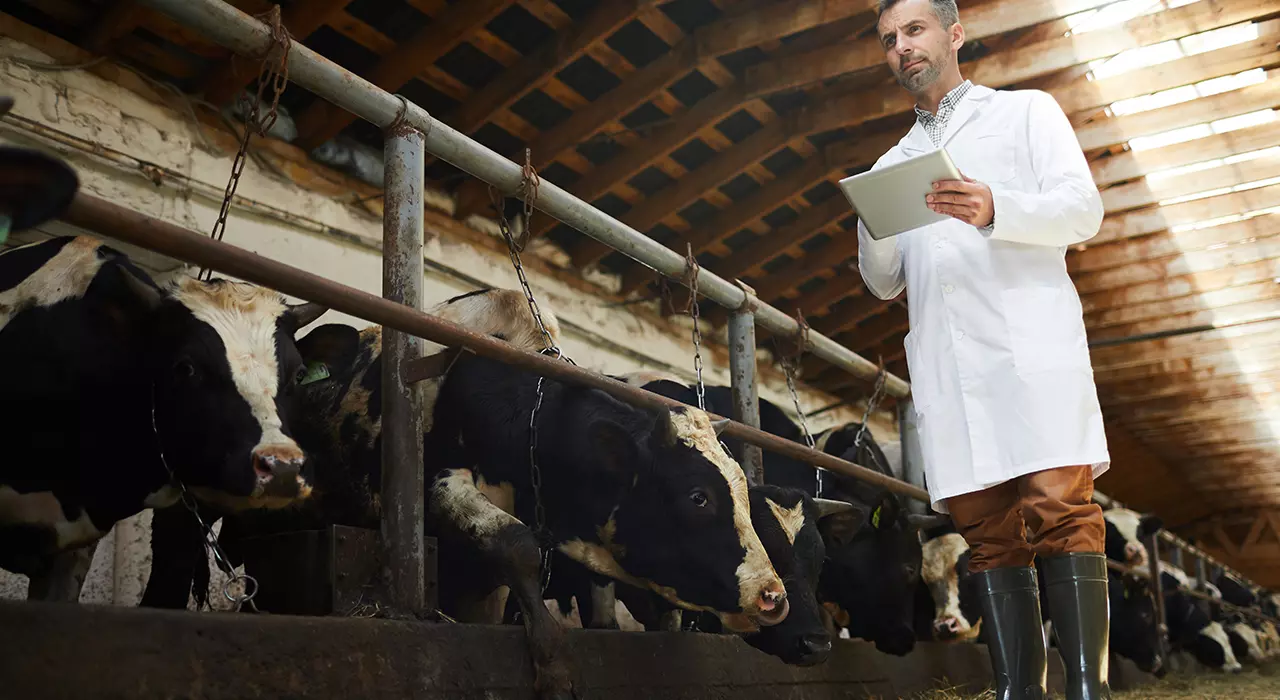
Este programa 100% online te permitirá compaginar tus estudios con tu labor profesional a la vez que aumentas tus conocimientos en este ámbito”
Syllabus
The structure of the contents has been designed by the best professionals in the field of Seminal Dose Extraction, Processing and Preparation in Domestic Mammals, with extensive experience and recognized prestige in the profession, backed by the volume of cases reviewed, studied and diagnosed, and with extensive knowledge of new technologies applied to veterinary medicine.

This Postgraduate diploma in Seminal Dose Extraction, Processing and Preparation in Domestic Mammals contains the most complete and up-to-date Scientist program on the market”
Module 1. Male Reproduction
1.1. Regulation of Gonadal Activities
1.1.1. Regulation of FSH Synthesis and Secretion in Males
1.1.2. Regulation of LH Synthesis and Secretion in Males
1.1.3. Pulsatile Release of GnRH and Its Control
1.1.4. Puberty and Testicular Development
1.1.5. Circadian Rhythms and Their Interaction in Male Fertility
1.2. Testicular Steroidogenic Function
1.2.1. Steroidogenesis in Males
1.2.2. Enzymes and Genomic Regulation of Testicular Function
1.2.3. Steroid Hormone Receptors Involved in Male Reproduction
1.2.4. Receptors and Their Nuclear Action
1.2.5. Antihormones
1.3. Accesory Glands
1.3.1. Ampullae of Benle in Different Species of Domestic Mammals
1.3.2. Seminal Vesicles in the Different Species of Domestic Mammals
1.3.3. Prostate in Different Species of Domestic Mammals
1.3.4. Bulbourethral Glands in Different Species of Domestic Mammals
1.4. Spermatozoa Biology
1.4.1. Sperm Morphology
1.4.2. Comparison of Spermatozoa in Domestic Animals
1.4.3. Sperm Physiology
1.4.4. Sperm Maturation
1.4.5. Study of the Spermatozoa by Electron Microscopy
1.5. Ejaculates in the Different Species of Domestic Mammals
1.5.1. Ejaculate Composition
1.5.2. Variation in Ejaculate Composition among Domestic Mammal Species
1.5.3. Medical Nomenclature in Sperm Assessment
1.5.4. Alteration in Ejaculates as a Function of Nutritional Systems
1.6. Control of Spermatogenesis
1.6.1. Endocrine Control of Spermatogenesis
1.6.2. Initiation of Spermatogenesis in the Young Male
1.6.3. Duration of Spermatogenesis in Mammals
1.6.4. Sperm Chromosomal Abnormalities and the Consequences on Reproduction
1.7. Study of Sperm and Flagellar Movement
1.7.1. Functional Anatomy of the Flagellum
1.7.2. Sperm Motility
1.7.3. Variations in Sperm Motility
1.7.4. Sperm Transport Changes in Sperm Motility During Transport
1.8. Congenital Testicular Malformations
1.8.1. Chromosomal Abnormalities
1.8.2. Genetic Abnormalities
1.8.3. Embryological Diagnosis of Genetic Abnormalities at the Testicular Level in Mammals
1.9. Reproductive Pathologies in Males
1.9.1. Testicular Torsion
1.9.2. Testicular Neoplasms
1.9.3. Abnormalities of the Vas Deferens and Accessory Glands
1.9.4. Abnormalities of the Penis and Foreskin
1.9.5. Orchitis
1.9.6. Seminal Vesiculitis
1.9.7. Epididymitis
1.10. Venereal Diseases in Mammals
1.10.1. Sexually Transmitted Bacterial Diseases in Females and Males
1.10.2. Sexually Transmitted Viral Diseases in Females and Males
1.10.3. Sexually Transmitted Parasitic Diseases in Females and Males
1.10.4. Transmission, Prevention and Control Mechanisms
Module 2. Reproductive Biotechnologies in Males
2.1. Control and Sanitary Regulations for the Selection of Donors Venereal Diseases
2.1.1. Introduction
2.1.2. Animal Health Risks and Their Impact on International Trade
2.1.3. Legal and Institutional Framework of Global Agricultural Trade
2.1.4. National, European and International Sanitary Requirements for the Trade of Germplasmic Material in Different Species
2.2. Methods of Semen Collection in Different Species of Domestic Mammals
2.2.1. Semen Extraction Using Artificial Vagina in Different Species of Domestic Mammals
2.2.2. Extraction of Semen by Electroejaculation in Different Species of Domestic Mammals
2.2.3. Postmortem Semen Collection in Different Species of Domestic Mammals
2.2.4. How Does the Method of Semen Collection Affect the Quality of the Ejaculate?
2.3. Sperm Assessment Specific Parameters and Methods to Determine Semen Quality
2.3.1. Macroscopic Assessment of the Ejaculate
2.3.2. Microscopic Assessment of the Ejaculate
2.3.3. Existing Methods for Semen Quality Assessment
2.4. Processing and Maintenance of Spermatozoa in Different Mammalian Species
2.4.1. Composition and Functionality of the Diluent
2.4.2. Differences in the Composition of Diluents in Different Species of Domestic Mammals
2.4.3. Methodology for Calculating the Number of Seminal Doses
2.4.4. Straw Packaging and Printing Criteria
2.4.5. Critical Points During Processing and Maintenance of Spermatozoa
2.5. Sperm Cryopreservation
2.5.1. Introduction
2.5.2. Types of Cryoprotectants Used in Sperm Cryopreservation and Their Function
2.5.3. Sperm Cryopreservation Methods
2.5.4. Differences in Patterns of Sperm Cryopreservation in Different Species of Domestic Mammals
2.6. Quality Management System in Semen Freezing Centers
2.6.1. Pre-Marketing Quality Management System for Seminal Doses
2.6.2. Internal Data Management System for the Control of Seminal Dose in a Reproductive Center
2.6.3. Quality Management Systems for the Movement of Seminal Dose at the National Level
2.6.4. Quality Management Systems in Sperm Freezing Centers by the Ark
2.7. Methods of Determining the Fertility of Stallions Individually and on Farms
2.7.1. Complete Study of Physical Capabilities for Riding and Sexual Libido
2.7.2. Hormonal and Health Analyses
2.7.3. Evaluation of the Reproductive System of the Stallion
2.7.4. Therapeutic Methods to Improve Fertility in a Stallion
2.8. Genetic Characteristics of Stallions (Progeny Testing) and Guidelines for Marketing of Frozen Semen Doses
2.8.1. Design of an Animal Assessment System
2.8.2. Assess the Genetic Performance of an Individual
2.8.3. Genomic Assessment
2.9. Study of Genetic Diseases Transmissible by Spermatozoa
2.9.1. Introduction
2.9.2. Peripheral Blood Karyotype
2.9.3. Study of Meiosis in Testicular Tissue
2.9.4. Study of the Spermatozoon
2.9.5. Genetic Analysis of the Stallion to Detect Communicable Diseases
2.10. Establishment of Germplasm Banks for the Conservation of Animal Genetic Resources
2.10.1. Regulations for the Creation of a Germplasm Bank
2.10.2. Germplasm Bank Quality Management Systems
2.10.3. Importance of a Germplasm Bank
Module 3. Selection of Sex in Mammals
3.1. Sex Selection in Genetic Improvement
3.1.1. Sexual Differentiation in Mammals
3.1.2. Sex Selection in Progeny Tests
3.1.3. Bioethics in Mammalian Sex Selection
3.2. Embryo Sex Identification
3.2.1. Methods of Sex Detection in Embryos
3.2.2. Invasive Methods, Cytogenetic Analysis and PCR
3.2.3. Non-Invasive, Antigenic and Immunofluorescence Methods
3.2.4. Control of Sex by Speed Difference in Embryonic Development
3.3. Sperm Sex Selection Techniques: Immunological Methods
3.3.1. Membrane Proteins of the X and Y Spermatozoa
3.3.2. Monoclonal and Polyclonal Anti-H-Y Antibodies
3.3.3. X- and Y-Sperm Specific Membrane Markers
3.3.4. Identification of Sex-Specific Proteins (SSP)
3.4. Sperm Sex Selection Techniques: Methods Based on Physical Differences
3.4.1. Study of the Physical Differences between X and Y Spermatozoa
3.4.2. PH Sensitivity
3.4.3. Differences Electric Charges
3.4.4. Differences in the Size of the Sperm Head Nucleus
3.5. Sperm Sex Selection Techniques: Methods Based on DNA Content
3.5.1. Study of DNA Content in Different Mammals
3.5.2. Sex Selection by Flow Cytometry
3.5.3. Efficiency of the Flow Cytometry Technique
3.6. Sperm Sex Selection Techniques: Methods Based on Cytochrome Filters
3.6.1. What Are Cytochromic Filters?
3.6.2. Density Difference Techniques
3.6.3. Use of Cytochromes and Density Differences in the Separation of X and Y Sperm
3.6.4. Efficiency of This Technique
3.7. Sperm Sex Selection Techniques: Differences in Migration Speed
3.7.1. Differences in X and Y Sperm Velocity
3.7.2. Culture Media for Sperm Separation by Migration Speed
3.7.3. Efficiency of This Technique
3.8. Comparative Study of Different Sperm Separation Techniques
3.8.1. Advantages and Disadvantages of Using the Different Sexing Techniques
3.8.2. Assessment of Sexing Techniques in Different Mammalian Species
3.8.3. Proper Choice of Sexing Technique for Livestock Farms
3.9. Morphokinetic Alterations in Sperm Obtained from Sexing Techniques
3.9.1. Sex Determination Pathologies
3.9.2. Cytogenetic Analysis of the Y Chromosome
3.9.3. Genes Carried on the Y Chromosome
3.9.4. Mutations
3.9.5. Flagellar Alterations in the Sexed Doses
3.10. Techniques for the Detection of Sperm Sexing Efficiency
3.10.1. Ultrasound Sex Detection
3.10.2. Quantitative PCR
3.10.3. Fluorescence In Situ Hybridization (FISH)
3.10.4. Other techniques

This training will allow you to advance in your career comfortably"
Postgraduate Diploma in Seminal Dose Extraction, Processing and Preparation in Domestic Mammals
.
TECH Global University presents the Postgraduate Diploma in Seminal Dose Extraction and Processing in Domestic Mammals, an academic program designed for those interested in assisted reproduction and the management of reproduction in domestic animals. Through our virtual classes, you will be able to acquire the knowledge and skills necessary to efficiently and effectively perform seminal dose extractions and preparations. During 6 months of study, our Postgraduate Diploma will provide you with complete and up-to-date information on advanced techniques used in the extraction and processing of semen doses in domestic mammals. You will learn about the fundamentals of animal reproduction, semen collection techniques, sample processing, seminal quality analysis and best practices in semen dose preparation.
Get trained and become an expert in the management of reproduction in domestic mammals.
In this Postgraduate Diploma, you will be guided by experts in animal reproduction and veterinary medicine, who will teach you the most advanced techniques and provide you with the necessary knowledge to carry out the extraction and preparation of seminal doses in a professional and ethical manner. At the end of the Postgraduate Diploma program, you will receive a Postgraduate Diploma certificate, endorsed by TECH. This official recognition will support your skills and knowledge, providing you with competitive advantages in the labor field related to animal reproduction. Don't miss the opportunity to become an expert in the management of reproduction in domestic mammals. Enroll and acquire the skills you need to contribute to the advancement of animal reproduction.