
University certificate







The world's largest faculty of information technology”
Introduction to the Program
A través de esta Postgraduate diploma, adoptarás los protocolos más actualizados para implementar herramientas de robótica, con el fin de optimizar los procesos productivos de una empresa”

En tiempos pasados, los trabajadores de diferentes sectores de la actividad han tenido que someterse a la realización de complejas y monótonas tareas que conllevaban arduas e interminables horas de trabajo. No obstante, el surgimiento de vanguardistas mecanismos de Automatización y dispositivos de Inteligencia Artificial ha permitido no solo agilizar el trabajo de estos profesionales, sino también minimizar los costes de producción de las compañías. Ante esta coyuntura, los informáticos con un elevado dominio en la implementación, el manejo y la supervisión de estos sistemas tecnológicos son muy precisados en un entorno laboral que está inmerso en una constante digitalización.
Por este motivo, TECH ha creado esta titulación, con la que el alumno obtendrá los conocimientos más relevantes y actualizados con respecto a la Automation and Artificial Intelligence, impulsando así su crecimiento en este sector. A lo largo de este periodo académico, identificará las mejores estrategias para acometer el mantenimiento predictivo de los sistemas de Automatización o establecerá el potencial que poseen los asistentes virtuales en la realización de determinadas tareas. De la misma manera, aprenderá a detectar las oportunidades para implementar los servicios RaaS y de robótica en las empresas.
Dado que esta Postgraduate diploma se desarrolla a través de una metodología 100% en línea, el estudiante obtendrá la posibilidad de compatibilizar su excelente aprendizaje con sus quehaceres personales y profesionales. Además, este programa es diseñado e impartido por especialistas de alto calibre activos en el área de la Automatización y la Inteligencia Artificial. Por tanto, los conocimientos que adoptará el alumno gozarán de una plena actualización.
Aprende, con esta titulación, a detectar de forma óptima las oportunidades para implementar los servicios RaaS y de robótica en las diferentes áreas de una empresa”
Esta Postgraduate diploma en Automation and Artificial Intelligence contiene el programa educativo más completo y actualizado del mercado. Sus características más destacadas son:
- El desarrollo de casos prácticos presentados por expertos en IA y soluciones tecnológicas
- Los contenidos gráficos, esquemáticos y eminentemente prácticos con los que está concebido recogen una información práctica sobre aquellas disciplinas indispensables para el ejercicio profesional
- Los ejercicios prácticos donde realizar el proceso de autoevaluación para mejorar el aprendizaje
- Su especial hincapié en metodologías innovadoras
- Las lecciones teóricas, preguntas al experto, foros de discusión de temas controvertidos y trabajos de reflexión individual
- La disponibilidad de acceso a los contenidos desde cualquier dispositivo fijo o portátil con conexión a internet
Esta Postgraduate diploma dispone de una metodología 100% en línea que te permitirá aprender sin tener que depender de incómodos horarios preestablecidos”
El programa incluye en su cuadro docente a profesionales del sector que vierten en esta capacitación la experiencia de su trabajo, además de reconocidos especialistas de sociedades de referencia y universidades de prestigio.
Su contenido multimedia, elaborado con la última tecnología educativa, permitirá al profesional un aprendizaje situado y contextual, es decir, un entorno simulado que proporcionará una capacitación inmersiva programada para entrenarse ante situaciones reales.
El diseño de este programa se centra en el Aprendizaje Basado en Problemas, mediante el cual el profesional deberá tratar de resolver las distintas situaciones de práctica profesional que se le planteen a lo largo del curso académico. Para ello, contará con la ayuda de un novedoso sistema de vídeo interactivo realizado por reconocidos expertos.
Goza de un extenso abanico de formatos de carácter textual y multimedia diferentes entre sí para elegir aquellos que más se adecúen a tus necesidades de estudio”
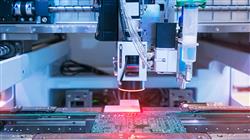
Gracias a este programa, adoptarás las estrategias más sofisticadas para acometer el mantenimiento predictivo de los distintos sistemas de Automatización”
Syllabus
The syllabus of this program is made up of 3 modules with which the student will delve into the field of Automation and Artificial Intelligence to learn its intricacies. All of the teaching materials you will have at your disposal throughout this program are available in a wide range of textual and interactive formats. Due to this and through a 100% online methodology, the computer scientist will obtain a resolute and achievable teaching with only a device with Internet connection.

This plan, designed by the best experts in Automation and AI, will provide you with the most up-to-date teaching content in these fields"
Module 1. Industry 4.0 Automation Systems
1.1. Industrial Automation
1.1.1. Automation
1.1.2. Architecture and Components
1.1.3. Safety
1.2. Industrial Robotics
1.2.1. Fundamentals of Industrial Robotics
1.2.2. Models and Impact on Industrial Processes
1.3. PLC Systems and Industrial Control
1.3.1. PLC Evolution and Status
1.3.2. Evolution of Programming Languages
1.3.3. Computer Integrated Automation CIM
1.4. Sensors and Actuators
1.4.1. Classification of Transducers
1.4.2. Types of Sensors
1.4.3. Standardization of Signals
1.5. Monitor and Manage
1.5.1. Types of Actuators
1.5.2. Feedback Control Systems
1.6. Industrial Connectivity
1.6.1. Standardized Fieldbuses
1.6.2. Connectivity
1.7. Proactive / Predictive Maintenance
1.7.1. Predictive Maintenance
1.7.2. Fault Identification and Analysis
1.7.3. Proactive Actions Based on Predictive Maintenance
1.8. Continuous Monitoring and Prescriptive Maintenance
1.8.1. Prescriptive Maintenance Concept in Industrial Environments
1.8.2. Selection and Exploitation of Data for Self-Diagnostics
1.9. Lean Manufacturing
1.9.1. Lean Manufacturing
1.9.2. Benefits Lean Implementation in Industrial Processes
1.10. Industrialized Processes in Industry 4.0. Use Case
1.10.1. Project definition
1.10.2. Technological Selection
1.10.3. Connectivity
1.10.4. Data Exploitation
Module 2. Big Data and Artificial Intelligence
2.1. Fundamental Principles of Big Data
2.1.1. Big Data
2.1.2. Tools to Work With Big Data
2.2. Data Mining and Warehousing
2.2.1. Data Mining Cleaning and Standardization
2.2.2. Information Extraction, Machine Translation, Sentiment Analysis, etc
2.2.3. Types of Data Storage
2.3. Data Intake Applications
2.3.1. Principles of Data intake
2.3.2. Data Ingestion Technologies to Serve Business Needs
2.4. Data Visualization
2.4.1. The Importance of Data Visualization
2.4.2. Tools to Carry It Out Tableau, D3, matplotlib (Python), Shiny®
2.5. Machine Learning
2.5.1. Understanding Machine Learning
2.5.2. Supervised and Unsupervised Learning
2.5.3. Types of Algorithms
2.6. Neural Networks (Deep Learning)
2.6.1. Neural Network: Parts and Operation
2.6.2. Types of Networks CNN, RNN
2.6.3. Applications of Neural Networks; Image Recognition and Natural Language Interpretation
2.6.4. Generative Text Networks: LSTM
2.7. Natural Language Recognition
2.7.1. PNL (Processing Natural Language)
2.7.2. Advanced PLN Techniques: Word2vec, Doc2vec
2.8. Chatbots and Virtual Assistants
2.8.1. Types of Assistants: Voice and Text Assistants
2.8.2. Fundamental Parts for the Development of an Assistant: Intents, Entities and Dialog Flow
2.8.3. Integrations: Web, Slack, WhatsApp, Facebook
2.8.4. Assistant Development Tools: Dialogflow, Watson Assistant
2.9. Emotions, Creativity and Personality in IA
2.9.1. Understand How to Detect Emotions Using Algorithms
2.9.2. Creating a Personality: Language, Expressions and Content
2.10. Future of Artificial Intelligence
2.11. Reflections
Module 3. Robotics, Drones and Augmented Workers
3.1. Robotics
3.1.1. Robotics, Societies and Cinema
3.1.2. Components and Parts of Robot
3.2. Robotics and Advanced Automation: Simulators, Cobots
3.2.1. Transfer of Learning
3.2.2. Cobots and Case Uses
3.3. RPA (Robotic Process Automatization)
3.3.1. Understanding RPA and its Functioning
3.3.2. RPA Platforms, Projects and Roles
3.4. Robot as a Service (RaaS)
3.4.1. Challenges and Opportunities for Implementing RaaS Services and Robotics in Enterprises
3.4.2. Operation of a Raas system
3.5. Drones and Automated Vehicles
3.5.1. Components and Drones Operation
3.5.2. Uses, Types and Applications of Drones
3.5.3. Evolution of Drones and Autonomous Vehicles
3.6. The Impact of 5G
3.6.1. Evolution of Communications and Implications
3.6.2. Uses of 5G Technology
3.7. Augmented Workers
3.7.1. Human-Machine Integration in Industrial Environments
3.7.2. Challenges in Worker-Robot Collaboration
3.8. Transparency, Ethics and Traceability
3.8.1. Ethical Challenges in Robotics and Artificial Intelligence
3.8.2. Monitoring, Transparency and Traceability Methods
3.9. Prototyping, Components and Evolution
3.9.1. Prototyping Platforms
3.9.2. Phases to Make a Prototype
3.10. Future of Robotics
3.10.1. Trends in Robotization
3.10.2. New Types of Robots

Enroll in this Postgraduate diploma and get an effective and decisive teaching through teaching formats such as the self-assessment test or the explanatory video"
Postgraduate Diploma in Automation and Artificial Intelligence
In today's world, technology is advancing at a breakneck pace and is transforming the way we live and work. Automation and artificial intelligence (AI) are two of the main driving forces behind this technological revolution. At TECH Global University, we understand the importance of staying current in this highly competitive and constantly evolving environment. That is why we present our Postgraduate Diploma in Automation and Artificial Intelligence. Our University Expert program is designed for professionals who wish to acquire solid skills in automation and artificial intelligence. The online mode of this program offers exceptional flexibility, allowing you to learn at your own pace and from anywhere in the world. This means you can continue to work full-time while enhancing your knowledge and skills in this cutting-edge area.
Study in online mode and find educational quality
Automation and artificial intelligence are transforming a wide range of industries, from healthcare and manufacturing to banking and logistics. By completing our program, you'll be prepared to apply advanced automation and AI concepts and techniques in your field of expertise, enabling you to improve efficiency, reduce costs and make more informed decisions. In addition, TECH Global University prides itself on providing a highly interactive online learning environment. You will connect with peers from around the world, allowing you to collaborate on projects and discuss ideas in a global community of learners. Automation and artificial intelligence are the future, and TECH Global University gives you the opportunity to be at the forefront of this revolution. Boost your career and prepare to lead in an increasingly automated and intelligent world - enroll in our Postgraduate Diploma in Automation and Artificial Intelligence and take the next step towards an exciting future full of opportunities!