
University certificate







The world's largest faculty of education”
Introduction to the Program
Conoce los últimos avances en Teaching Classical Culture”
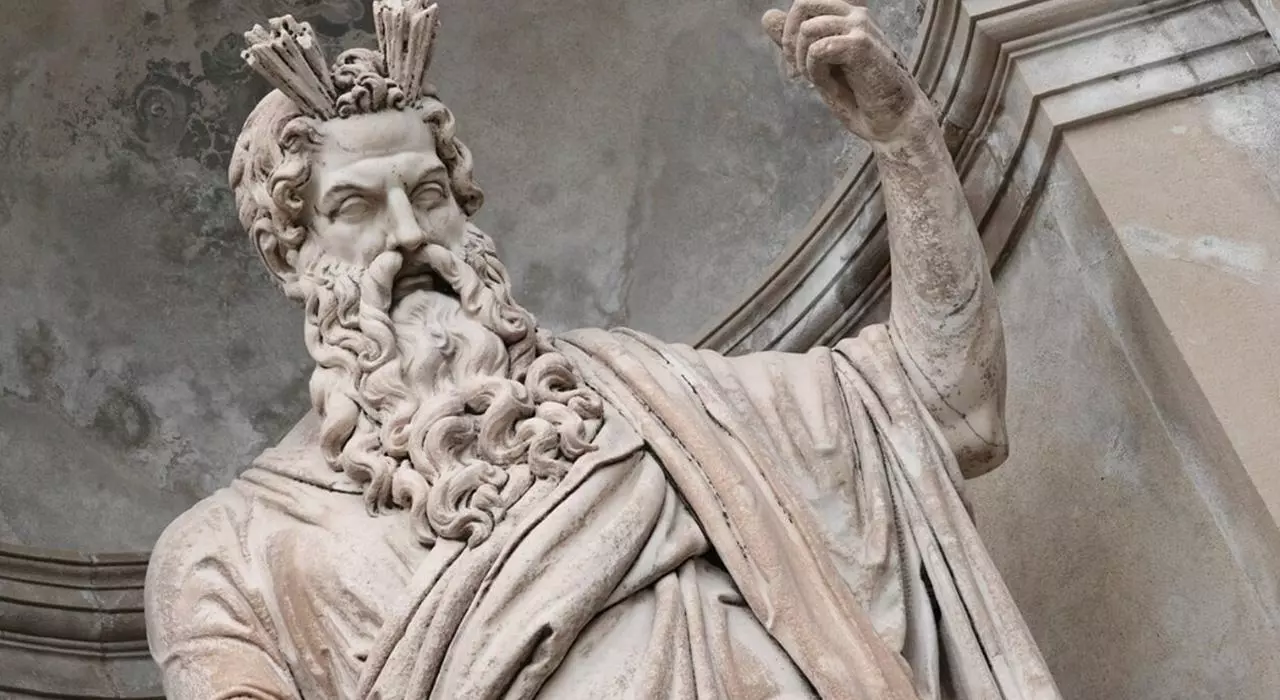
Esta Postgraduate diploma en Teaching Classical Culture generará una sensación de seguridad en el desempeño de tu profesión, que te ayudará a crecer personal y profesionalmente”
Es necesario formar profesionales cualificados que conozcan, además de la materia de Cultura Clásica, los elementos capitales para su correcta enseñanza dentro de nuestro modelo educativo, atendiendo a las nuevas metodologías docentes.
En esta Postgraduate diploma se ofrece una visión amplia y completa de los contenidos que se imparten en las materias de latín y Cultura Clásica, con el objetivo de formar profesionales capaces de desarrollar de forma efectiva el proceso de enseñanza-aprendizaje de una materia vital en el desarrollo humanístico de los discentes.
Se prestará especial atención a la labor del docente de dichas materias, desde una óptica eminentemente práctica y haciendo hincapié en los aspectos más innovadores.
Así mismo se muestra gran interés en que los alumnos dla Postgraduate diploma accedan al conocimiento sobre la labor docente tanto a nivel teórico como aplicado, de forma que le sirva para su desempeño profesional presente o futuro, ofreciendo de esta forma una ventaja cualitativa sobre otros profesionales del sector.
Se facilitará igualmente la incorporación al mercado de trabajo, o la promoción en el mismo, con un extenso conocimiento teórico y práctico que mejorará sus habilidades en el trabajo diario, prestando especial atención al papel de la innovación docente.
Actualiza tus conocimientos a través del programa de Postgraduate diploma en Teaching Classical Culture”
Esta Postgraduate diploma en Teaching Classical Culture contiene el programa científico más completo y actualizado del mercado. Las características más destacadas del curso son:
- Desarrollo de casos prácticos presentados por expertos. en Teaching Classical Culture. Sus contenidos gráficos, esquemáticos y eminentemente prácticos con los que están concebidos, recogen una información científica y práctica sobre aquellas disciplinas indispensables para el ejercicio profesional.
- Novedades sobre Teaching Classical Culture.
- Contiene ejercicios prácticos donde realizar el proceso de autoevaluación para mejorar el aprendizaje.
- Con especial hincapié en metodologías innovadoras en Teaching Classical Culture.
- Todo esto se complementará con lecciones teóricas, preguntas al experto, foros de discusión de temas controvertidos y trabajos de reflexión individual.
- Disponibilidad de los contenidos desde cualquier dispositivo fijo o portátil con conexión a internet.
Esta Postgraduate diploma puede ser la mejor inversión que puedes hacer en la selección de un programa de actualización por dos motivos: además de poner al día tus conocimientos obtendrás un título de Postgraduate diploma por la mayor Universidad Digital del mundo, TECH”
Incluye en su cuadro docente profesionales pertenecientes al ámbito de la Teaching Classical Culture, que vierten en esta formación la experiencia de su trabajo, además de reconocidos especialistas pertenecientes a sociedades de referencia y universidades de prestigio.
Gracias a su contenido multimedia elaborado con la última tecnología educativa, permitirán al profesional un aprendizaje situado y contextual, es decir, un entorno simulado que proporcionará un aprendizaje inmersivo programado para entrenarse ante situaciones reales.
El diseño de este programa está basado en el aprendizaje basado en problemas, mediante el cual el docente deberá tratar de resolver las distintas situaciones de práctica profesional que se le planteen a lo largo del curso. Para ello, el docente contará con la ayuda de un novedoso sistema de vídeo interactivo realizado por reconocidos expertos en el campo de la Teaching Classical Culture y con gran experiencia docente.
Esta formación de Postgraduate diploma en Enseñanza de la Cultura Clásica permite ejercitarse en entornos simulados, que proporcionan un aprendizaje inmersivo programado para entrenarse ante situaciones reales”

Podrás realizar esta Postgraduate diploma de forma 100% online, adaptándose a tus necesidades y facilitándote que puedas cursarlo mientras desarrollas tu actividad asistencial a tiempo completo”
Syllabus
This syllabus has been designed and structured by TECH's team of experts, who have meticulously created each section in order to offer a definitive and unique program. Moreover, it is always based on the most efficient teaching methodology of all, Relearning, which guarantees an optimal and progressive assimilation of the essential concepts by the students.

You will have 24-hour access to all the content and you will be able to enjoy a wide variety of additional material with which to delve further into those areas of the syllabus that most interest you"
Module 1. Ancient Greek and Roman History
1.1 Definition of Classical Culture and Sources for Study
1.1.1. Building the Concept
1.1.2. Archaeology
1.1.3. Epigraphy
1.1.4. Numismatics
1.1.5. Papyrology and Codicology
1.1.6. Paleography
1.1.7. Historiography and Philology
1.2 The Geographical Framework of Ancient Greece
1.2.1. Helad or Greece?
1.2.2. Continental Greece
1.2.3. Northern Greece
1.2.4. Central Greece
1.2.5. Peninsular Greece or Peloponnese
1.2.6. Insular Greece
1.2.7. Asiatic and Colonial Greece
1.3 The Minoan Civilization, the Mycenaean Civilization and the Dark Ages
1.3.1. The Transition to the Bronze Age
1.3.2. The Minoan Civilization
1.3.3. The Mycenaean Civilization
1.3.4. The Sea Peoples
1.3.5. The Dark Ages
1.3.6. Politico-Social Organization during the Dark Ages
1.3.7. The Homeric Poems
1.4 The Stages in Greek History: Archaic, Classical and Hellenistic
1.4.1. Archaic Greece and Colonization
1.4.2. Classical Greece
1.4.3. Athens and Sparta
1.4.4. The Wars that Forged Greece
1.4.5. Philip and Alexander the Great
1.4.6. Hellenistic Greece
1.5 The Origin of Ancient Rome, Legend and Reality
1.5.1. The Physical and Geographical Framework
1.5.2. The Reading of Romulus and Remus
1.5.3. Aeneas: The Trojan Legend
1.5.4. The Albanian Dynasty
1.5.5. Cacus or the Frustrated Hero
1.5.6. The Rise of Ancient Rome
1.6 The Monarchy and the Republic
1.6.1. The Mythical Kings of Latium
1.6.2. The Monarchy
1.6.3. The 509 Crisis
1.6.4. The Roman Republic
1.6.5. Patricians and Commoners
1.6.6. The Punic Wars
1.7 The Roman Empire
1.7.1. The Transition to Empire
1.7.2. The Figure of Augustus
1.7.3. The High Empire
1.7.4. The Later Empire
1.7.5. Economics and Society
1.7.6. Christianity
Module 2. Greco-Roman Religion
2.1 Classical Religion
2.1.1. General Characteristics
2.1.2. Organization of Worship
2.1.3. Politics and Religion
2.1.4. Sanctuaries
2.1.5. New Divinities: Adoption, Assimilation and Syncretization
2.1.6. Rituals
2.2 Greco-Roman Mythology
2.2.1. The Lineage of the Gods
2.2.2. Chaos
2.2.3. Gaea - Uranus: First Divine Generation
2.2.4. Rhea - Cronus: Second Divine Generation
2.2.5. Zeus - Hera: Third Divine Generation
2.2.6. The Creation of Humanity
2.3 The Oracles
2.3.1. The Concept of Oracle
2.3.2. The Influence of Divination on Politics in Antiquity
2.3.3. Pythia
2.3.4. The Oracle of Dodona
2.3.5. The Oracle of Delphi
2.3.6. Eleusinian Mysteries
2.4 The Olympic Pantheon
2.4.1. The Olympian Gods
2.4.2. Other Gods and Heroes
2.4.3. Muses and Nymphs
2.4.4. Monsters in Classical Mythology
2.4.5. The Most Relevant Heroes
2.4.6. Roman Assimilation of the Greek Gods
2.5 Worship in Ancient Greece and Rome
2.5.1. Types of Worship
2.5.2. Public Worship
2.5.3. Imperial Worship
2.5.4. Priesthood
2.5.5. Prayers
2.5.6. Offerings
2.5.7. Sacrifices
2.6 Greco-Roman Festivals
2.6.1. Festivals in Ancient Greece
2.6.2. Ancient Roman Festivals
2.6.3. The Saturnalia
2.6.4. The Lupercals
2.6.5. The Vestalia
2.6.6. Other Festivities
2.7 Private Religion
2.7.1. Private Worship in Ancient Greece
2.7.2. Private Worship in Ancient Roman Religion
2.7.3. Lares
2.7.4. Di Penates
2.7.5. Manes and the Genuis
2.7.6. The Pater Families and Specific Gods
Module 3. Politics and Society
3.1 Social Classes in Ancient Greece and Rome
3.1.1. Citizenship in Ancient Greece
3.1.2. Non-Citizenship in Greece
3.1.3. Athens and Sparta
3.1.4. Roma: Patricians and Commoners
3.1.5. Roma: Freed People and Slaves
3.1.6. Rome: Free Women
3.2 Government Structures
3.2.1. Conception of Government in Ancient Greece
3.2.2. The Athenian Organization
3.2.3. The Spartan Structure
3.2.4. Political Institutions
3.2.5. Ancient Rome and Its Magistrates
3.2.6. Rome under the Empire
3.3 The Concept of Citizenship
3.3.1. The Evolution of the Concept of Citizenship in Antiquity
3.3.2. Being a Citizen in Athens
3.3.3. Being a Citizen in Sparta
3.3.4. Citizenship in Ancient Rome
3.3.5. Implications of Being a Citizen in Ancient Rome
3.3.6. The Extension of Ancient Roman citizenship
3.4 The Army
3.4.1. The Soldier-Citizen in Ancient Greece
3.4.2. The Army in Athens
3.4.3. The Army in Sparta
3.4.4. The Army in Boecio
3.4.5. The Formation of the Ancient Roman Army
3.4.6. The Organization of the Ancient Roman Army
3.5 Public Shows
3.5.1. Athletic Competitions
3.5.2. The Ancient Greek Theater
3.5.3. The Circus
3.5.4. The Amphitheater
3.5.5. The Ancient Roman Theater
3.5.6. Other Shows
3.6 Greco-Roman Science and Literature
3.6.1. Science in Ancient Greece and Rome
3.6.2. Astronomy, Mathematics and Physics
3.6.3. Medicine
3.6.4. Representatives of Greco-Roman Literature
3.6.5. Latin Poetry
3.6.6. Latin Comedy
3.7 Women in Greco-Roman Society
3.7.1. Women in Ancient Greece and Rome
3.7.2. The Rights of Women in Antiquity
3.7.3. Daily Life
3.7.4. The Role of Women in the Family
3.7.5. Religious Life
3.7.6. Significant Women Ancient Greece and Rome

Assimilate the contents in an easy and fast way, thanks to the most efficient pedagogical methodology, TECH's Relearning"
Postgraduate Diploma in Teaching Classical Culture
Immerse yourself in the fascinating world of Classical Culture and discover how to effectively integrate it into your classes. TECH Global University presents the Postgraduate Diploma in Teaching Classical Culture program, a unique opportunity to strengthen your pedagogical skills and provide your students with an enriching educational experience. During the 6 months of this program, you will have access to relevant and updated information about Classical Culture, its values, its impact on society and its relevance in contemporary education. You will learn to design innovative teaching strategies that will allow your students to appreciate and understand the cultural richness of antiquity. Imagine the convenience of attending online classes from anywhere and at any time that suits you. We offer you the flexibility you need to study at your own pace, without interrupting your daily responsibilities.
Broaden your knowledge and enrich your education with TECH.
With this program, you will develop skills to motivate your students and awaken in them a genuine interest in history, literature and classical art. You will use digital resources and technological tools to enrich your classes and make them more interactive and participatory. TECH stands out for its practical approach and commitment to academic excellence. You will be able to interact with other teachers and share experiences, which will allow you to expand your network and enrich your professional perspective. Don't miss this opportunity to grow and improve your teaching career - enroll now and get ready to take your classes to the next level!