
University certificate
Accreditation/Membership
.png)







The world's largest faculty of medicine”
Introduction to the Program
Un programa exhaustivo y 100% online, exclusivo de TECH y con una perspectiva internacional respaldada por nuestra afiliación con Pacific Spine and Pain Society”

Según un nuevo informe elaborado por la Organización Mundial de la Salud, las Lesiones Traumáticas y los Tumores en la Columna Vertebral cuentan con una incidencia anual de aproximadamente 54 millones de personas a escala global. En consecuencia, estos individuos padecen limitaciones funcionales significativas y síntomas como el Dolor Crónico. Frente a este escenario, los facultativos precisan dominar las técnicas diagnósticas más modernas y las estrategias terapéuticas de última generación para optimizar los resultados clínicos.
En este contexto, TECH presenta un exclusivo programa en Advances in the Management of Spinal Tumors and Trauma . Concebido por especialistas de renombre, el itinerario académico profundizará en la identificación temprana de afecciones como Fracturas Vertebrales o Mielomas Múltiples empleando instrumentos tecnológicos sofisticados. Asimismo, el temario ahondará en el óptimo uso de sistemas de clasificación y escalas funcionales para determinar la gravedad de las condiciones. En sintonía con esto, los materiales didácticos brindarán las claves para diseñar intervenciones tanto quirúrgicas como terapéuticas elevadamente individualizadas. Gracias a esto, los egresados desarrollarán competencias clínicas avanzadas para ofrecer un abordaje más seguro y eficiente de estas patologías complejas.
Además, este programa se respalda en la disruptiva metodología del Relearning para impulsar una actualización de conocimientos progresiva y natural. De esta manera, los médicos no tendrán que invertir largas horas al estudio o memorización. Así, tan solo requerirán un dispositivo electrónico con internet para entrar al Campus Virtual. EAllí, hallarán múltiples píldoras multimedia como vídeos explicativos, lecturas especializadas o ejercicios prácticos basados en casos clínicos reales. Adicionalmente, un reconocido Director Invitado Internacional impartirá unas rigurosas Masterclasses.
Gracias a que TECH es miembro de la Pacific Spine and Pain Society (PSPS), sus egresados acceden a materiales clínicos actualizados y sesiones educativas centradas en afecciones de la columna. Esta afiliación les permite participar en simposios y foros especializados, conectando con expertos en dolor y cirugía espinal, y ampliando su red profesional en un campo altamente especializado.
Un prestigioso Director Invitado Internacional ofrecerá unas intensivas Masterclasses sobre los Avances terapéuticos más innovadores para el Manejo integral de Tumores y Traumatismos en la Columna Vertebral”
Esta Postgraduate diploma en Advances in the Management of Spinal Tumors and Trauma contiene el programa universitario más completo y actualizado del mercado. Sus características más destacadas son:
- El desarrollo de casos prácticos presentados por expertos en Medicina
- Los contenidos gráficos, esquemáticos y eminentemente prácticos con los que están concebidos recogen una información científica y práctica sobre aquellas disciplinas indispensables para el ejercicio profesional
- Los ejercicios prácticos donde realizar el proceso de autoevaluación para mejorar el aprendizaje
- Su especial hincapié en metodologías innovadoras
- Las lecciones teóricas, preguntas al experto, foros de discusión de temas controvertidos y trabajos de reflexión individual
- La disponibilidad de acceso a los contenidos desde cualquier dispositivo fijo o portátil con conexión a internet
Profundizarás en las técnicas mínimamente invasivas más modernas para el abordaje quirúrgico de afecciones complejas como Mielomas Múltiples y Fracturas Vertebrales por compresión”
Incluye en su cuadro docente a profesionales pertenecientes al ámbito de la Medicina, que vierten en este programa la experiencia de su trabajo, además de reconocidos especialistas de sociedades de referencia y universidades de prestigio.
Su contenido multimedia, elaborado con la última tecnología educativa, permitirá al profesional un aprendizaje situado y contextualizado, es decir, un entorno simulado que proporcionará un estudio inmersivo programado para entrenarse ante situaciones reales.
El diseño de este programa se centra en el Aprendizaje Basado en Problemas, mediante el cual el alumno deberá tratar de resolver las distintas situaciones de práctica profesional que se le planteen a lo largo del curso académico. Para ello, el profesional contará con la ayuda de un novedoso sistema de vídeo interactivo realizado por reconocidos expertos.
Utilizarás con destreza procedimientos diagnósticos de vanguardia como imagenología y biopsias para la detección precoz de Metástasis Vertebrales"
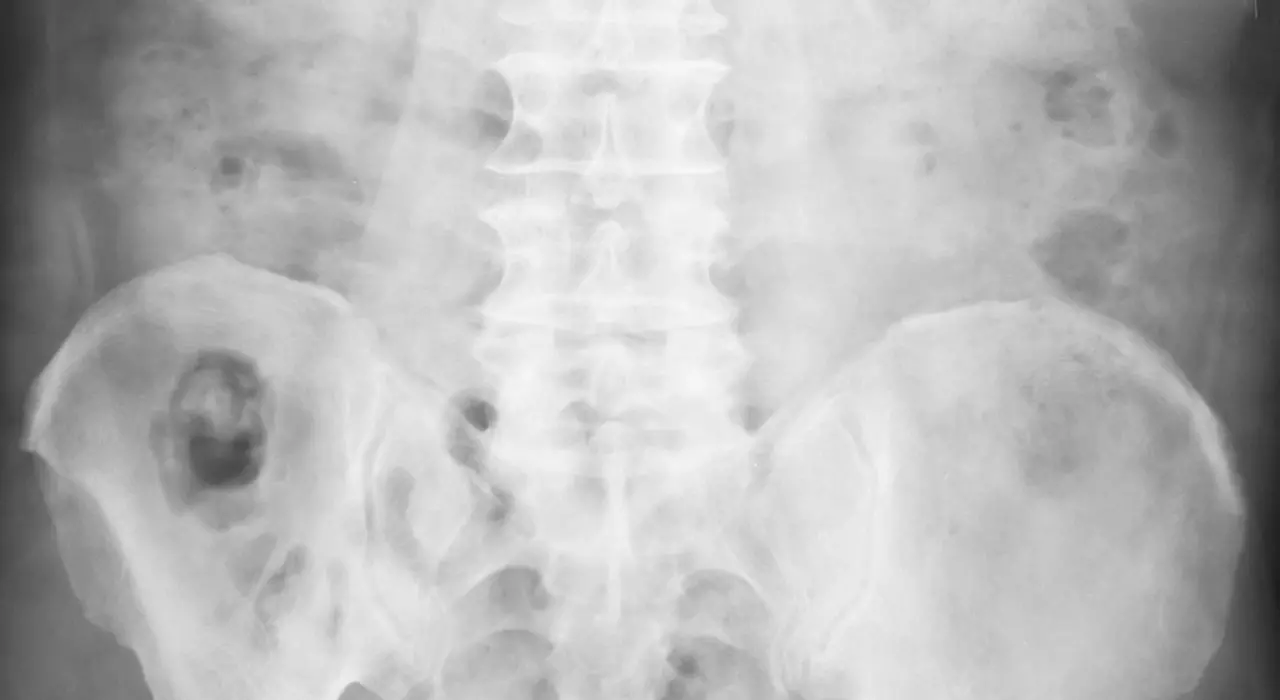
Actualizarás tus conocimientos mediante la disruptiva metodología del Relearning de TECH, logrando una asimilación efectiva de la materia sin tener que memorizar"
Syllabus
The structure of the content has been designed by the best professionals in the sector, with extensive experience and recognized prestige in the profession, backed by the volume of cases reviewed, studied, and diagnosed, and with extensive knowledge of new technologies applied to teaching.

This Postgraduate diploma in Advances in the Management of Spinal Tumors and Trauma and Trauma contains the scientific most complete and up-to-date scientific program on the market”
1.1. General Information of Vertebral Tumors
1.1.1. Pathophysiology of Vertebral Tumors
1.1.2. Prevalence and Incidence
1.1.3. Form of Presentation and Common Symptoms of Spinal Tumors
1.1.4. Physical Examination and Laboratory Studies
1.1.5. Why are Spinal Tumors a Big Problem?
1.1.6. Common Radiotherapy Techniques for Spinal Tumors, their Indications and Special Technical Considerations
1.1.7. Effects of Chemotherapy on the Malignant Cells of These Tumors
2.1. Management of the Patient with Suspected Vertebral Tumor
2.1.1. Diagnostic Imaging and Percutaneous Biopsy
2.1.2. Principles and Approaches to Perform Biopsies
2.1.3. Histological Management of the Specimen
3.1. Benign Primary Tumors
3.1.1. Main Benign Tumors of the Spine
3.1.2. Description and Indications for Percutaneous Surgery
3.1.3. Surgical Treatment
4.1. Primary Malignant Tumors of the Spine
4.1.1. Main Primary Malignant Tumors of the Spine
4.1.1.1. Multiple Myeloma and Plasmacytoma
4.1.1.2. Lymphoma
4.1.2. Oncologic and Surgical Staging
4.1.3. Low-grade and High-grade Malignant Tumors
4.1.4. Posterior Surgical Treatment. Technique of Resection in Bloc of Thoracolumbar and Cervical Tumors. Sacral Tumor Resections.
4.1.5. Radiotherapy in Malignant Tumors. Indications and Results
4.1.6. Results and Complications of Surgery
5.1. Vertebral Metastases
5.1.1. Pathophysiology of Vertebral Metastases and Oncologic Management of the Patient
5.1.2. Main Metastatic Tumors in the Spine
5.1.2.1. Lung, Breast, Genitourinary, Gastrointestinal
5.1.3. Scales of Assessment and Prognosis
5.1.4. Oncologic Management. Radiotherapy Indications and Results
5.1.5. Pain Management in Patients with Vertebral Metastases
6.1. Surgical Management of Metastases
6.1.1. Application of the Treatment Protocol. Indications for Surgery of Vertebral Metastases
6.1.2. Percutaneous Treatment Vertebroplasty and Kyphoplasty
6.1.3. Palliative Versus Radical Treatment in Vertebral Metastases
6.1.4. Complications of Surgery and Medical Care. How to Anticipate and Manage Them
7.1. Trauma of the Thoracolumbar Spine and Sacrum
7.1.1. Imaging in Thoracolumbar and Sacral Fractures
7.1.1.1. Use of the AO Classification
7.1.1.2. Selection of the Most Appropriate Images to Identify Major or Minor Trauma
7.1.1.3. Management and Use of Radiological Images
7.1.1.4. Define the Indications for Appropriate Use of CT or MRI
7.1.1.5. Recognize Special Circumstances that Compromise Spinal Cord Function
7.1.2. Thoracic-Lumbar Spine Trauma; Classification and Management.
7.1.2.1. Recognize the Signs and Symptoms of Thoracolumbar Fractures
7.1.2.2. Differentiate between Denis, AO and TLICS Classifications
7.1.2.3. Explain the Role of Ligaments in Burst Fractures
7.1.2.4. Evaluate the Different Surgical Techniques: Anterior Approach including MIS Techniques or Posterior Approach including MIS Technique or Both Approaches
7.1.3. Sacral Fractures: Classification and Treatment
7.1.3.1. Description of Important Anatomical Aspects
7.1.3.2. Differentiate the Different Types of Sacral Fractures
7.1.3.3. Use of the AO Classification
7.1.3.4. Recognize the Signs and Symptoms of Sacral Fractures
7.1.3.5. Compare Surgical or Conservative Treatment
7.1.3.6. Evaluate the Correct Surgical Options
8.1. Cementation Techniques via MIS
8.1.1. Explanation of the Steps to Perform a Cementoplasty Technique, Including Correct Patient Positioning
8.1.2. Correct Positioning of the Fluoroscope
8.1.3. Placement of the Jamshidi Needles and their Exchange for the Working Cannula
8.1.4. Fixation with Cemented Screws via MIS. Indications
8.1.5. Explanation of the Steps to Performing a Pedicle Screw Fixation Technique and Performing a Cementplasty, Including Correct Patient Positioning
8.1.6. Placement of Jamshidi Needles and Subsequent Tapping and Screw Placement
8.1.7. How the Cement is Injected into the Vertebrae and its Particularities
8.1.8. Placement of Percutaneous Bars
9.1. Fractures in Metabolic Spine Diseases and Pediatric Spine Fractures
9.1.1. Fractures in Ankylosing Spondylitis (AS): Characteristics and Treatment
9.1.1.1. Etiology of Ankylosing Spondylitis
9.1.1.2. Determine the Role of the Spine Surgeon in AS
9.1.1.3. Identify what Type of Imaging is Needed for its Diagnosis and Why
9.1.1.4. Formulating an Appropriate Treatment Plan for Fractures
9.1.1.5. Anticipate Difficulties in this Patient Population
9.1.2. Vertebral Osteoporotic Fractures. Diagnosis and Treatment
9.1.2.1. Define Osteoporosis
9.1.2.2. Description of the Medical Therapeutic Treatment of Osteoporosis
9.1.2.3. Know the Diagnosis of Osteoporotic Vertebral Fractures
9.1.2.4. Use of the AO Classification for Osteoporotic Vertebral Fractures
9.1.2.5. Evaluate the Different Surgical Alternatives
9.1.2.6. Recognize the Indications for Cementoplasty procedures for Osteoporotic Vertebral Fractures
9.1.2.7. Recognize the Indications for Instrumentation of the Spine With or Without Cementoplasty
9.1.3. Pediatric Spine Fractures. Characteristics and Treatment
9.1.3.1. Characteristics of Immature Cervical and Thoracolumbar Spine Fractures
9.1.3.2. Define SCIWORA/SCIWORET
9.1.3.3. Explain the Mechanism of Cervical Spine and Lumbar Apophysis Injuries
9.1.3.4. Determine the Appropriate Plan for Diagnosis and Treatment of Injuries
10.1. Posttraumatic Kyphosis
10.1.1. Prevention and Treatment of Posttraumatic Kyphosis
10.1.1.1. Discussion of the Reasons for Posttraumatic Kyphosis
10.1.1.2. Formulate Treatment Objectives
10.1.1.3. Explain How to Restore Sagittal Balance
10.1.1.4. Evaluate the Surgical Options
10.1.1.5. Justify the Approach by a Multidisciplinary Team
10.1.2. Treatment of Fractures by Minimally Invasive Techniques
10.1.2.1. Role of Vertebroplasty and its Complications
10.1.2.2. Role of Kyphoplasty and its Complications
10.1.2.3. Other Percutaneous Treatment Techniques for Osteoporotic Vertebral Compression Fractures
11.1. Management of Vertebral Fractures in Elderly Patients
11.1.1. Conservative Treatment of Fractures in the Elderly
11.1.2. Odontoid Fractures in Elderly Patients: Functional and Quality of Life Outcomes of Patients With and Without Surgery
11.1.3. Fractures in Elderly Patients with Ankylopoietic Spondylitis
11.1.4. Quality of Life in Elderly Patients with Fractures
11.1.5. Surgical Treatment of Osteoporotic Compression Fractures in the Elderly
11.1.5.1. Role of Vertebroplasty
11.1.5.2. Paper Kyphoplasty
11.1.5.3. Structural Osteoplasty Role
11.1.5.4. Vesselplastia
11.1.5.5. Use of Biologicals
12.1. Treatment of Tumors in Elderly Patients
12.1.1. Treatment of Bone Metastases in the Spine of the Elderly Patient
12.1.2. Minimally Invasive Approaches

This will provide key training to advance your career"
Postgraduate Diploma in Advances in the Management of Tumors and Trauma in the Spine
The current era demands specialized professionals in the health sector who are able to correctly apply the different tools and scientific advances during their work practice. At TECH Global University our main objective is to provide the best training available, so we have designed the Postgraduate Diploma in Advances in the Management of Tumors and Trauma in the Spine as an excellent opportunity to broaden the current academic horizon. Our program consists of 525 instructional hours, within which students will create biological, biomechanical and procedural criteria that will be fundamental to make correct decisions when designing action plans for patients with urgent pathologies. In addition, they will learn about the main complications that occur in surgical intervention, thus weighing the pros and cons for the safety of the individual in question.
Study an online postgraduate course on trauma management for the spine.
TECH's program is geared not only to provide cutting-edge theoretical content, but also to boost the technical skills needed in the surgical field. To achieve this, our program has an interactive teaching system, which will be indispensable in the development of simulated activities based on real life, since the use of this type of tools will prepare the professional for the possible challenges that he/she will face on a daily basis. At the same time, the student will easily and quickly internalize the different thematic axes provided in each lesson.