
University certificate







The world's largest faculty of psychology”
Introduction to the Program
Esta Postgraduate diploma en Coaching Educativo te ayudará a crecer personal y profesionalmente y a convertirte en un psicólogo de prestigio”

programa ofrece las bases del Coaching Educativo desde un punto de vista teórico-práctico para desarrollar el Talento y la Creatividad en el profesional de la psicología. De la misma forma, también tratara, desde una perspectiva eminentemente práctica, las aportaciones de las Neurociencias al aprendizaje con propuestas para la mejora de las clases.
El eje central del programa es el desarrollo del Talento y de la Creatividad y la importancia de la Vocación, la Visión, la Misión, el Sentido y el Compromiso en los pacientes en edades tempranas que acuden a la consulta. Conocer en profundidad estos aspectos ayudarán al psicólogo a realizar su labor de una forma más completa y efectiva.
De esta forma, durante el recorrido de la formación se realizará un profundo abordaje del Talento, los mecanismos de la motivación, de la toma de decisiones y de las capacidades ejecutivas.
También se llevará a cabo un abordaje de la Creatividad como “valor” en Educación y su capacidad para desarrollar el pensamiento divergente, el pensamiento relacional, las técnicas para generar y evaluar ideas, y el proceso creativo.
Para ello, el plan de estudios se apoya en una disruptiva metodología 100% online, el Relearning, que permite afianzar conocimientos de un modo gradual y flexible. A su vez, la titulación universitaria dispone de un prestigioso cuadro docente, compuesto por los mejores expertos. Uno de ellos destaca por su relevancia y experiencia internacional. Este especialista tiene a su cargo un grupo de Masterclasses que permitirán a los egresados actualizar sus competencias y habilidades del modo más riguroso.
itinerario académico te ofrece los principales avances en materia de Coaching Educativo a través de las exhaustivas Masterclasses de un distinguido experto internacional”
Esta Postgraduate diploma en Educational Coaching, Talent, Vocation and Creativity for Psychologists contiene el programa universitario más completo y actualizado del mercado. Sus características más destacadas son:
- Desarrollo de casos prácticos presentados por expertos en Coaching educativo y en Psicopedagogía. Los contenidos gráficos, esquemáticos y eminentemente prácticos con los que están concebidos, recogen una información científica y práctica sobre aquellas disciplinas indispensables para el ejercicio profesional
- Novedades sobre Coaching Educativo: Talento, Vocación y Creatividad
- Contiene ejercicios prácticos donde realizar el proceso de autoevaluación para mejorar el aprendizaje
- Su especial hincapié en metodologías innovadoras en Coaching Educativo
- Todo esto se complementará con lecciones teóricas, preguntas al experto, foros de discusión de temas controvertidos y trabajos de reflexión individual
- Disponibilidad de los contenidos desde cualquier dispositivo fijo o portátil con conexión a internet
Este programa puede ser la mejor inversión que puedes hacer en la selección de un programa de actualización por dos motivos: además de poner al día tus conocimientos en Educational Coaching, Talent, Vocation and Creativity for Psychologists, obtendrás un título de Postgraduate diploma por TECH Global University”
El programa incluye en su cuadro docente a profesionales del sector que vierten en esta capacitación la experiencia de su trabajo, además de reconocidos especialistas de sociedades de referencia y universidades de prestigio.
Su contenido multimedia, elaborado con la última tecnología educativa, permitirá al profesional un aprendizaje situado y contextual, es decir, un entorno simulado que proporcionará una capacitación inmersiva programada para entrenarse ante situaciones reales.
El diseño de programa se centra en el Aprendizaje Basado en Problemas, mediante el cual el profesional deberá tratar de resolver las distintas situaciones de práctica profesional que se le planteen a lo largo del curso académico. Para ello, contará con la ayuda de un novedoso sistema de vídeo interactivo realizado por reconocidos expertos.
Aumenta tu seguridad en la toma de decisiones actualizando tus conocimientos a través de esta Postgraduate diploma"

Una capacitación creada para ser versátil y flexible, que te permitirá compaginar tu vida personal o profesional con la mejor capacitación online"
Syllabus
The structure of the contents has been designed by a team of experts in psychology and education, who have taken into account the latest strategies and developments in coaching, especially at the educational level. These contents will be the main Bladder for the psychology professional to grow and consolidate within this sector with greater guarantees of success, attending children and adolescents in an optimal way and helping them in their cognitive and emotional development process. All this will enable the professional to position himself as a prestigious psychologist.
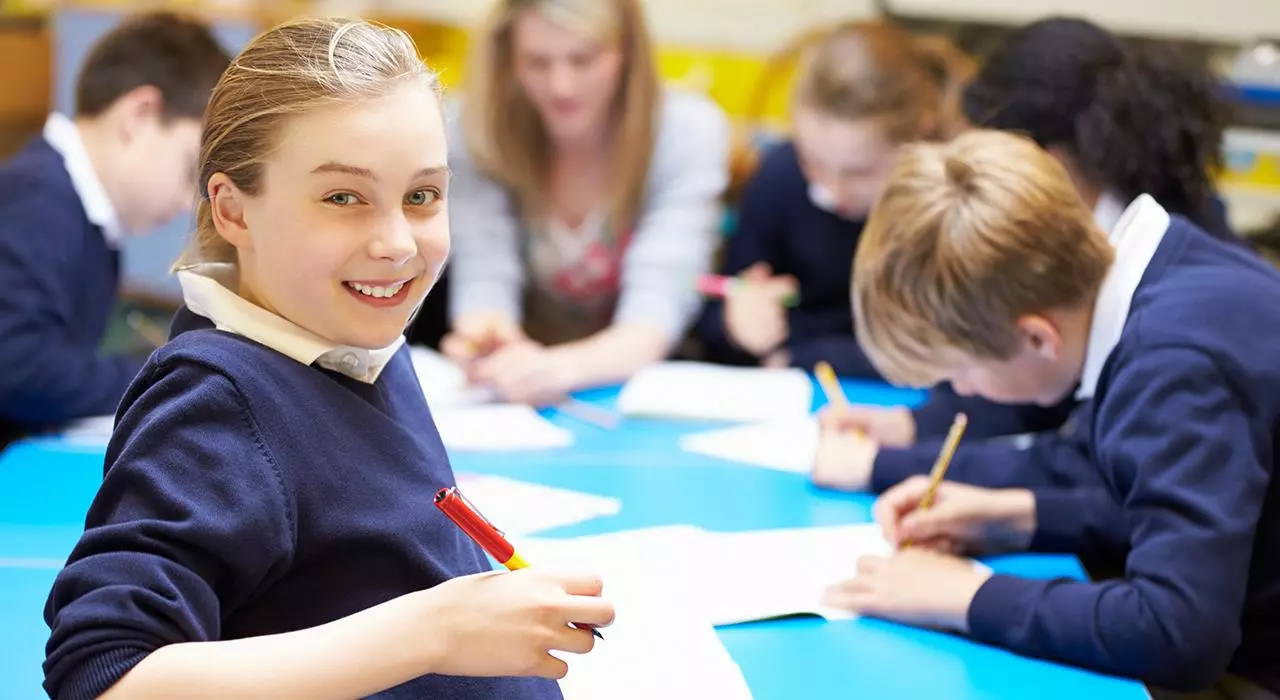
This Postgraduate diploma in Educational Coaching, Talent, Vocation and Creativity for Psychologists contains the most complete and up-to-date scientific program on the market"
Module 1. Neurosciences and Education
1.1. Neuroscience
1.1.1. Introduction
1.1.2. Concept of Neuroscience
1.1.3. Neuromyths
1.1.3.1. We Only Use 10% of the Brain
1.1.3.2. Right Brain vs. Left Brain
1.1.3.3. Learning Styles
1.1.3.4. Male Brain vs. Female Brain
1.1.3.5. Critical Learning Periods
1.2. The Brain
1.2.1. Brain Structures
1.2.1.1. Cerebral Cortex
1.2.1.2. Cerebellum
1.2.1.3. Basal Ganglia
1.2.1.4. Limbic System
1.2.1.5. Brainstem
1.2.1.6. Thalamus
1.2.1.7. Spinal Cord
1.2.1.8. Main Functions of the Brain
1.2.2. Triune Model
1.2.2.1. The Reptilian Brain
1.2.2.2. The Emotional Brain
1.2.2.3. The Neocortex
1.2.3. Bilateral Model
1.2.3.1. The Right Hemisphere
1.2.3.2. The Left Hemisphere
1.2.3.3. Functioning of the Cerebral Hemispheres
1.2.4. Cognitive Brain and Emotional Brain
1.2.4.1. The Rational Brain
1.2.4.2. The Emotional Brain
1.2.5. Neurons
1.2.5.1. What Are They?
1.2.5.2. Neuronal Pruning
1.2.6. What are Neurotransmitters?
1.2.6.1. Dopamine
1.2.6.2. Serotonin
1.2.6.3. Endorphin
1.2.6.4. Glutamate
1.2.6.5. Acetylcholine
1.2.6.6. Norepinephrine
1.3. Neuroscience and Learning
1.3.1. What is Learning?
1.3.1.1. Learning as Memorization
1.3.1.2. Learning as Accumulation of Information
1.3.1.3. Learning as Interpretation of Reality
1.3.1.4. Learning as Action
1.3.2. Mirror Neurons
1.3.2.1. Learning by Example
1.3.3. Levels of Learning
1.3.3.1. Bloom's Taxonomy
1.3.3.2. SOLO Taxonomy
1.3.3.3. Levels of Knowledge
1.3.4. Learning Styles
1.3.4.1. Convergent
1.3.4.2. Divergent
1.3.4.3. Accommodating
1.3.4.4. Assimilator
1.3.5. Types of Learning
1.3.5.1. Implicit Learning
1.3.5.2. Explicit Learning
1.3.5.3. Associative Learning
1.3.5.4. Significant Learning
1.3.5.5. Cooperative Learning
1.3.5.6. Cooperative Learning
1.3.5.7. Emotional Learning
1.3.5.8. Rote Learning
1.3.5.9. Discovery Learning
1.3.6. Competencies for Learning
1.4. Multiple intelligencesz
1.4.1. Definition
1.4.1.1. According to Howard Gardner
1.4.1.2. According to other Authors
1.4.2. Classification
1.4.2.1. Linguistic Intelligence
1.4.2.2. Logical-mathematical Intelligence
1.4.2.3. Spatial Intelligence
1.4.2.4. Musical Intelligence
1.4.2.5. Body and Kinesthetic Intelligence
1.4.2.6. Intrapersonal Intelligence
1.4.2.7. Interpersonal Intelligence
1.4.2.8. Naturopathic Intelligence
1.4.3. Multiple Intelligences and Neurodidactics
1.4.4. How to Work the IIMM in the Classroom
1.4.5. Advantages and Disadvantages of Applying the IIMM in Education
1.5. Neuroscience- Education
1.5.1. Neuroeducation
1.5.1.1. Introduction
1.5.1.2. What is Neuroeducation?
1.5.2. Brain Plasticity
1.5.2.1. Synaptic Plasticity
1.5.2.2. Neurogenesis
1.5.2.3. Learning, Environment, and Experience
1.5.2.4. The Pygmalion Effect
1.5.3. Memory
1.5.3.1. What is Memory?
1.5.3.2. Types of Memory
1.5.3.3. Levels of Processing
1.5.3.4. Memory and Emotion
1.5.3.5. Memory and Motivation
1.5.4. Emotion
1.5.4.1. Binomial Emotion and Cognition
1.5.4.2. Primary Emotions
1.5.4.3. Secondary Emotions
1.5.4.4. Functions of Emotions
1.5.4.5. Emotional States and Implication in the Learning Process
1.5.5. Attention
1.5.5.1. Attentional Networks
1.5.5.2. Relationship between Attention, Memory, and Emotion
1.5.5.3. Executive Attention
1.5.6. Motivation
1.5.6.1. The 7 Stages of School Motivation
1.5.7. Contributions of Neuroscience to Learning
1.5.8. What is Neurodidactics?
1.5.9. Contributions of Neurodidactics to Learning Strategies
1.6. Neuroeducation in the Classroom
1.6.1. The figure of the Neuroeducator
1.6.2. Neuroeducational and Neuropedagogical Importance
1.6.3. Mirror Neurons and Teacher Empathy
1.6.4. Empathic Attitude and Learning
1.6.5. Classroom Applications
1.6.6. Classroom Organization
1.6.7. Proposal for Classroom Improvement
1.7. Playing and New Technologies
1.7.1. Etymology of Playing
1.7.2. Benefits of Playing
1.7.3. Learning by Playing
1.7.4. The Neurocognitive Process
1.7.5. Basic Principles of Educational Games
1.7.6. Neuroeducation and Board Games
1.7.7. Educational Technology and Neuroscience
1.7.7.1. Integration of Technology in the Classroom
1.7.8. Development of Executive Functions
1.8. Body and Brain
1.8.1. The Connection between Body and Brain
1.8.2. The Social Brain
1.8.3. How do we prepare the Brain for Learning?
1.8.4. Feeding
1.8.4.1. Nutritional Habits
1.8.5. Rest
1.8.5.1. Importance of Sleep in Learning
1.8.6. Exercise
1.8.6.1. Physical Exercise and Learning
1.9. Neuroscience and School Failure
1.9.1. Benefits of Neuroscience
1.9.2. Learning Disorders
1.9.3. Elements for a Success-oriented Pedagogy
1.9.4. Some Suggestions for Improving the Learning Process
1.10. Reason and Emotion
1.10.1. The Binomial Reason and Emotion
1.10.2. What are Emotions good for?
1.10.3. Why Educate Emotions in the Classroom
1.10.4. Effective Learning through Emotions
Module 2. Educational Coaching
2.1. What is Educational Coaching? Basis and Foundations
2.1.1. Definition and Connection with Educational and Psychological Theories
2.1.2. Educating in the Will of Meaning
2.1.3. Nonodynamics and Coaching
2.1.4. Logopedagogy, Coaching and Education in the Self
2.1.5. Challenges for the Education of the Self from Coaching and Logopedagogy
2.1.6. Coaching at the Service of the Dialogic Encounter between Teacher and Student. Pedagogy of Otherness
2.1.7. Helping Relationship Styles and Coaching
2.2. Areas of Application of Coaching in Education
2.2.1. Coaching in the Context of the Teacher-Student Relationship Shared Tutoring
2.2.2. Coaching in the Context of the Student-Student Relationship. Peer Tutoring
2.2.3. Coaching for the Development of the Teaching Profession
2.2.4. Teaching Teams and Faculty Team Spirit, Synergies
2.2.5. Management Teams and the Development of Executive Tools
2.2.6. Coaching for Parents
2.3. Benefits of its Application in Educational Contexts
2.3.1. Coaching and Development of Executive Functions and Metacognition
2.3.2. Coaching and Educational Support Needs
2.3.3. Coaching to Achieve Excellence
2.3.4. Self-Esteem and Self-Concept Development
2.4. Pedagogies Based on Cooperation and Autonomy Development and Coaching
2.4.1. Collaborative Pedagogies
2.4.2. Advantages of Collaborative Learning (CL)
2.4.3. How to Work with AC?
2.4.4. AC Techniques
2.5. Helping Relationship Styles and Coaching
2.5.1. The Teacher as Coach
2.5.2. Competencies of the Teacher as a "Coach" of the Student Body
2.5.3. Coaching in the Framework of Shared Mentoring
2.5.4. Teacher Skills as a Facilitator of Change
2.5.5. Classroom Group Applications
2.5.6. Teaching Teams and Faculty Team Spirit, Synergies
2.5.7. Management Teams and the Development of Executive Tools
Module 3. Talent, Vocation and Creativity
3.1. Talent and its Educational Importance
3.1.1. Talent
3.1.2. Components
3.1.3. Talent is Diverse
3.1.4. Measuring and Discovering Talent
3.1.5. Gallup Test
3.1.6. Garp Test
3.1.7. Career Scope
3.1.8. MBTI
3.1.9. Success DNA
3.2. Talent and Key Competencies
3.2.1. Key Competencies Paradigm
3.2.2. Key Competencies
3.2.3. The Role of the Intelligences
3.2.4. Knowledge: Uses and Abuses in Education
3.2.5. The Importance of Skills
3.2.6. The Differentiating Factor of Attitude
3.2.7. Relationship between Talent and Key Competencies
3.3. Talent Development
3.3.1. Learning Modalities. Richard Felder
3.3.2. The Element
3.3.3. Talent Development Procedures
3.3.4. Mentor Dynamics
3.3.5. Talent and Educational Approach
3.4. Motivation Mechanisms
3.4.1. Needs, Desires and Motivations
3.4.2. Decision Making
3.4.3. Executive Capabilities
3.4.4. Procrastination
3.4.5. Duty, Love and Pleasure in Education
3.4.6. Emotional Habits for Motivation
3.4.7. Motivational Beliefs
3.4.8. Values for Motivation
3.5. Vocation, Meaning and Purpose
3.5.1. The Importance of Vocation
3.5.2. Meaning and Purpose
3.5.3. Vision, Mission, Commitment
3.5.4. Exploring Vocation
3.5.5. Teaching Vocation
3.5.6. Educating for Vocation
3.6. Towards a Definition of Creativity
3.6.1. Creativity
3.6.2. Brain Functioning and Creativity
3.6.3. Intelligences, Talents and Creativity
3.6.4. Emotions and Creativity
3.6.5. Beliefs and Creativity
3.6.6. Divergent Thinking
3.6.7. Convergent Thinking
3.6.8. The Creative Process and its Phases
3.6.9. Disney Dynamics
3.7. Why Creativity?
3.7.1. Arguments for Creativity Today
3.7.2. Personal Creativity for Life
3.7.3. Creativity in Art
3.7.4. Creativity for Problem Solving
3.7.5. Creativity for Professional Development
3.7.6. Czreativity in the Coaching Process
3.8. Creativity Development
3.8.1. Conditions for Creativity
3.8.2. Artistic disciplines as Precursors of Creativity
3.8.3. The Art Therapy Approach
3.8.4. Creativity Applied to Challenges and Problem Solving
3.8.5. Relational Thinking
3.8.6. Edward de Bono's Hats
3.9. Creativity as a value in Education
3.9.1. The Need to Encourage Creativity in Education
3.9.2. Active Methodologies and Novelty
3.9.3. Educational Models that Value Creativity
3.9.4. Means, Times and Spaces to Apply Creativity in the Classroom
3.9.5. Disruptive Education
3.9.6. Visual Thinking
3.9.7. Design Thinking
3.10. Creative Techniques
3.10.1. Relational Thinking Techniques
3.10.2. Techniques for Generating Ideas
3.10.3. Techniques for Evaluate Ideas
3.10.4. Exercises of Ingenuity
3.10.5. Artistic Disciplines for Creative Development
3.10.6. RCS Method
3.10.7. Other Techniques and Methods
Module 4. Coaching for the Transformation, Innovation and Educational Excellence
4.1. Well-Being as a Factor of Excellence in Educational Communities
4.1.1. Evolution of Society and its Impact on Education
4.1.1.1. Characteristics of Today's Society
4.1.1.2. Challenges of Today's Society
4.1.1.3. New Educational Needs
4.1.2. Social Factors
4.1.3. Professional Factors
4.1.4. Wellness and Excellence
4.1.5. Factors for Educational Well-Being
4.1.6. Inclusivity as a Reality
4.1.7. School and Family
4.2. Professional Development and Teacher Welfare Plan
4.2.1. Teacher Unrest
4.2.2. Teacher Welfare
4.2.3. Teaching and Personal Development
4.2.4. Personal and Professional Life
4.2.5. Teacher Review and Evaluation
4.2.6. Teacher Welfare as a Factor of Educational Excellence
4.2.7. Inspired to Inspire Life Paths
4.2.8. Teacher Welfare Plan
4.3. Educational Excellence
4.3.1. Towards a Concept of Excellence in Education
4.3.2. Teaching vs. Learning
4.3.3. Excellence Based on Needs
4.3.4. Demand and Excellence
4.3.5. Measurements and Factors
4.3.6. Management for Educational Excellence
4.4. Coaching for Innovation
4.4.1. Processes of Educational Innovation through Coaching
4.4.1.1. In Apprenticeships
4.4.1.2. In the Groups
4.4.1.3. In Teachers
4.4.1.4. In Executive Management
4.4.1.5. In the Center
4.4.2. Evaluation as a Tool for Innovation
4.4.3. What to Evaluate, When and How?
4.4.4. Objectives for Innovation
4.4.5. Establish Achievement Indicators
4.4.6. Process Monitoring
4.4.7. Celebrating Achievements
4.4.8. Educational Innovation Plan
4.5. Educating in the Will of Meaning
4.5.1. Approach to the Concept
4.5.2. The Thought of Viktor Frankl
4.5.3. Logotherapy and Education
4.6. Towards a Pedagogy of Interiority
4.6.1. Spirituality and Pedagogy
4.6.2. "Learning to Be."
4.7. Coaching for Integrative Education
4.7.1. Towards a Pedagogy of Interiority
4.7.2. Educating the Whole Person
4.7.3. Educating for the Three Centers
4.7.4. Duty and Pleasure in Education
4.7.5. Integrative Education
4.7.6. Conclusions: A Road Ahead
4.7.7. An Educational Project based on Educational Coaching
4.8. Meaning and Purpose of Education
4.8.1. The Golden Circle
4.8.2. Why and What For?
4.8.3. The How
4.8.4. The What
4.8.5. Alignment of Levels in Education
4.8.6. Educating in the Will of Meaning
4.8.7. Challenges for the Education of the Self from Coaching and Logopedagogy
4.8.8. Tools for the Alignment of Educational Levels
4.9. Educate to Be
4.9.1. Pedagogical Contributions in Education to Be
4.9.2. Report of the Faure Commission for UNESCO
4.9.3. Jacques Delors Report
4.9.4. Decalogue of an Education to Be
4.9.5. Beyond Knowledge
4.9.6. Educating for Life
4.9.7. Integrative Education
4.9.8. Inhabiting the Inside
4.9.9. Educating Ego and Self
4.9.10. Developing a Sense
4.9.11. Inclusivity and the Common Good
4.9.12. Self-Realization and Service
4.9.13. Transformation

A unique, key, and decisive training experience to boost your professional development”
Postgraduate Diploma in Educational Coaching, Talent, Vocation and Creativity for Psychologists.
Educational coaching for psychologists is a practice that focuses on helping students improve their academic performance and personal growth through the use of coaching techniques. The goal is to identify the obstacles that impede the student's success and work together with them to overcome those obstacles. The educational coach helps the student develop skills such as time management, organization, motivation and self-confidence.
Talent refers to a set of innate skills or abilities that a person possesses in a certain area. In education, a student's talent can be identified through tests and assessments that measure intelligence, creativity and other skills associated with academic success.
Vocation, on the other hand, refers to a personal inclination or disposition toward a particular activity or career. It is an internal drive that leads a person to develop his or her skills and talents in a specific direction. Fostering students' vocation is important to help them develop a successful and fulfilling career in the future.
Finally, creativity refers to a person's ability to generate novel and original ideas. In education, creativity is central to the development of critical thinking skills and complex problem solving. Psychologists can help students foster their creativity through the use of lateral thinking techniques and other tools that stimulate imagination and innovation.
TECH the world's largest digital university has the specialized academic program designed to provide psychologists and education professionals with advanced skills in educational coaching, identifying talents and vocations, and promoting creativity. They will learn the most advanced techniques and effective strategies to help students reach their full potential.