
University certificate
Accreditation/Membership
.png)







The world's largest faculty of medicine”
Introduction to the Program
Un programa exhaustivo y 100% online, exclusivo de TECH y con una perspectiva internacional respaldada por nuestra afiliación con Pediatric Resource Group”
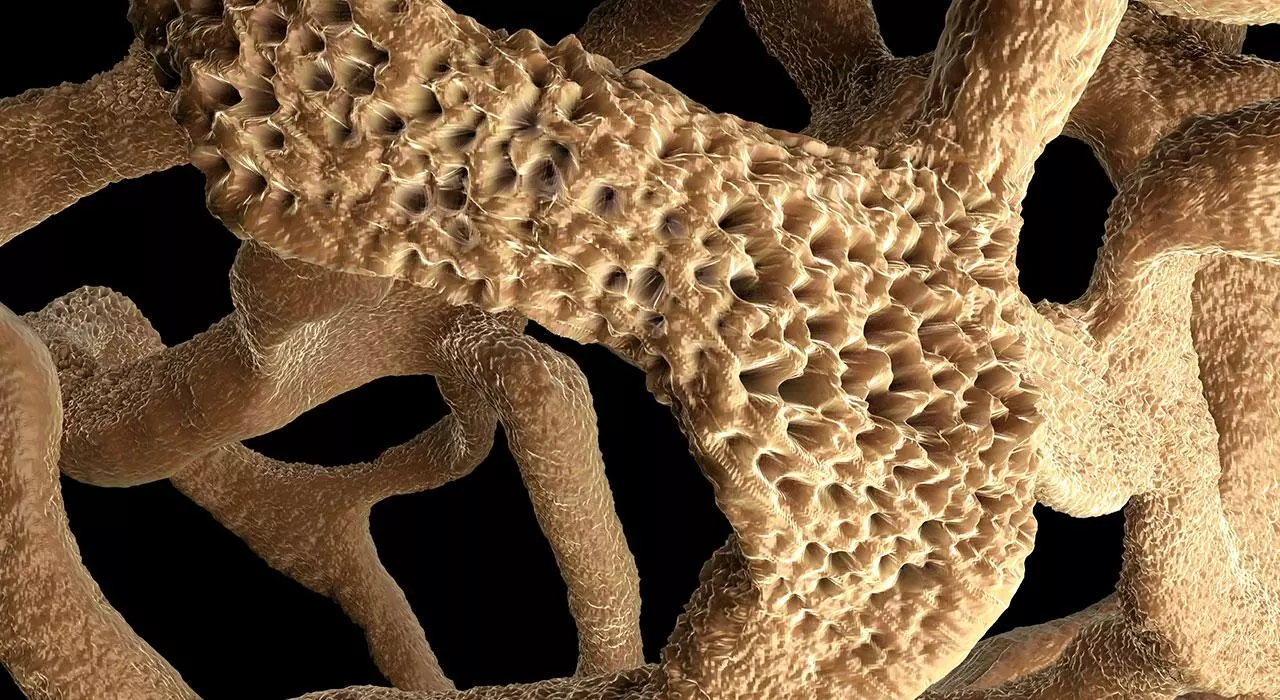
La Organización Mundial de la Salud destaca, mediante un nuevo estudio, que el Lupus Eritematoso afecta a más de 5 millones de niños a escala global. Asimismo, esta condición autoinmune puede comprometer múltiples órganos como la piel, articulaciones, riñones y sistema hematológico. Frente a esta tesitura, los especialistas requieren adquirir un enfoque multidisciplinario que les permita diagnosticar precozmente las afecciones e implementar tratamientos farmacológicos individualizados.
Con el fin de apoyarlos con esta labor, TECH presenta un exclusivo Postgraduate diploma en Management of Pediatric Rheumatic Diseases . Ideado por expertos de renombre, el plan de estudios abordará cuestiones que van desde la detección precoz de signos clínicos hasta la interpretación minuciosa de pruebas imagenológica. En sintonía con esto, el temario brindará numerosas estrategias de vanguardia para confeccionar intervenciones terapéuticas efectivas y altamente personalizadas. Además, los contenidos didácticos se enfocarán en el diseño de planes de rehabilitación holísticos y en el seguimiento multidisciplinario.
Por otro lado, esta opción académica se fundamenta en el revolucionario sistema del Relearning. Este sistema promueve una actualización de conocimientos progresiva a la par que natural, sin tener que invertir largas horas al estudio. Asimismo, los médicos tendrán flexibilidad para establecer sus propios horarios para compaginarlos con su labor asistencial a tiempo completo. De hecho, solo necesitarán un dispositivo con internet para entrar al Campus Virtual. Adicionalmente, en esta plataforma encontrarán un amplio abanico de píldoras multimedia de apoyo como vídeos en detalle, casos de estudio reales e incluso lecturas especializadas basadas en la última evidencia científica. Cabe destacar que un reputado Director Invitado Internacional ofrecerá unas rigurosas Masterclasses.
Asimismo, gracias a que TECH Global University es miembro de Pediatric Resource Group (PRG), el profesional contará con materiales especializados, guías y ejercicios avanzados para la práctica clínica en pediatría. Además, podrá asistir a eventos académicos, recibir descuentos en publicaciones y conectarse con una amplia red internacional de destacados investigadores, reforzando el conocimiento en este campo.
Un reputado Director Invitado Internacional brindará unas exhaustivas Masterclasses sobre las últimas tendencias en el Manejo de afecciones como el Lupus Eritematoso”
Esta Postgraduate diploma en Management of Pediatric Rheumatic Diseases contiene el programa universitario más completo y actualizado del mercado. Sus características más destacadas son:
- El desarrollo de casos prácticos presentados por expertos en Medicina
- Los contenidos gráficos, esquemáticos y eminentemente prácticos con los que están concebidos recogen una información científica y práctica sobre aquellas disciplinas indispensables para el ejercicio profesional
- Los ejercicios prácticos donde realizar el proceso de autoevaluación para mejorar el aprendizaje
- Su especial hincapié en metodologías innovadoras
- Las lecciones teóricas, preguntas al experto, foros de discusión de temas controvertidos y trabajos de reflexión individual
- La disponibilidad de acceso a los contenidos desde cualquier dispositivo fijo o portátil con conexión a internet
Impulsarás la investigación clínica y la revisión crítica de la evidencia científica en el ámbito de la Reumatología Pediátrica"
Incluye en su cuadro docente a profesionales pertenecientes al ámbito de la Medicina, que vierten en este programa la experiencia de su trabajo, además de reconocidos especialistas de sociedades de referencia y universidades de prestigio.
Su contenido multimedia, elaborado con la última tecnología educativa, permitirá al profesional un aprendizaje situado y contextualizado, es decir, un entorno simulado que proporcionará un estudio inmersivo programado para entrenarse ante situaciones reales.
El diseño de este programa se centra en el Aprendizaje Basado en Problemas, mediante el cual el alumno deberá tratar de resolver las distintas situaciones de práctica profesional que se le planteen a lo largo del curso académico. Para ello, el profesional contará con la ayuda de un novedoso sistema de vídeo interactivo realizado por reconocidos expertos.
Fomentarás la educación de las familias en cuidados y prevención de complicaciones derivadas de las Enfermedades Reumáticas Pediátricas"

La metodología Relearning empleada en este plan de estudios conseguirá que actualices tus conocimientos de forma autónoma y progresiva. ¡A tu propia velocidad!"
Syllabus
The contents of this Postgraduate diploma have been developed by the different experts on this program, with a clear purpose: to ensure that our students acquire each and every one of the necessary skills to become true experts in this field.
A comprehensive and well structured program that will lead you to the highest standards of quality and success. Expert patients participate in the preparation of the program, which adds a very original and close perspective, with real cases and situations that are not only clinical but also social. It has a holistic perspective, not just a medical one, making it of interest to healthcare professionals of any kind.
A comprehensive teaching program, structured in well developed teaching units, oriented towards learning that is compatible with your personal and professional life"
Module 1. Attitude Towards Children with Suspected RMD
1.1. Medical History
1.1.1. Frequent Reasons for Consultation in Pediatric RMD
1.1.2. Family Background
1.1.3. Personal Background
1.1.4. Key Questions in RMD
1.1.5. Relevant Organs and Apparatus
1.1.6. Growth and Development
1.2. Exploration of the Locomotor System in Pediatric Rheumatology
1.2.1. Exploration of Upper Limbs
1.2.2. Exploration of Lower Limbs
1.2.3. Exploration of the Spine
1.2.4. Exploration of Gait
1.2.5. General Examination Adapted to Rheumatology
1.3. Complementary Tests
1.3.1. Image
1.3.1.1. Radiography
1.3.1.2. Ultrasound
1.3.1.3. Resonance
1.3.1.4. Others
1.3.2. Laboratory Tests
1.3.2.1. Blood Count:
1.3.2.2. Biochemistry
1.3.2.3. Reactants of the Acute Phase
1.3.2.4. Autoantibodies
1.3.2.5. Serology and Supplementation
1.3.2.6. Microbiology
1.3.2.7. Genetic Studies
1.3.2.8. Biomarkers
1.3.3. Study of Synovial Fluid
1.3.4. Clinical neurophysiology
Module 2. Musculoskeletal Pain in Children and Adolescents
2.1. What is Pain?
2.1.1. Theories about Pain
2.1.2. The Pain Experience
2.1.3. Pain Pathways
2.2. Pain Assessment
2.2.1. Characteristics of Pain
2.2.2. Measuring Pain
2.2.3. Pain Localization
2.2.3.1. Knee Pain
2.2.3.2. Hip Pain
2.2.3.3. Ankle and Foot Pain
2.2.3.4. Cervical Pain
2.2.3.5. Back Pain
2.2.3.6. Shoulder, Elbow and Wrist Pain
2.2.3.7. Generalized Pain
2.3. Musculoskeletal Pain in Children
2.3.1. Expression of Pain
2.3.2. Conduct
2.3.3. The Impact of Pain
2.3.3.1. Social Impact
2.3.3.2. Family
2.4. Pain Management
2.4.1. Pharmacological Treatment- General Guidelines
2.4.2. Non-Pharmacological Treatment- General Guidelines
Module 3. Musculoskeletal Alterations
3.1. Inflammatory Joint Pathology
3.1.1. Monoarthritis
3.1.1.1. Most Frequent Causes
3.1.1.2. Diagnostic Attitude
3.1.1.3. Therapeutic Approach
3.1.2. Oligoarthritis
3.1.2.1. Most Frequent Causes
3.1.2.2. Diagnostic Attitude
3.1.2.3. Therapeutic Approach
3.1.3. Polyarthritis
3.1.3.1. Most Frequent Causes
3.1.3.2. Diagnostic Attitude
3.1.3.3. Therapeutic Approach
3.2. Inflammation of the Entheses
3.2.1. Most Frequent Causes
3.2.2. Diagnostic Attitude
3.2.3. Therapeutic Approach
3.3. Muscular Pathology
3.3.1. Inflammatory Myopathies
3.3.2. Non-Inflammatory Myopathies
3.4. Non-Inflammatory Joint Pathology
3.5. Bone Pathology
3.5.1. Osteomyelitis
3.5.2. Osteoporosis
3.5.3. Tumours
Module 4. Systemic Inflammation
4.1. Systemic Manifestations of Inflammation
4.1.1. Fever
4.1.2. Constitutional Syndrome
4.1.3. Fatigue
Module 5. Other Musculoskeletal Symptoms
5.1. Gait Disorders
5.1.1. Movement Analysis
5.1.2. Limping
5.1.3. Convergent and Divergent Gait
5.2. Hyperlaxity
5.2.1. Frequency (F)
5.2.2. Assessment
5.2.3. Management
5.3. Angular and Torsional Deformities in Children
5.3.1. Scoliosis
5.3.2. Contractures and Joint Retraction
5.3.2.1. Infantile Valgus Flatfoot and Forefoot Deformities
5.3.2.2. Clubfoot
5.3.3. Hip Pathology in Growth
5.3.3.1. Hip Dysplasia
5.3.3.2. Perthes' Disease, Epiphysiolysis Capitisfemoris
5.4. Limb Length Discrepancy
5.4.1. Frequency (F)
5.4.2. Assessment
5.4.3. Management
5.5. Sports Injuries
5.5.1. Frequency (F)
5.5.2. Assessment
5.5.3. Management
Module 6. Non-Pharmacological Treatment and Psychosocial Support
6.1. Exercise and Physical Activity in Children
6.1.1. Exercise, Physical Activity and Sport
6.1.2. Specifics of Exercise in Children with RMD
6.2. Rehabilitation
6.2.1. Splints and Orthoses
6.2.2. Physical Therapies in Children
6.3. Orthopedic Surgery
6.3.1. Special Features of Immature Bone and the Growing Skeleton
6.3.2. Infantile Fractures
6.3.2.1. Most Common Traumatic Fractures and Traumatic Epiphysiolysis
6.3.2.2. Common Techniques of Osteosynthesis in Children
6.3.3. Infection Management in the Locomotor System in Children
6.3.4. Surgery of Growing Spine Deformities
6.3.5. Osteotomies of the Pelvis and the Upper Extremity of the Femur
6.4. Nutritional Advice
6.4.1. Obesity
6.4.2. Malnutrition
6.4.3. Supplements
6.5. Psychological Approach to Pediatric RMDs
6.5.1. Fears, Phobias and Anxieties
6.5.2. Generalized Anxiety Disorder and Panic Disorder
6.5.3. Depression in Childhood and Adolescence
6.5.4. Sleep Disorders
6.5.5. Eating Disorders
6.5.6. Dissocial Disorder
6.5.7. Learning Disorders
6.5.8. Training of Parents of Children with RMD
6.5.9. Family Behavioral Intervention
6.6. Occupational Intervention
6.6.1. Occupational Schedules
6.6.2. Play as Therapy
6.6.3. Technical Aids
6.7. What Not to Do?
Module 7. Preventive Activities
7.1. Vaccines
7.1.1. Official Vaccination - Peculiarities to Be Taken into Consideration
7.1.2. Extra Vaccination According to Diseases and Treatments
7.2. Chemoprophylaxis
7.2.1. What to Do in the Event of Surgery?
7.2.2. What to Do in the Event of Intercurrent Infections?
7.3. Tuberculosis Screening
7.3.1. To Whom?
7.3.2. Existing Tests
7.3.3. What to Do in Case of a Positive Test?
7.4. Osteoporosis Screening in Children
7.4.1. To Who?
7.4.2. Existing Tests
7.4.3. What to Do in Case of a Positive Test?
A unique, key, and decisive educational experience to boost your professional development”
Postgraduate Diploma in Pediatric Rheumatic Diseases Management
Due to the lack of complete and comprehensive studies, rheumatic diseases can be serious and have a significant impact on the quality of life of children. Therefore, it is essential to provide comprehensive care not only to patients, but also to their families throughout the entire process. And in this Postgraduate Diploma in Management of Pediatric Rheumatic Diseases you will delve into all the keys to this, benefiting from a comprehensive approach: from attention, care before and after diagnosis to pharmacological criteria and psychological care.
Incorporate the best medical strategies for rheumatic pathology into your work methodology.
This 100% online program provides the most up-to-date high-level preparation in the market, with a holistic approach that is acquired throughout the academic journey. This Postgraduate Diploma in Management of Pediatric Rheumatic Diseases will provide you with a detailed guide to disease management, from the time of diagnosis to procedures and attitudes to avoid in medical practice. In addition, expert patients will be involved to provide a different and complete perspective on the meaning of rheumatic pathologies. All this and more will be at your disposal in only 450 hours of educational experience, time in which TECH will turn you into an outstanding expert in the field.