
University certificate
Accreditation/Membership








The world's largest faculty of sports science”
Introduction to the Program
Conviértete en parte del cambio hacia la excelencia en un sector en auge y fomenta el ejercicio de movilidad y fuerza con completo Postgraduate diploma”
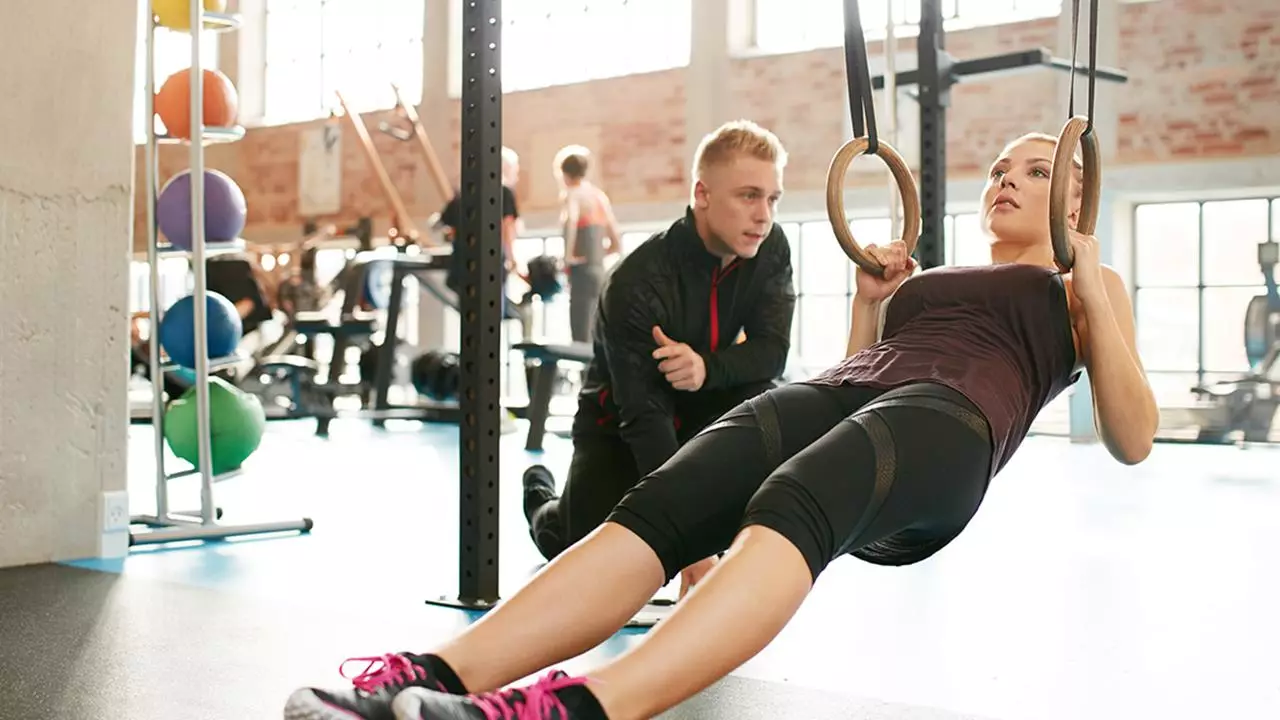
Siendo plenamente conscientes del desconocimiento general que existe sobre el entrenamiento de movilidad, esta Postgraduate diploma buscará establecer un punto de partida hacia el conocimiento y diferencias entre los conceptos y creencias populares sobre la movilidad y su entrenamiento, así como, los objetivos y diferentes métodos de aplicación y su repercusión en el tiempo a nivel neuromuscular y, por consecuencia, en el rendimiento deportivo, ya sea optimizando o reduciendo los tiempos de recuperación.
En esta misma línea, se profundizará en los diferentes sistemas y métodos de entrenamiento de la movilidad, como reconocer el momento, las características de tiempo, intensidad o duración, así como el contexto en el que se deben aplicar si se quiere obtener unos objetivos u otros. Es por eso que, a través de esta Postgraduate diploma, el alumno podrá disponer de los conocimientos y recursos didácticos para una intervención eficaz y eficiente sobre el deportista.
Por otro lado, también se estudiará la fuerza como capacidad física la cual ha adquirido en los últimos años un nivel máximo de importancia. Tal es así, que en algunos ámbitos se denomina “cualidad madre”.
Así, en esta Postgraduate diploma se desarrollará en primera instancia una completa base teórica en la que sustentar la importancia del entrenamiento de fuerza, así como una correcta definición terminológica. De la misma forma, se profundiza en los métodos más eficientes a la hora de desarrollar fuerza–potencia de tal manera que el alumno se sienta con las mejores herramientas a la hora de enfrentarse una programación de fuerza con éxito.
Para todo esto se dotará al alumno de los últimos avances científicos y tecnológicos para el control de las cargas, dotándolo así de la información teórico-práctica más completa del mercado actual.
Todo ello, condensado en un programa académico de alto valor curricular que se desarrolla en tan solo seis meses, y que se convertirá en un elemento diferenciador en el currículo del alumno. Un plan académico que entiende las necesidades profesionales de los estudiantes y las del mercado y las suple a partir del contenido más completo y actualizado del sector.
Si lo que quieres es aumentar tus estudios, sin renunciar al resto de tus actividades diarias, entonces esta Postgraduate diploma es para ti”
Esta Postgraduate diploma en Mobility, Strength and Targeted Training for Fitness Instructors contiene el programa científico más completo y actualizado del mercado. Las características más destacadas son::
- El desarrollo de casos prácticos presentados por expertos en Actividad Física y Deporte
- Los contenidos gráficos, esquemáticos y eminentemente prácticos con los que están concebidos recogen una información científica y práctica sobre aquellas disciplinas indispensables para el ejercicio profesional
- Los ejercicios prácticos donde realizar el proceso de autoevaluación para mejorar el aprendizaje
- Su especial hincapié en metodologías innovadoras
- Las lecciones teóricas, preguntas al experto, foros de discusión de temas controvertidos y trabajos de reflexión individual
- La disponibilidad de acceso a los contenidos desde cualquier dispositivo fijo o portátil con conexión a internet
Al tratarse de un programa académico impartido en modalidad online, podrás estudiar dónde y cuándo quieras. Solo necesitarás un dispositivo electrónico con acceso a internet”
El programa incluye, en su cuadro docente, a profesionales del sector que vierten en este programa de actualización la experiencia de su trabajo, además de reconocidos especialistas de sociedades de referencia y universidades de prestigio.
Su contenido multimedia, elaborado con la última tecnología educativa, permitirá al profesional un aprendizaje situado y contextual, es decir, un entorno simulado que proporcionará una capacitación inmersiva programada para entrenarse ante situaciones reales.
El diseño de este programa se centra en el Aprendizaje Basado en Problemas, mediante el cual el profesional deberá tratar de resolver las distintas situaciones de práctica profesional que se le planteen a lo largo del curso académico. Para ello, el profesional contará con la ayuda de un novedoso sistema de vídeo interactivo realizado por reconocidos expertos.
Da un giro a tu carrera profesional de 180º cursando esta Postgraduate diploma"

Especialízate en un sector en auge y comienza a ver como florecen tus oportunidades laborales"
Syllabus
In order for the professional to acquire top-level knowledge, the structure and contents of this Postgraduate diploma have been conceived, designed and created by a group of professionals of reference in the physical activity sector. This team, aware of the relevance and timeliness of education in this field, has made a major effort to generate the most complete and up-to-date syllabus on the market. A compendium of contents that is complemented by the work of other experts, who provide the syllabus with a highly didactic multimedia format that provides the student with an immersive, complete and contextual learning experience.

TECH will provide you with the most complete and up-to-date content on the market that will become your theoretical support when facing your daily work"
Module 1. Mobility Training
1.1. Neuromuscular System
1.1.1. Neurophysiological Principles: Inhibition and Excitability
1.1.1.1. Adaptations of the Nervous System
1.1.1.2. Strategies to Modify Corticospinal Excitability
1.1.1.3. Keys to Neuromuscular Activation
1.1.2. Somatosensory Information Systems
1.1.2.1. Information Subsystems
1.1.2.2. Types of Reflexes
1.1.2.2.1. Monosynaptic Reflexes
1.1.2.2.2. Polysynaptic Reflexes
1.1.2.2.3. Musculotendinous-Articular Reflexes
1.1.2.3. Responses to Dynamic and Static Stretches
1.2. Motor Control and Movement
1.2.1. Stabilizing and Mobilising Systems
1.2.1.1. Local System: Stabilizer System
1.2.1.2. Global System: Mobilizing System
1.2.1.3. Respiratory Pattern
1.2.2. Movement Pattern
1.2.2.1. Coactivation
1.2.2.2. Joint by Joint Theory
1.2.2.3. Primary Motion Complexes
1.3. Understanding Mobility
1.3.1. Key Concepts and Beliefs in Mobility
1.3.1.1. Manifestations of Mobility in Sport
1.3.1.2. Neurophysiological and Biomechanical Factors Influencing Mobility Development
1.3.1.3. Impact of Mobility on Strength Development
1.3.2. Objectives of Training Mobility in Sport
1.3.2.1. Mobility in the Training Session
1.3.2.2. Benefits of Mobility Training
1.3.3. Mobility and Stability by Structures
1.3.3.1. Foot-Ankle Complex
1.3.3.2. Knee-Hip Complex
1.3.3.3. Spine-Shoulder Complex
1.4. Training Mobility
1.4.1. Fundamental Block
1.4.1.1. Strategies and Tools to Optimize Mobility
1.4.1.2. Specific Pre-Exercise Plan
1.4.1.3. Specific Post-Exercise Plan
1.4.2. Mobility and Stability in Basic Movements
1.4.2.1. Squat and Deadlift
1.4.2.3. Acceleration and Multidirection
1.5. Methods of Recovery
1.5.1. Proposal for Effectiveness Based on Scientific Evidence
1.6. Methods for Training Mobility
1.6.1. Tissue-Centered Methods: Passive Tension and Active Tension Stretching
1.6.2. Arthrokinematic-Focused Methods: Isolated Stretching and Integrated Stretching
1.6.3. Eccentric Training
1.7. Mobility Training Program
1.7.1. Effects of Stretching in the Short and Long Term
1.7.2. Optimal Timing for Applying Stretching
1.8. Athlete Assessment and Analysis
1.8.1. Functional and Neuromuscular Assessment
1.8.1.1. Assessment
1.8.1.2. Assessment Process
1.8.1.2.1. Analyze the Movement Pattern
1.8.1.2.2. Identify the Test
1.8.1.2.3. Detect the Weak Links
1.8.2. Athlete Assessment Methodology
1.8.2.1. Types of Tests
1.8.2.1.1. Analytical Assessment Test
1.8.2.1.2. General Assessment Test
1.8.2.1.3. Specific–Dynamic Assessment Test
1.8.2.2. Assessment by Structures
1.8.2.2.1. Foot– Ankle Complex
1.8.2.2.2. Knee–Hip Complex
1.8.2.2.3. Spine–Shoulder Complex
1.9. Mobility in Injured Athletes
1.9.1. Pathophysiology of Injury: Effects on Mobility
1.9.1.1. Muscle Structure
1.9.1.2. Tendon Structure
1.9.1.3. Ligament Structure
1.9.2. Mobility and Preventiion of Injuries: Practical Case
1.9.2.1. Ruptured Ischialis in the Runner
Module 2. Strength Training
2.1. Strength
2.1.1. Strength from Mechanics
2.1.2. Strength from Physiology
2.1.3. Applied Strength
2.1.4. Time-Strength Curve
2.1.4.1. Interpretation
2.1.5. Maximum Strength Training
2.1.6. RFD
2.1.7. Useful Strength
2.1.8. Strength- Speed-Power Curves
2.1.8.1. Interpretation
2.1.9. Strength Deficit
2.2. Training Load
2.2.1. Strength Training Load
2.2.2. The Load
2.2.3. The Load: Volume
2.2.4. The Load: Intensity
2.2.5. The Load: Density
2.2.6. Nature of the Effort
2.3. Strength Training in the Prevention and Rehabilitation of Injuries
2.3.1. Prevention and Rehabilitation of Injuries
2.3.1.1. Terminology
2.3.1.2. Concepts
2.3.2. Strength Training and Injury Prevention and Rehabilitation Based on Scientific Evidence
2.3.3. Methodological Process of Strength Training in Injury Prevention and Functional Recovery
2.3.3.1. The Method
2.3.3.2. Applying the Method in Practice
2.3.4. Role of Core Stability (CORE) in Injury Prevention
2.3.4.1. CORE
2.3.4.2. CORE Training
2.4. Plyometric Method
2.4.1. Physiological Mechanisms
2.4.2. Muscle Actions in Plyometric Exercises
2.4.3. The Stretch-Shortening Cycle (SSC)
2.4.3.1. Use of Energy or Elastic Capacity
2.4.3.2. Reflex Involvement Series and Parallel Elastic Energy Accumulation
2.4.4. SSC Classification Scheme
2.4.4.1. Short SSC
2.4.4.2. Long SSC
2.4.5. Properties of the Muscle and Tendon
2.4.6. Central Nervous System
2.4.6.1. Recruitment
2.4.6.2. Frequency (F)
2.4.6.3. Synchronization
2.5. Power Training
2.5.1. Power
2.5.1.1. Power
2.5.1.2. Importance of Power in the Context of Sports Performance
2.5.1.3. Clarification of Power-Related Terminology
2.5.2. Factors Contributing to Peak Power Development
2.5.3. Structural Aspects Conditioning Power Production
2.5.3.1. Muscle Hypertrophy
2.5.3.2. Muscle Structure
2.5.3.3. Ratio of Fast and Slow Fibers in a Cross Section
2.5.3.4. Muscle Length and its Effect on Muscle Contraction
2.5.3.5. Quantity and Characteristics of Elastic Components
2.5.4. Neural Aspects Conditioning Power Production
2.5.4.1. Action Potential
2.5.4.2. Speed of Motor Unit Recruitment
2.5.4.3. Muscle Coordination
2.5.4.4. Intermuscular Coordination
2.5.4.5. Previous Muscle Status (PAP)
2.5.4.6. Neuromuscular Reflex Mechanisms and Their Incidence
2.5.5. Theoretical Aspects for Understanding the Strength–Time Curve
2.5.5.1. Strength Impulse
2.5.5.2. Phases of the Strength–Time Curve
2.5.5.3. Phases of Acceleration in the Strength–Time Curve
2.5.5.4. Maximum Acceleration Area of the Strength–Time Curve
2.5.5.5. Deceleration Phase of the Strength–Time Curve
2.5.6. Theoretical Aspects for Understanding Power Curves
2.5.6.1. Power–Time Curve
2.5.6.2. Power–Displacement Curve
2.5.6.3. Optimal Workload for Maximum Power Development
2.6. Force-Vector Training
2.6.1. The Force Vector
2.6.1.1. Axial Vector
2.6.1.2. Horizontal Vector
2.6.1.3. Rotational Vector
2.6.2. Benefits of Using this Terminology
2.6.3. Basic Vectors in Training
2.6.3.1. The Main Sporting Gestures
2.6.3.2. The Main Overload Exercises
2.6.3.3. The Main Training Exercises
2.7. Main Methods for Strength Training
2.7.1. Own Body Weight
2.7.2. Free Exercises
2.7.3. PAP
2.7.3.1. Definition
2.7.3.2. Application of PAP Prior to Energy-Related Sports Disciplines
2.7.4. Exercises with Machines
2.7.5. Complex Training
2.7.6. Exercises and Their Transfer
2.7.7. Contrasts
2.7.8. Cluster Training
2.8. VBT
2.8.1. Applying VBT
2.8.1.1. Degree of Stability of Execution Speed with Each Percentage of 1MR
2.8.2. Scheduled Load and Actual Load
2.8.2.1. Variables Involved in the Difference Between Programmed Load and Actual Training Load
2.8.3. VBT as a Solution to the Problem of Using 1MR and nMR to Program Loads
2.8.4. VBT and Degree of Fatigue
2.8.4.1. Connection to Lactate
2.8.4.2. Connection to Ammonium
2.8.5. VBT in Relation to the Loss of Speed and Percentage of Repetitions Performed
2.8.5.1. Define the Different Degrees of Effort in the Same Series
2.8.5.2. Different Adaptations According to the Degree of Speed Loss in the Series
2.8.6. Methodological Proposals According to Different Authors
2.9. Strength in Connection to Hypertrophy
2.9.1. Hypertrophy-Inducing Mechanism: Mechanical Stress
2.9.2. Hypertrophy-Inducing Mechanism: Metabolic Stress
2.9.3. Hypertrophy-Inducing Mechanism: Muscle Damage
2.9.4. Hypertrophy Programming Variables
2.9.4.1. Frequency (F)
2.9.4.2. Volume
2.9.4.3. Intensity
2.9.4.4. Cadence
2.9.4.5. Series and Repetitions
2.9.4.6. Density
2.9.4.7. Order in the Execution of Exercises
2.9.5. Training Variables and Their Different Structural Effects
2.9.5.1. Effect on Different Types of Fiber
2.9.5.2. Effects on the Tendon
2.9.5.3. Fascicle Length
2.9.5.4. Peneation Angle
2.10. Eccentric Strength Training
2.10.1. Eccentric Training
2.10.1.1. Eccentric Training
2.10.1.2. Different Types of Eccentric Training
2.10.2. Eccentric Training and Performance
2.10.3. Eccentric Training in the Prevention and Rehabilitation of Injuries
2.10.4. Technology Applied to Eccentric Training
2.10.4.1. Conical Pulleys
2.10.4.2. Isoinertial Devices
Module 3. Indoor Targeted Personal Training
3.1. Metabolic Syndrome
3.1.1. Metabolic Syndrome
3.1.2. Epidemiology of Metabolic Syndrome
3.1.3. The Patient with a Syndrome, Considerations for Intervention
3.2. Pathophysiological Bases
3.2.1. Definition of Metabolic Syndrome and Health Risks
3.2.2. Pathophysiological Aspects of the Disease
3.3. Assessment and Diagnosis
3.3.1. Metabolic Syndrome and its Assessment in the Clinical Setting
3.3.2. Biomarkers, Clinical Indicators and Metabolic Syndrome
3.3.3. Metabolic Syndrome, Its Assessment and Follow-Up by the Physical Exercise Specialist
3.3.4. Diagnosis and Intervention Protocol for Metabolic Syndrome
3.4. Protocols and Treatments
3.4.1. Lifestyle and Its Relationship with Metabolic Syndrome
3.4.2. Nutrition and Its Importance in Metabolic Syndrome
3.4.3. Exercise: Role with Metabolic Syndrome
3.4.4. The Patient with Metabolic Syndrome and Pharmacologic Treatment: Considerations for the Exercise Professional
3.5. Indoor Training Plan with Patients with Metabolic Syndrome
3.5.1. Customer Level Specification
3.5.2. Objectives
3.5.3. Assessment Processes
3.5.4. Operability with Respect to Spatial and Material Resources
3.6. Programming of Indoor Strength Training
3.6.1. Objectives of Strength Training for Metabolic Syndrome
3.6.2. Volume, Intensity and Recovery of Strength Training for Metabolic Syndrome
3.6.3. Selection of Exercises and Methods of Strength Training for People with Metabolic Syndrome
3.6.4. Design of Strength Training Programs for People with Metabolic Syndrome
3.7. Indoor Resistance Training Program
3.7.1. Objectives of Resistance Training for Metabolic Syndrome
3.7.2. Volume and Intensity and Recovery from Resistance Training for People with Metabolic Syndrome
3.7.3. Choice of Exercises and Methods of Resistance Training for People with Metabolic Syndrome
3.7.4. Design of Resistance Training Programs for People with Metabolic Syndrome
3.8. Precautions and Contraindications in Indoor Training
3.8.1. Assessments for the Performance of Physical Exercise in the Population with Metabolic Syndrome
3.8.2. Contraindications Regarding the Development of Activity in Patients with Metabolic Syndrome
3.9. Nutrition and Lifestyle in Patients with Metabolic Syndrome
3.9.1. Nutritional Aspects in Metabolic Syndrome
3.9.2. Examples of Nutritional Intervention in Metabolic Syndrome
3.10. Design of Indoor Training Programs for Patients with Metabolic Syndrome
3.10.1. Design of Training Programs for People with Diabetes
3.10.2. Design of Training Sessions for People with Diabetes
3.10.3. Design of Comprehensive (Interdisciplinary and Multidisciplinary) Intervention Programs for People with Diabetes

You are just one click away from increasing your professional skills and becoming a benchmark in the industry"
Postgraduate Diploma in Mobility, Strength and Targeted Training for Fitness Instructors
.
Develop your career as an expert in Mobility, Strength and Targeted Training for Fitness Instructors from the comfort of your home! TECH Global University presents this innovative virtual program. Are you ready to make a qualitative leap in your profession? You will have specialized skills and knowledge that will make you stand out as a highly qualified professional. You will be able to design customized training programs aimed at improving the mobility and strength of your clients. Become a reference in the field of fitness training, able to offer solutions tailored to the needs of each individual. Our teaching team is composed of nationally and internationally recognized experts, who will guide you through every step of your learning process. You will obtain a comprehensive specialization based on the latest scientific advances and the best practices in the sector. Enjoy an enriching educational experience, where you will be able to interact with professionals and peers from around the world, enriching your perspective and creating networks that will boost your career.
Power your career in the fascinating world of coaching!
.
During the course, you will address fundamental topics such as anatomy and physiology applied to movement, advanced training techniques, sports nutrition and injury prevention. You'll explore the latest trends in functional training and gain skills to adapt to the ever-changing fitness industry. By getting your Postgraduate Diploma, endorsed by TECH Global University, you will open doors to unparalleled career opportunities. This recognition accredits your experience and acquired knowledge, providing confidence and security to your future employers. Be part of an elite group of professionals who stand out in the competitive world of fitness and health. Studying at TECH Global University gives you an incredible opportunity to grow personally and professionally. Our institution is distinguished by its cutting-edge approach, academic quality and commitment to excellence. Get ready to work in renowned gyms, elite sports centers or even start your own business in the fitness industry. Enroll in TECH Global University's Postgraduate Diploma today and become a leader of change in the fitness industry.