
University certificate







The world's largest faculty of medicine”
Introduction to the Program
Gracias a esta Postgraduate diploma 100% online, dominarás las técnicas más innovadoras para el abordaje del Virus del Papiloma Humano y diseñarás estrategias de Prevención Primaria altamente efectivas”
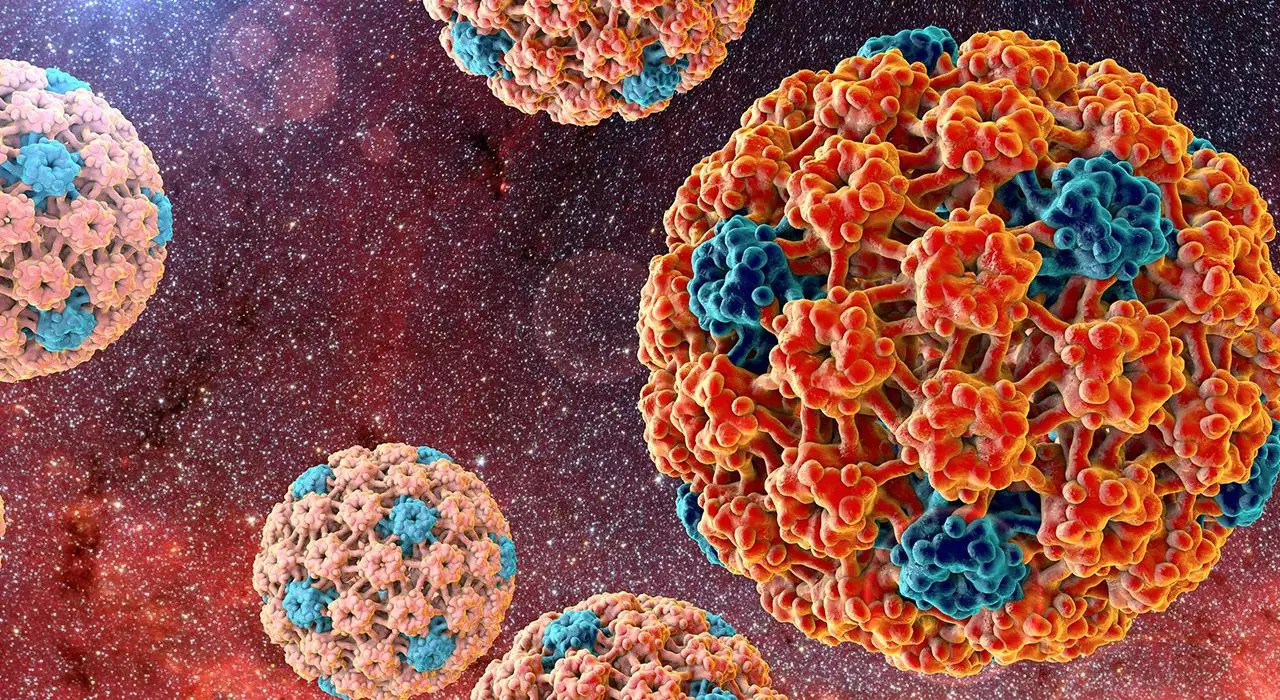
Según un reciente estudio realizado por la Organización Mundial de la Salud, cada año se registran aproximadamente 630.000 casos de Cáncer atribuibles al Virus del Papiloma Humano. Aunque 148 países han adoptado la vacuna en sus programas nacionales, persisten desigualdades significativas entre regiones de distinto nivel socioeconómico. Frente a esta realidad, los facultativos requieren actualizar sus conocimientos con frecuencia para incorporar en su praxis clínica habitual las mejores prácticas en Prevención Primaria para impulsar la asistencia vacunal, optimizar la concienciación sanitaria en la sociedad y asegurar un abordaje integral que contribuya a disminuir la incidencia asociada al VPH.
En este contexto, TECH presenta un vanguardista Postgraduate diploma en HPV and Primary Prevention. Concebido por expertos de renombre, el itinerario académico profundizará en áreas que abarcan desde la biología o epidemiología de esta afección hasta la implementación de estrategias de vacunación efectivas. Además, el temario ahondará en el uso de herramientas de última generación para la detección precoz de factores de riesgo y el diseño de programas preventivos innovadores. En sintonía con esto, los contenidos didácticos promoverán la mejora de las destrezas comunicativas y la interpretación crítica. De este modo, los egresados estarán elevadamente capacitados para optimizar la atención clínica y promover la salud pública mediante intervenciones basadas en evidencia científica más reciente.
Por otro lado, este programa universitario se basa en la disruptiva metodología del Relearning. Este sistema consiste en la reiteración estratégica y natural de los conceptos esenciales, favoreciendo una actualización de conocimientos progresiva. Así pues, los médicos no tendrán que dedicar largas horas al estudio. De hecho, solamente precisarán un dispositivo electrónico con internet para acceder al Campus Virtual. Allí dispondrán de una variedad de píldoras multimedia de apoyo como vídeos en detalle, lecturas complementarias o ejercicios prácticos. Adicionalmente, un reputado Director Invitado Internacional impartirá unas Masterclasses de alta intensidad.
Un prestigioso Director Invitado Internacional ofrecerá unas exclusivas Masterclasses sobre las estrategias terapéuticas más sofisticadas para el tratamiento del Virus del Papiloma Humano”
Esta Postgraduate diploma en HPV and Primary Prevention contiene el programa universitario más completo y actualizado del mercado. Sus características más destacadas son:
- El desarrollo de casos prácticos presentados por expertos en Medicina
- Los contenidos gráficos, esquemáticos y eminentemente prácticos con los que están concebidos recogen una información científica y práctica sobre aquellas disciplinas indispensables para el ejercicio profesional
- Los ejercicios prácticos donde realizar el proceso de autoevaluación para mejorar el aprendizaje
- Su especial hincapié en metodologías innovadoras
- Las lecciones teóricas, preguntas al experto, foros de discusión de temas controvertidos y trabajos de reflexión individual
- La disponibilidad de acceso a los contenidos desde cualquier dispositivo fijo o portátil con conexión a internet
Analizarás el impacto del Virus del Papiloma Humano en la salud pública, así como su relación con diferentes Enfermedades Oncológicas”
Incluye en su cuadro docente a profesionales pertenecientes al ámbito de la Medicina, que vierten en este programa la experiencia de su trabajo, además de reconocidos especialistas de sociedades de referencia y universidades de prestigio.
Su contenido multimedia, elaborado con la última tecnología educativa, permitirá al profesional un aprendizaje situado y contextualizado, es decir, un entorno simulado que proporcionará un estudio inmersivo programado para entrenarse ante situaciones reales.
El diseño de este programa se centra en el Aprendizaje Basado en Problemas, mediante el cual el alumno deberá tratar de resolver las distintas situaciones de práctica profesional que se le planteen a lo largo del curso académico. Para ello, el profesional contará con la ayuda de un novedoso sistema de vídeo interactivo realizado por reconocidos expertos.
Dispondrás de una sólida comprensión relativa a la epidemiología, biología y mecanismos de transmisión del Virus del Papiloma Humano”

El disruptivo sistema Relearning aplicado por TECH en sus titulaciones reduce las largas horas de estudio y memorización tan frecuentes en otras propuestas académicas. ¿A qué esperas para matricularte?”
Syllabus
The content of this course has been created by establishing an exhaustive overview of each and every one of the essential topics in the Cervical Cancer Screening and its Effects. With a sequential process that will take you through the topics, constantly acquiring new knowledge, this training will become an incredible leap towards the clinical forefront in this specialty.
A multidisciplinary team of experts has created the content of this course, bringing their years of experience to the training program.

A comprehensive teaching program, structured in well-developed teaching units, oriented towards learning that is compatible with your personal and professional life"
Module 1. The Human Papillomavirus: Characteristics and Epidemiology
1.1. Structure and Composition of HPV
1.1.1. General Description
1.1.2. Capsid
1.1.3. Genome
1.2. Genetic Map of HPV and its Biological Functions
1.2.1. Long Control Region
1.2.2. Early Gene Expression
1.2.3. Late Gene Expression
1.2.4. Replicative Cycle
1.3. Genotypes and their Clinical Importance
1.3.1. Concept of High and Low Risk
1.3.2. Low Risk Genotypes
1.3.3. High Risk Genotypes
1.3.4. Geographic Variations
1.4. HPV Detection Techniques
1.4.1. HPV Detection Techniques
1.4.2. DNA-VPH Detection Technique with Hybrid Capture
1.4.3. DNA-VPH Detection Technique with Partial Genotyping
1.4.4. DNA-VPH Detection Technique with Complete Genotyping
1.4.5. RNA Detection Techniques
1.4.6. FDA Validation for Screening and Diagnosis
1.5. Distribution of Genotypes in the World and in Our Environment
1.5.1. Epidemiology in Relation to the Burden of Disease
1.5.2. Geographic Variations
1.5.3. Genotype Distribution in Spain
1.6. Prevalence According to Age
1.6.1. In Women
1.6.2. In Men
1.7. Disease Burden of HPV
1.7.1. Pathology Associated with Genital Infection in Women (cervix, vagina, vulva.)
1.7.2. Pathology Associated with Genital Infection in Men (scrotum, penis and glans)
1.7.3. Pathology Associated with Anal Infection
1.7.4. Pathology Associated with Oropharynx Infection
1.7.5. Pathology Associated with Other Areas
Module 2. Pathogenesis of HPV and Immune Response: Intraepithelial neoplasia
2.1. Infection Routes
2.1.1. Sexual Contact
2.1.2. Objects
2.1.3. In the Medical Consultation
2.1.4. Role of Condoms
2.1.5. Vertical Transmission
2.1.6. Protection of Surgeons During Vaporization
2.2. Effect on the Immune System on HPV
2.2.1. Innate Immunity and Adaptive Immunity
2.2.2. General and Local Antibody Response
2.2.3. Inhibition of the Immune Response
2.2.4. Cellular Immunity Against the Lesion
2.2.5. Immunosenescence
2.3. Viral Production and Genome Integration
2.3.1. Difference Between High and Low Risk Viruses
2.3.2. Early and Late Gene Expression
2.3.3. Viral Persistence and Quiescence
2.3.4. Viral Clearance According to Age and Genotype
2.4. Role of Vaginal Microbiota
2.4.1. Definition of the Status Types of Bacteria Communities
2.4.2. Relationship Between Lesions and Different Types of Status
2.4.3. Role of Lactobacilli on Immunity
2.5. Development of Cervical Intraepithelial Neoplasia and Genital Warts
2.5.1. Dysregulation of Cellular Mechanisms by Viral Proteins
2.5.2. Progression
2.5.3. Regression
2.5.4. Relapse
Module 3. Primary Prevention: Preventative Vaccines for Cervical Cancer
3.1. Characteristics of Available Vaccines
3.1.1. Divalent Vaccine
3.1.2. Tetravalent Vaccine
3.1.3. Nonavalent Vaccine
3.1.4. New Vaccines
3.2. Immunogenicity
3.2.1. Seroconversion and Antibody Level
3.2.2. Correlation Between Antibody Level and Efficacy
3.2.3. Differences Between the Available Vaccines and Possible Relevance
3.2.4. Estimation of the Protection Duration
3.3. Vaccine Efficacy and Effectiveness
3.3.1. Long-term Efficacy Studies
3.3.2. Medium-term Effectiveness Studies
3.4. Immunization in Special Groups
3.4.1. HIV+ Patients
3.4.2. Transplant Patients
3.4.3. Immunosuppressed Patients
3.4.4. Men
3.4.5. Patients with HPV Lesions and/ or Treated Patients
3.5. Safety of the Vaccine Against HPV
3.5.1. Safety Profile
3.5.2. Most Frequent Adverse Events
3.5.3. Pharmacovigilance
3.6. Current Status of Vaccination in the World and in Spain
3.6.1. Worlwide Vaccine Coverage
3.6.2. Spain Vaccine Coverage
3.6.3. Perspectives of Erradicating the Burden of Disease
Module 4. Therapeutic Vaccines for Cervical Cancer
4.1. Biological Basis of Therapeutic Vaccines
4.1.1. Concept of Therapeutic Vaccines
4.1.2. Cytotoxicity Analysis of the Immune System
4.1.3. Target Antigens
4.2. Types of Therapeutic Vaccines
4.2.1. Based on Proteins and Peptides
4.2.2. Based on DNA
4.2.3. Based on Nanoparticles
4.2.4. Based on Cells
4.2.4.1. Activated Dendritic Cells
4.2.4.2. Processed Tumor Cells
4.2.5. Based on Bacterial Vectors and Living Viruses
4.3. Vaccines Against Low Grade Lesions
4.3.1. Design of Vaccine Against ASUS-LSIL
4.3.2. Clinical Trials and Results
4.3.3. Safety
4.4. Vaccines Against High Grade Lesions
4.4.1. Design of Vaccine Against ASUS-LSIL
4.4.2. Clinical Trials and Results
4.5. Vaccines Against Cancer
4.5.1. Design of Vaccine Against ASUS-LSIL
4.5.2. Clinical Trials and Results
4.5.3. Immunotherapy
4.6. Safety of Therpaeutic Vaccines
4.6.1. Safety Profile
4.6.2. Most Frequent Adverse Events
4.6.3. Vaccine Failure
4.7. Future of Therpaeutic Vaccines
4.7.1. New Models
4.7.2. New Target Antigens
4.7.3. Other Ways of Stimulating the Immune System Against HPV

If your goal is to become a healthcare professional capable of communicating fluently in English, this program is for you"
Postgraduate Diploma in HPV and Primary Prevention
Every year around 490,000 cases of cervical cancer occur worldwide, 270,000 of which result in death. This oncological pathology develops due to lesions in the cervix that can be caused by infection with Human Papilloma Virus (HPV), one of the most common sexually transmitted diseases (STD) and of which there are about 100 viral types: several of which have a high mortality rate due to their carcinogenic nature. Fortunately, a correct preventive plan and early treatment greatly minimize its lethality. Here at TECH Global University we have developed the Postgraduate Certificate in HPV and Primary Prevention as a means to achieve this goal. Our online model is designed to provide medical personnel with all the necessary knowledge in an easy, dynamic and effective way at the level of competencies, bringing together the ideal expertise to address the disease and provide reliable support to patients who suffer from it, mainly women.
Specialize in HPV prevention and treatment
The papillomavirus is more common than you might think. Studies indicate that 80% of women have suffered an infection by one of the multiple existing types of this pathology. It should be clarified that these represent mostly benign cases in which the risk of morbidity is low, with total disappearance of the infectious symptomatology after 1 to 2 years. This, of course, does not imply that HPV should be taken lightly, on the contrary, an accurate preventive diagnosis and a detailed study of the cases can be the differential factor between a mild condition and a neoplasm. Our program will educate you on all facets of HPV: from its characteristics, epidemiology, pathogenesis and immune response to everything related to cervical cancer vaccines. We have a multidisciplinary team of professors who have the most notable experience in the medical-clinical areas so you will have access to real cases and practical considerations in the working world. Because we know that STDs are a reality that affects millions of lives, at TECH we encourage you to be an agent of change.