
University certificate







The world's largest faculty of education”
Introduction to the Program
El mundo sociolaboral requiere del psicopedagogo un constante esfuerzo de actualización. Con este Postgraduate diploma en Psychopedagogical Intervention te lo ponemos muy fácil”
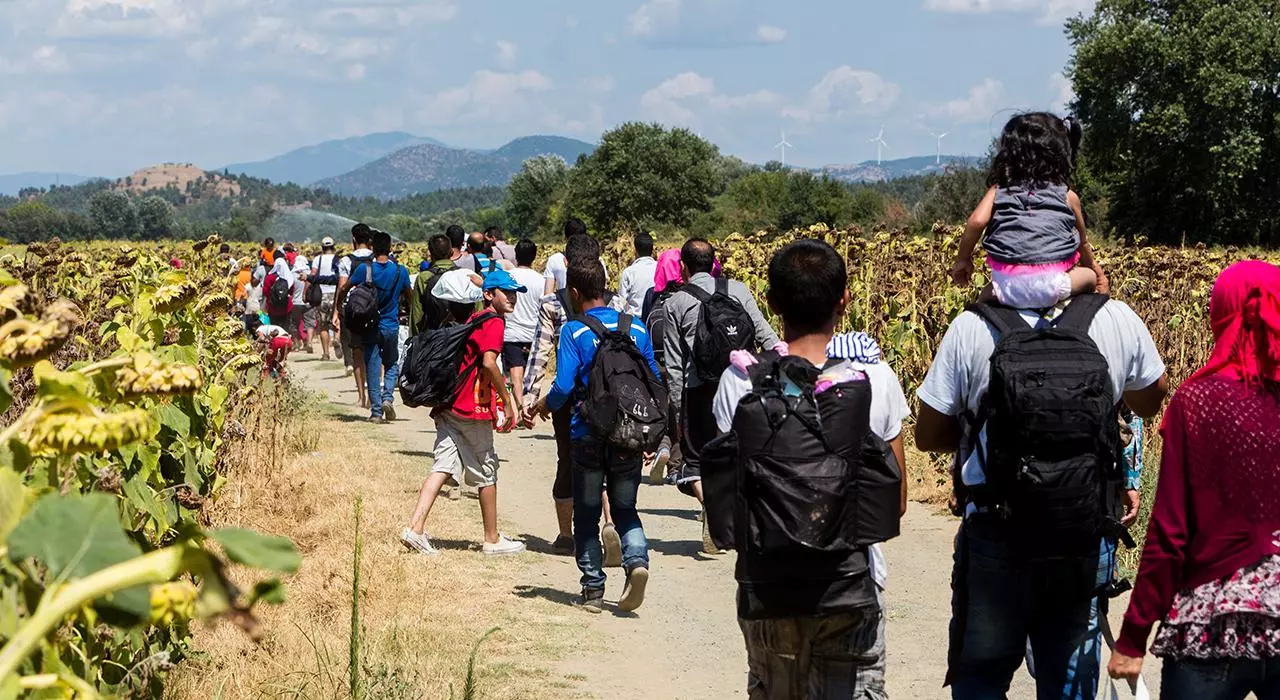
Un curso de alta eficiencia que te permitirá avanzar en tu profesión de manera sencilla y autónoma”
La psicopedagogía ha alcanzado, por sus propios méritos, un lugar de reconocimiento en el panorama científico actual. Los conocimientos de esta disciplina se han ido convirtiendo en objeto de artículos, monografías y publicaciones a nivel internacional que han configurado un panorama de elevado interés para el profesional. Estos desarrollos han impulsado el avance en técnicas, disciplinas y modos de presencia e intervención que hacen que la constante actualización sea una condición indispensable.
Esta cualificación, cada vez más amplia, sale del centro educativo para alcanzar todo tipo de sectores, especialmente el sociolaboral, donde se convierte en un valor inestimable. Las nuevas circunstancias sociales y laborales, los nuevos retos educativos, la vertiginosa evolución de los contextos culturales y muchos otros desafíos, requieren de la mayor capacidad en los profesionales de la psicopedagogía.
Desde el punto de vista de la intervención, la mediación con las familias ha ido también haciéndose, cada vez más importante. La incursión de las nuevas tecnologías en la vida social, laboral o familiar, la diversidad sexual, la diversidad funcional, o cualquiera de los nuevos paradigmas no son estáticos, sino que se evolucionan y requieren en cada momento, una mirada competente que sostenga, oriente sirva de referente y que tenga a su vez, un adecuado soporte profesional detrás.
Un completo panorama de intensos retos, que en esta completa formación tratamos de ayudarte a enfrentar. Con los medios humanos y tecnológicos más completos que te permitirán avanzar de manera segura, cómoda y eficaz.
Añade a tu CV un valor extraordinario con los conocimientos y competencias que vas a adquirir con esta formación”
Este Postgraduate diploma en Psychopedagogical Intervention contiene el programa docente más completo y actualizado del mercado. Las características más destacadas de la formación son:
- Desarrollo de casos prácticos presentados por expertos. en Psicopedagogía.
- Contenidos gráficos, esquemáticos y eminentemente prácticos con los que están concebidos.
- Novedades sobre Psicopedagogía Escolar.
- Ejercicios prácticos donde realizar el proceso de autoevaluación para mejorar el aprendizaje.
- Sistema interactivo de aprendizaje basado en algoritmos para la toma de decisiones sobre las situaciones planteadas.
- Metodologías basadas en la evidencia en Psicopedagogía Escolar.
- Lecciones teóricas, preguntas al experto, foros de discusión de temas controvertidos y trabajos de reflexión individual.
- Disponibilidad de los contenidos desde cualquier dispositivo fijo o portátil con conexión a internet.
Las formas de intervención y los recursos de apoyo y orientación psicológica más avanzados, en un Postgraduate diploma creado especialmente para darle un impulso a tu competitividad”
El cuadro docente del Postgraduate diploma en Psychopedagogical Intervention está formado por profesionales del sector, que vierten todos sus conocimientos y experiencia en esta formación para realizar contenidos de calidad, además de reconocidos especialistas pertenecientes a sociedades de referencia y universidades de prestigio.
El contenido multimedia ha sido elaborado con la última tecnología educativa, lo que permitirá al profesional un aprendizaje situado y contextual, mediante el cual el alumno podrá estudiar en un entorno simulado en el que podrá entrenarse ante situaciones reales.
El diseño de este programa se fundamenta en el Aprendizaje Basado en Problemas, por lo que el profesional deberá tratar de resolver las distintas situaciones de la práctica profesional que se le planteen a lo largo de la formación. Para ello, contará con la ayuda de un novedoso sistema de vídeo interactivo realizado por reconocidos expertos en el campo de la Psicopedagogía Escolar y con gran experiencia docente.
Un Postgraduate diploma creado para darte la cualificación que tu CV necesita en un mercado laboral, cada vez más exigente”

Una formación creada para permitirse compaginar tus estudios con otras ocupaciones, de manera fluida y cómoda, sin renunciar a nada”
Syllabus
The structure of the contents has been designed by a team of professionals from leading schools and universities. Structured in specific learning units, it allows students to prepare in a gradual and sustained way, without losing motivation during the process.

A carefully developed, educational program to offer a highly effective updating and specialization process"
Module 1. Psychopedagogical Assessment in Social and Community Contexts
1.1. Concept and Purpose of Socio-Community Intervention
1.1.1. Concept, Principles and Purpose of Socio-Community Intervention Areas and Scope
1.1.1.1. Concept and Principles of Socio-Community Intervention
1.1.1.2. Purpose
1.1.1.3. Areas and Scope
1.2. Socio-Community Intervention Agents and Recipients
1.2.1. Socio-Community Mediation: Social Agents and Target Audiences
1.2.1.1. Social Agents
1.2.1.2. Recipients
1.3. A Twofold Action Framework: Non-Formal Education and Informal Education
1.3.1. Conceptualization of Non-Formal and Informal Education and Areas of Intervention
1.3.1.1. Non-Formal Education
1.3.1.2. Areas of Intervention in Non-Formal Education
1.3.1.3. Informal Education
1.3.1.4. Areas of Intervention in Informal Education
1.4. Non-Formal Education Programs: Childhood
1.4.1. Non-Formal Child Care Programs. 1.4.1.1. Non-Formal Child Care Programs.
1.5. Non-Formal Education Programs: Adolescence and Youth
1.5.1. Job Training, Social Component, NGOs: Adolescent and Public Entity Adolescent Programs
1.5.1.1. Workforce Training Programs
1.5.1.2. Social Programs
1.5.1.3. NGO Programs for Adolescents
1.5.1.4. Public Programs for Adolescents
1.6. Non-Formal Education Programs: Middle Age
1.6.1. NGO Middle-Age Programs, Public Entity Middle-Age Programs, Job Training Programs
1.6.1.1. NGO Programs for the Middle Aged
1.6.1.2. Public Programs for Middle Aged
1.6.1.3. Workforce Training Programs
1.7. Non-Formal Education Programs: Old Age
1.7.1. Active Aging. Programs for the Elderly
1.7.1.1. Active Aging
1.7.1.2. Promoting Active Aging: Programs
1.8. Mediation in Special Vulnerability Groups: The Prison Population
1.8.1. Health Mediation, Mediation Project Design and Selection and Recruitment of Health Care Workers
1.8.1.1. Health Mediation and Mediation Project Design
1.8.1.2. Selection and Recruitment of Health Care Workers
1.9. Mediation in Special Vulnerability Groups: Institutionalized Minors
1.9.1. Family conflict. Residential Foster Care and Conflict Resolution Programs
1.9.1.1. Family Conflict
1.9.1.2. Residential Foster Care
1.9.1.3. Conflict Resolution Programs
1.10. Mediation in Specially Vulnerable Groups: Marginalization and Extreme Poverty
1.10.1. Extreme Poverty and Human Rights. Measurement and Mediation
1.10.1.1. Extreme Poverty
1.10.1.2. Human rights
1.10.1.3. Measurement
1.10.1.4. Mediation
1.11. Mediation in Special Vulnerability Groups: Migrants and Refugees
1.11.1. Projects based on Refugee Status, Intercultural Mediators and Geographical Scope
1.11.1.1. Projects based on Refugee Status
1.11.1.2. Intercultural Mediators
1.11.1.3. Geographical Scope
1.12. Mediation in Special Vulnerability Groups: Abuse and Maltreatment
1.12.1. Types of Maltreatment. Mediators and Social Mediation in Families
1.12.1.1. Concept of Maltreatment
1.12.1.2. Types of Maltreatment
1.12.1.3. Mediators and Social Mediation in Families
Module 2. Design, Management, and Evaluation of Social and Occupational Projects
2.1. Society, Socialization and Social and Educational Interaction
2.1.1. Globalization and the Information and Knowledge Society. Inequality and Education
2.1.1.1. Globalization
2.1.1.2. The Information and Knowledge Society
2.1.1.3. Inequality and Education
2.2. Quality in Social and Labor Projects
2.2.1. Concept of Quality. Quality Service
2.2.1.1. Concept of Quality
2.2.1.2. Quality of Social and Labor Services
2.3. Social Responsibility and Strategic Planning
2.3.1. Strategic and User-Oriented Organizational Models
2.3.1.1. Strategic and User-Oriented Organizational Models
2.3.1.2. Social Responsibility
2.3.2. Strategic Planning and Basic Principles in Social and Labor Projects
2.3.2.1. Strategic Planning
2.3.2.2. Basic Principles in Labor Projects
2.4. Reality Analysis and Problem Identification
2.4.1. Reality Analysis and Problem Identification. Functions and Areas
2.4.1.1. Reality Analysis and Problem Identification
2.4.1.2. Functions
2.4.1.3. Scope
2.5. Participatory Socio-Educational Diagnosis in Problem Identification
2.5.1. Diagnostic Phases
2.5.2. Object of Study, Area of Influence and Team Building
2.5.2.1. Object of Study
2.5.2.2. Area of Influence
2.5.2.3. Team Building
2.6. Planning Social and Labor Interventions
2.6.1. Justification, Problem Formulation and Objectives
2.6.1.1. Justification
2.6.1.2. Problem Formulation
2.6.1.3. General and Specific Objectives
2.6.2. Internal Planning and Management Models
2.6.2.1. Planning Models
2.6.2.2. Internal Management
2.7. Guidelines for Project Development
2.7.1. Work Plan, Organizational Elements and Resources
2.7.1.1. Work Plan
2.7.1.2. Organizational Elements and Methodology
2.7.1.3. Resources
2.8. Infrastructure and Human Resources (HR)
2.8.1. Assessing Individuals
2.9. Financial Management: Budgeting, Execution and Auditing
2.9.1. Budget Preparation and Execution. Audits
2.9.1.1. Budget Preparation
2.9.1.2. Budget Execution
2.9.1.3. Audits
2.10. Performance Assessment Models
2.10.1. Design of Assessment
2.10.1.1. Types of Assessment Design
2.10.2. Phases in the Process, Types, Methodology and Assessment Tools
2.10.2.1. Phases of the Process
2.10.2.2. Types of Designs
2.10.2.3. Study Methodology
2.10.2.4. Assessment Tools
2.11. Data Collection, Systematization and Analysis
2.11.1. Types of Analysis, Techniques and Procedures. Access and Data Collection
2.11.1.1. Types of Data Analysis
2.11.1.2. Data Collection Techniques
2.11.1.3. Procedures for Data Analysis
2.11.1.4. Access to Data
2.11.1.5. Data Logging
2.12. Memorandums and Reports
2.12.1. Dissemination of Results, Log and Final Report
2.12.1.1. Dissemination of Results
2.12.1.2. Memory
2.12.1.3. Final Report
Module 3. Psychopedagogical Counseling for Families at Psychosocial Risk
3.1. Construction of the Concept of Family
3.1.1. Concept and Theories about the Family. Functions, Dynamics, Rules, and Roles
3.1.1.1. The Family as a Context for Human Development
3.1.1.2. Family Functions
3.1.1.3. Family Dynamics and Rules
3.1.1.4. Roles within the Family Context
3.2. Evolution of Family Institution
3.2.1. Social Changes and New Forms of Family Coexistence
3.2.1.1. The Influence of Social Changes on the Family
3.2.1.2. New Family Forms
3.2.2. Family Educational Styles
3.2.2.1. Democratic Style
3.2.2.2. Authoritarian Style
3.2.2.3. Negligent Style
3.2.2.4. Indulgent Style
3.3. Families at Psychosocial Risk
3.3.1. Psychosocial Risk, Psychosocial Risk Assessment Criteria, and Families at Psychosocial Risk
3.3.1.1. What is Psychosocial Risk?
3.3.1.2. Psychosocial Risk Assessment Criteria
3.3.1.3. Families in Psychosocial Risk Situations
3.3.2. Risk Factors vs. Protective Factors
3.3.2.1. Risk Factors
3.3.2.2. Protective Factors
3.4. Processes of Orientation and Psychopedagogical Intervention
3.4.1. Conceptualization of Psychopedagogical Intervention and Models of Psycho-Pedagogical Intervention
3.4.1.1. Concept of Psychopedagogical Intervention in the Family Environment
3.4.1.2. Models of Psychopedagogical Intervention
3.4.2. Recipients, Areas, and Contexts of Psychopedagogical Intervention
3.4.2.1. Recipients of the Psychopedagogical Intervention
3.4.2.2. Areas of the Psychopedagogical Intervention
3.4.2.3. Contexts of the Psychopedagogical Intervention
3.5. Socio-Educational Intervention with Families
3.5.1. Concept, Foundations and Models of Family SocioEducational Intervention
3.5.1.1. Socio-Educational Intervention with Families
3.5.1.2. Principles of Psychoeducational Intervention with Families
3.5.1.3. Fundamentals of Socio-educational Intervention with Families: Elements, Criteria to Take into Account, and Levels of Intervention
3.5.1.4. Models of Socio-Educational Intervention with Families
3.6. Socio-Educational Intervention with Families (II)
3.6.1. Family Intervention Educational Teams, Professional Skills and Tools and Techniques
3.6.1.1. Educational Teams of Family Intervention
3.6.1.2. Professional Skills
3.6.1.3. Tools and Techniques
3.7. Intervention in Situations of Risk and Child Abuse in the Family
3.7.1. Conceptualization and Typology of Child Abuse
3.7.1.1. The Concept of Child Abuse
3.7.1.2. Types of Child Abuse
3.7.2. Actions Against Child Abuse
3.7.2.1. Detection, Assessment, and Care
3.7.2.2. Protocols
3.8. Collaborative Frameworks Between Family and School
3.8.1. Family and School as Collaborative Environments. Forms of Family Participation in the School
3.8.1.1. Family and School as Collaborative Environments
3.8.1.2. Forms of Family Participation in the School
3.8.1.3. Parenting School and Parental Education

This is your moment; push yourself with an intensive program that will put you at the forefront of the job market”
Postgraduate Diploma in Psychopedagogical Intervention
Psychopedagogy has achieved a prominent place in the current scientific field thanks to its notable contributions in the field of education. Not in vain, the knowledge and techniques in this discipline have been the subject of numerous publications at international level, which has boosted their evolution and improvement. Therefore, constant updating is essential for professionals, as it allows them to keep abreast of new trends and modes of psychopedagogical intervention. Precisely, educators have the perfect opportunity to update their knowledge with this Postgraduate Diploma in Psychopedagogical Intervention.
Position yourself as a leader in mediation for groups facing special vulnerability
With this Postgraduate Diploma in Psychopedagogical Intervention, you will delve into the psychopedagogical diagnosis in the social and community field, in the design, management and evaluation of socio-labor projects or in the psycho-educational counseling to families in situations of psychosocial risk. Undoubtedly, a fantastic opportunity for the educator to launch his professional career in a 100% online way. In fact, you will benefit from the pedagogical methodology of Relearning, which guarantees the assimilation of each and every one of the concepts through repetition.