
University certificate







The world's largest faculty of nursing”
Introduction to the Program
With this 100% online Master's Degree, you will apply the latest strategies in hemodynamic monitoring to improve clinical outcomes in critically ill patients”

Advanced Monitoring and Life Support have become essential pillars in the care of critically ill patients. Technological advancements have revolutionized these procedures, allowing for more precise and efficient interventions. Currently, cardiovascular diseases represent the leading cause of death worldwide, highlighting the need for highly trained professionals to respond in emergency situations. In this context, the use of circulatory assistance devices, real-time echocardiography, and artificial intelligence systems has optimized clinical decision-making, offering new opportunities to improve the quality of care.
In response to this, TECH has designed a Master's Degree in Advanced Life Support and Monitoring in the Critically Ill Patient for Nursing, an innovative academic opportunity that provides up-to-date knowledge and a practical approach to specialization in this field.
Through a comprehensive curriculum, nursing professionals will be able to deepen their understanding of advanced mechanical ventilation management, hemodynamic monitoring, and the application of emerging techniques in stabilizing critically ill patients. Additionally, this academic program addresses specialized procedures such as the Feer Protocol and the use of echocardiography for vascular access cannulation, enabling professionals to acquire key competencies in emergency management.
This university qualification is delivered through a 100% online methodology, allowing nurses to balance their specialization with work and personal responsibilities. Thanks to the Relearning method, which focuses on the repetition of key concepts to optimize learning, graduates will progressively internalize the knowledge and apply it effectively in their daily practice. With continuous access to the virtual campus and high-quality materials, TECH offers a flexible, innovative academic experience tailored to the demands of the healthcare sector.
You will master advanced cardiopulmonary resuscitation techniques and the management of cardiopulmonary arrests in various clinical settings”
This Master's Degree in Advanced Life Support and Monitoring in the Critically Ill Patient for Nursing contains the most complete and up-to-date scientific program on the market. The most important features include:
- The development of case studies presented by experts in Advanced Life Support and Monitoring in the Critical Patient for Nursing.
- The graphic, schematic, and practical contents with which they are created, provide scientific and practical information on the disciplines that are essential for professional practice
- Practical exercises where self-assessment can be used to improve learning
- Special emphasis on innovative methodologies in Advanced Life Support and Monitoring in the Critically Ill Patient for Nursing
- Theoretical lessons, questions to the expert, debate forums on controversial topics, and individual reflection assignments
- Content that is accessible from any fixed or portable device with an internet connection
You will have unlimited access to high-quality educational resources, available 24/7, to deepen your knowledge in advanced life support and monitoring of critically ill patients”
The teaching staff includes professionals from the field of Advanced Life Support and Monitoring in the Critically Ill Patient for Nursing, who bring their practical experience to the program, as well as renowned specialists from leading societies and prestigious universities.
Its multimedia content, developed with the latest educational technology, will provide professionals with situated and contextualized learning—simulated environments that offer an immersive study experience designed to train for real-life situations.
This program is designed around Problem-Based Learning, whereby the student must try to solve the different professional practice situations that arise throughout the program. For this purpose, the professional will be assisted by an innovative interactive video system created by renowned and experienced experts.
You will apply the latest advancements in healthcare technology to optimize decision-making in critical settings, improving clinical responses to emergencies”

TECH's Relearning method will allow you to update your knowledge with less effort and greater performance, reinforcing your competencies in caring for critically ill patients”
Syllabus
The syllabus of this academic opportunity has been designed by specialists in Advanced Life Support and Monitoring of the Critically Ill Patient, ensuring a practical and evidence-based approach. Throughout the program, nursing professionals will refine their skills in managing cardiovascular and respiratory emergencies, applying advanced resuscitation and life support techniques. They will also develop competencies in the use of echocardiography for vascular access, optimization of mechanical ventilation, and management of circulatory assistance devices.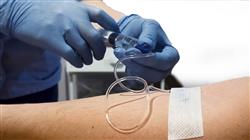
You will manage advanced strategies for vascular access and medication administration in emergency situations”
Module 1. Quality and Safety of the Critically Ill Patient for Nursing
1.1. Integrated Quality for Nursing
1.1.1. Transfer of Information at Shift Change
1.1.2. Use of Checklists
1.1.3. Nursing Reception Plans
1.2. Evidence-Based Practice for Nursing
1.2.1. Continuing Education
1.2.2. Critical Care Quality Indicators
1.2.3. Good Practices and Protocolization
1.3. Patient Safety for Nursing
1.3.1. Incident Recording
1.3.2. Common Adverse Effects in Nursing
1.3.3. Barriers and Facilitators
1.4. Management of Physical Restraints in Critically Ill Patients for Nursing
1.4.1. Types of Containments
1.4.2. Indications
1.4.3. Results
1.5. Quantitative Research in Critical Care for Nursing
1.5.1. Setup
1.5.2. Data Collection
1.5.3. Data Analysis
1.6. Critical Care Research Statistics for Nursing
1.6.1. Databases
1.6.2. Statistical Tests
1.6.3. Interpretation
1.7. Qualitative Research in Critical Care for Nursing
1.7.1. Setup
1.7.2. Data Collection
1.7.3. Data Analysis
1.8. Dissemination of Results for Nursing
1.8.1. Forms of Presentations
1.8.2. Places of Presentation of Results
1.8.3. Key Tools
1.9. Innovation in the Area of Critical Care for Nursing
1.9.1. Disease-Specific Alarm Systems
1.9.2. Systems that Activate Rapid Response Teams
1.9.3. Integrative Assessment before Admission (Emergency Department) and after Admission (Hospitalization)
1.10. Clinical Simulation in Critical Care for Nursing
1.10.1. Development Methods
1.10.2. Advantages and Disadvantages
1.10.3. Assessment Methods
Module 2. Update in Advanced Life Support for Nursing
2.1. Advanced Life Support Infrastructure for Nursing
2.1.1. Human Resources in Out-of-Hospital
2.1.2. Out-of-Hospital Material Resources
2.1.3. In-Hospital Human Resources
2.1.4. In-Hospital Material Resources
2.2. Initial Assessment of the Context for Nursing
2.2.1. Scene Assessment
2.2.2. Safety Assessment
2.2.3. Situation Assessment
2.3. Difficult Airway Management for Nursing
2.3.1. Initial Assessment and Indications
2.3.2. Equipment and Management
2.3.3. Monitoring and Follow-Up
2.4. Management of Difficult Venous Access for Nursing
2.4.1. Initial Assessment and Indications
2.4.2. Equipment and Management
2.4.3. Monitoring and Follow-Up
2.5. Administration of Drugs and Fluids in Advanced Life Support for Nursing
2.5.1. Pharmacodynamics
2.5.2. Pharmacokinetics
2.5.3. Administration Management and Patient Safety
2.6. Management of Advanced Life Support in the Adult Patient for Nursing
2.6.1. Indications and Epidemiology
2.6.2. Management of Tachycardias
2.6.3. Management of Bradycardias
2.7. Management of Advanced Life Support in the Pediatric Patient for Nursing
2.7.1. Indications and Epidemiology
2.7.2. Management of Advanced Life Support in Neonates
2.7.3. Management of Advanced Life Support in Pediatric Patients
2.8. Out-of-hospital specimen Analyzers for Nursing
2.8.1. Types of Out-of-Hospital Analyzers
2.8.2. Indications
2.8.3. Nursing Management
2.9. Advanced Life Support Nursing Training
2.9.1. American Heart Association (AHA)
2.9.2. European Resuscitation Council (ERC)
2.9.3. Differences and Similarities
2.10. Community Education in Advanced Life Support by Nursing
2.10.1. Applications and Smart Phones
2.10.2. Special Cardiac Arrest Days
2.10.3. First Aid in the Community
Module 3. Advanced Life Support in the Adult Patient and Pregnant Woman for Nursing
3.1. Hypoxemia Management for Nursing
3.1.1. Asthma and COPD
3.1.2. Foreign Body Airway Obstruction (FBAO)
3.1.3. Tension Pneumothorax
3.2. Hypovolemia Management for Nursing
3.2.1. Traumatic Cardiac Arrest
3.2.2. Cardiac Arrest due to Anaphylaxis
3.2.3. Cardiac Arrest due to Sepsis
3.3. Nursing Management of Ionic Disturbance
3.3.1. Cardiac Arrest due to Hyperkalemia
3.3.2. Cardiac Arrest due to Hypokalemia
3.3.3. Cardiac Arrest due to Hypoglycemia
3.4. Temperature Management for Nursing
3.4.1. Temperature Management
3.4.2. Cardiac Arrest due to Hypothermia
3.4.3. Cardiac Arrest due to Hyperthermia
3.5. Nursing Management of Thrombotic Episodes
3.5.1. Cardiac Arrest due to Pulmonary Thromboembolism
3.5.2. Cardiac Arrest due to Coronary Thrombosis
3.5.3. Cardiac Arrest due to Cardiac Tamponade
3.6. Management of Postoperative Cardiovascular Patients Cardiac Surgical Unit-Advanced Life Support (CALS) for Nursing
3.6.1. Indications
3.6.2. Recommendations and Differences
3.6.3. Emergency Resternotomy
3.7. Nursing Management of the Pregnant Woman
3.7.1. Epidemiological and Pathophysiological Analysis
3.7.2. Special Considerations in CPR
3.7.3. Ethical and Legal Aspects
3.8. Management of the Polytraumatized Patient for Nursing
3.8.1. Evolution
3.8.2. Initial Assessment: ABCDE and CPR
3.8.3. Secondary Assessment: Head, Thoracic, Abdominal, Pelvic, Vertebral Trauma, and Limb Fractures
3.9. Accident Management for Nursing
3.9.1. Dysbaric Accident
3.9.2. Drowning
3.9.3. Crush Syndrome
3.9.4. Impalement
3.10. Management in Different Locations for Nursing
3.10.1. Medical Transport
3.10.2. Exercise
3.10.3. Multiple Casualty Incidents
Module 4. Technological Advances in the Management of Advanced Life Support for Nursing
4.1. Use of Echocardiography for Vascular Access Cannulation for Nursing
4.1.1. Use of Ultrasound
4.1.2. Indications
4.1.3. Technique for Nursing
4.2. Use of the Echocardiogram in Advanced Life Support for Nursing
4.2.1. Indications
4.2.2. Diagnostic Phase for Nursing
4.2.3. Advanced Diagnostic Phase for Nursing
4.3. Technologies in Advanced Life Support for Nursing
4.3.1. Surgical Monitoring
4.3.2. Use of Endovascular Intra-Aortic Balloon Resuscitation (REBOA)
4.3.3. Use of Extracorporeal Circulation Devices (ECMO) in AVR
4.4. Prediction of Neurological Outcome after CRA for Nursing
4.4.1. Imaging Tests
4.4.2. Use of Biomarkers
4.4.3. Electroencephalogram: Evoked Potentials
4.5. FEER Protocol for Nursing
4.5.1. Diagnostic Phase
4.5.2. Resuscitation Phase
4.5.3. Resuscitation or Prognosis Phase
4.6. Use of Transesophageal Echocardiography for Nursing
4.6.1. Indications
4.6.2. Technique
4.6.3. Basic Interpretation for Nursing
4.7. Echocardiography Protocols in Advanced Life Support for Nursing
4.7.1. Rapid Ultrasound in Shock (RUSH)
4.7.2. Focused Echocardiographic Evaluation in Life Support (FEEL)
4.7.3. Cardiac Arrest Ultrasound Exam (CAUSE)
4.7.4. Extended Focused Assessment with Sonography in Trauma (E-FAST)
4.7.5. Basic Lung Ultrasound Examination (BLUE)
4.8. Mechanical Aids during Advanced Life Support for Nursing
4.8.1. Use and Evolution
4.8.2. Indications and Types
4.8.3. Results Obtained
4.9. Teleassistance for Advanced Life Support for Nursing
4.9.1. The Role of Nursing
4.9.2. Use and Indications
4.9.3. Results for Advanced Life Support
4.10. Other Technological Advances for Nursing
4.10.1. Real-Time Feedback Devices
4.10.2. Use of Unmanned Aerial Vehicles
4.10.3. Video Recordings
Module 5. Advanced Respiratory and Cardiovascular Monitoring of the Adult Critical Care Patient for Nursing
5.1. Monitoring in Adult Intensive Care for Nursing
5.1.1. Non-Invasive Monitoring
5.1.2. Invasive Monitoring (PIA, PVC)
5.1.3. Complementary Tests
5.2. Monitoring of the Critically Ill Adult Patient Connected to Mechanical Ventilation for Nursing
5.2.1. Non-Invasive Mechanical Ventilation (NIMV)
5.2.2. Care of the NIV Patient
5.2.3. Invasive Mechanical Ventilation (IMV)
5.3. Monitoring of the Critically Ill Adult Patient Connected to Mechanical Ventilation for Nursing
5.3.1. Management and Installation of a Respirator
5.3.2. Monitoring of Ventilator Pressures
5.3.3. Care During Intubation and Extubation
5.4. Monitoring of the Adult Critically Ill Patient Related to Respiratory Disturbances for Nursing
5.4.1. Monitoring of Anesthetic Gases
5.4.2. Mixed Venous Saturation SvO2
5.4.3. Central Venous Saturation
5.5. Monitoring of the Adult Patient with Venous and/or Arterial Access for Nursing
5.5.1. Types and Techniques of Administration Routes
5.5.2. Maintenance of Administration Routes
5.5.3. Recommendations to Avoid the Occurrence of Adverse Effects Related to Channeling and Handling
5.6. Monitoring of the Critically Ill Adult Patient During the Administration of Drugs and Fluids for Nursing
5.6.1. Other Routes of Administration: Enteral, Rectal, Intramuscular, Subcutaneous
5.6.2. Preparation and Administration of Drugs and Fluids
5.6.3. Patient Safety for Administration
5.7. Monitoring of the Critically Ill Adult Patient Related to Hemodynamic Alterations for Nursing: Monitoring with Swan-Ganz Catheter, PICCO ® System (Pulsion) and LiDCO Plus System
5.7.1. Monitoring of the Patient with Swan-Ganz Catheter
5.7.2. Monitoring with PICCO® System (Pulsion)
5.7.3. Monitoring with LiDCO Plus System
5.8. Monitoring of the Critically Ill Adult Patient Related to Hemodynamic Alterations for Nursing: Monitoring with FloTrac®/Vigileo® System, with ProAqt®(Pulsion) and with MostCare® System
5.8.1. Monitoring with FloTrac®/Vigileo® System
5.8.2. Monitoring with ProAqt®(Pulsion)
5.8.3. Monitoring with MostCare® System
5.9. Monitoring of the Critically Ill Adult Patient Related to Hemodynamic Alterations for Nursing: Monitoring with Modelflow-Nexfin System, NICO® and with Modelflow® System
5.9.1. Monitoring with the Modelflow-Nexfin® System
5.9.2. Monitoring with NICO® System
5.9.3. Monitoring with Modelflow® System
5.10. Monitoring of the Critically Ill Adult Patient Related to Hemodynamic alterations with Non-Invasive Techniques for Nursing
5.10.1. NICOM® Thoracic Electrical Bioresonance System
5.10.2. Doppler Ultrasonography (USCOM® system)
5.10.3. Esophageal Doppler
Module 6. Monitoring of the Adult Critical Patient with Circulatory, Nutritional, Analgesic and Relaxation, Mobilization and Elimination Alterations for Nursing
6.1. Monitoring the Adult Critically Ill Patient with Percutaneous Circulatory Assistance for Nursing
6.1.1. Intra-Aortic Balloon Counterpulsation Balloon (IABP) Carrier
6.1.2. Impella CP Carrier
6.1.3. VA ECMO Carrier
6.2. Monitoring of the Adult Critically Ill Patient with Non-Percutaneous Circulatory Support for Nursing
6.2.1. HeartMate Carrier
6.2.2. Impella 5.0 Carrier
6.2.3. Levitronix Carrier
6.2.4. Berlin-Heart Excor Carrier
6.3. Monitoring of the Critically Ill Adult Patient During Nursing Nutrition
6.3.1. Parenteral and Enteral Feeding
6.3.2. Nutrition Monitoring: Biochemical Tests, Skin Assessment
6.3.3. Care and Management of Parenteral, Enteral, Gastric Button Nutrition
6.4. Monitoring of the Adult Critically Ill Patient with Pain for Nursing
6.4.1. Pain Monitoring
6.4.2. Pharmacological Treatment
6.4.3. Non-Pharmacological Treatment
6.5. Monitoring of the Critically Ill Patient with Sedation and/or Muscle Relaxation for Nursing
6.5.1. Monitoring of Sedation and Muscle Relaxation
6.5.2. Sedation and Muscle Relaxation Treatment
6.5.3. Recommendations to Avoid Adverse Effects
6.6. Use of Inhaled Drugs for Nursing
6.6.1. Frequent Medication
6.6.2. Types of Devices and Indications
6.6.3. Advantages and Disadvantages
6.7. Monitoring of the Adult Critically Ill Patient Related to Mobility for Nursing
6.7.1. Early Mobilization
6.7.2. Isometric and Isotonic Exercises
6.7.3. Monitoring of the Evolution
6.8. Monitoring of the Critically Ill Adult Patient Related to Immobility for Nursing
6.8.1. Management of the Bedridden Patient
6.8.2. Prone Position Management
6.8.3. Management of the Patient’s Mobility with Lifts
6.9. Monitoring of the Critically Ill Adult Patient Related to Elimination Disturbances for Nursing: Water Balance, Renal Replacement Treatments and Therapies
6.9.1. Monitoring: Water Balance
6.9.2. Monitoring of Pharmacological Treatment
6.9.3. Monitoring with the Use of Renal Substitutive Therapies
6.10. Monitoring of the Critically Ill Adult Patient Related to Elimination Disturbances for Nursing: Fecal Catheterization
6.10.1. Indications for Fecal Catheterization
6.10.2. Flexi-Seal Management and Monitoring
6.10.3. Maintenance Care
Module 7. Monitoring of the Adult Critical Patient with Cutaneous, Thermal, Neurological, Traumatological, Abdominal, Donor or Transplanted Alterations for Nursing
7.1. Monitoring of the Adult Critically Ill Patient Related to Cutaneous Alterations for Nursing
7.1.1. Tissue Perfusion Monitoring
7.1.2. Management of Drugs Susceptible to Generate Adverse Effects
7.1.3. Recommendations to Improve Tissue Perfusion
7.2. Monitoring of the Critically Ill Adult Patient Related to Temperature Alterations for Nursing
7.2.1. Temperature Monitoring
7.2.2. Hyperthermia Control
7.2.3. Controlled Hpothermia: ArticSun and Coolgard IV
7.3. Monitoring of the Critically Ill Adult Patient Related to Neurological Alterations for Nursing
7.3.1. Pathophysiology
7.3.2. Monitoring of Intracranial Pressure (ICP)
7.3.3. Cerebral Oximetry
7.3.4. Monitoring of Mental Alterations
7.4. Monitoring of the Critically Ill Adult Patient Related to Traumatological Alterations for Nursing
7.4.1. Control and Monitoring of Spinal Cord Trauma
7.4.2. Control and Monitoring of Thoracic and / or Abdominal Trauma
7.4.3. Control and Monitoring of Pelvic Trauma
7.5. Intra-Abdominal Pressure Monitoring (IAP) for Nursing
7.5.1. Indications
7.5.2. Forms of Measurement
7.5.3. Interpretation
7.6. Monitoring of the Donor Patient for Nursing
7.6.1. Epidemiology of Donation
7.6.2. Maastricht Classification
7.6.3. Management and Treatments
7.7. Monitoring of the Adult Critically Ill Transplanted Patient for Nursing
7.7.1. Renal Transplant
7.7.2. Liver Transplant
7.7.3. Lung Transplant
7.7.4. Cardiac Transplantation
7.8. Ethics of Care to the Critically Ill Patient and His Family for Nursing
7.8.1. Informed Consent
7.8.2. Refusal of Treatment
7.8.3. Limitation of the Therapeutic Effort, Life Support, Interruption of CPR
7.9. Care of the Family of the Critical Adult for Nursing
7.9.1. Promotion of Collaboration and Participation
7.9.2. Bioethical and Legal Aspects
7.9.3. Practical Recommendations
7.10. Herb-Based Monitoring
7.10.1. Pathophysiological and Technological Bases
7.10.2. Applications of SOFCs
7.10.3. Advantages and Disadvantages
Module 8. Monitoring of the Pediatric and Neonatal Critically Ill Patient with Hemodynamic Alterations for Nursing
8.1. Infrastructure of Pediatric and Neonatal Intensive Care Units for Nursing
8.1.1. Pediatric Intensive Care Units (PICU)
8.1.2. Neonatal Intensive Care Units (NICU)
8.1.3. Pediatric Resuscitation Units
8.2. Monitoring in Pediatric and Neonatal Intensive Care for Nursing
8.2.1. Non-Invasive Monitoring
8.2.2. Invasive Monitoring
8.2.3. Complementary Tests
8.3. Monitoring of the Pediatric and Neonatal Critically Ill Patient Connected to Mechanical Ventilation for Nursing
8.3.1. Management and Monitoring of Non-Invasive Mechanical Ventilation (NIV)
8.3.2. Management and Monitoring of Invasive Mechanical Ventilation (IMV)
8.3.3. Care during Intubation and Extubation (Extubation Process Impossible)
8.4. Monitoring of the Pediatric and Neonatal Patient with Respiratory Disturbances for Nursing
8.4.1. Bronchopneumonia
8.4.2. Bronchiolitis
8.4.3. Asthma
8.4.4. High Respiratory Obstruction
8.5. Monitoring of the Pediatric and Neonatal Critically Ill Patient with Venous and/or Arterial Access for Nursing
8.5.1. Types and Techniques of Routes of Administration (e.g. Umbilical and Intraosseous)
8.5.2. Maintenance of Administration Routes
8.5.3. Recommendations to Avoid the Occurrence of Adverse Effects Related to Channeling and Handling
8.6. Monitoring of the Pediatric and Neonatal Critically Ill Patient During Drug and Fluid Administration for Nursing
8.6.1. Other Routes of Administration: Enteral, Rectal, Intramuscular, Subcutaneous Route
8.6.2. Preparation and Administration of Drugs and Fluids
8.6.3. Patient Safety for Administration
8.7. Monitoring of the Pediatric and Neonatal Critically Ill Patient During Nutrition for Nursing
8.7.1. Breastfeeding and Pediatric Nutrition
8.7.2. Parenteral and Enteral Feeding
8.7.3. Monitoring of Feeding: Biochemical Parameters and Growth Charts
8.8. Monitoring of the Pediatric and Neonatal Critically Ill Patient with Pain, Sedation and/or Muscle Relaxation for Nursing
8.8.1. Pain: Types, Treatment and Assessment
8.8.2. Sedation: Types, Induction, Maintenance and Assessment
8.8.3. Muscle Relaxation: Types, Induction, Maintenance and Assessment
8.9. Management of the Family of the Pediatric and Neonatal Critically Ill Patient for Nursing
8.9.1. Promotion of Collaboration and Participation
8.9.2. Bioethical and Legal Aspects
8.9.3. Practical Recommendations
8.10. Ethical Framework in Pediatrics and Neonates for Nursing
8.10.1. Ethical Framework
8.10.2. Informed Consent and Will
8.10.3. Abuse, Gender Violence and other Issues
Module 9. Monitoring of the Critical Pediatric and Neonatal Patient with Renal, , Cutaneous, Neurological, Digestive, Surgical, Polytraumatized and/or Premature Alterations for Nursing
9.1. Monitoring of the Pediatric and Neonatal Patient with Cardiac Disturbances for Nursing
9.1.1. Arrhythmias and Syncope
9.1.2. Congenital Heart Disease: Cyanotic, without Cyanosis, Debuting with Cardiogenic Shock or Others
9.1.3. Heart Failure
9.1.4. Hypertensive Crisis
9.2. Monitoring of the Pediatric and Neonatal Patient with Renal Impairment for Nursing
9.2.1. Care of Urinary Tract Infections
9.2.2. Care in Case of Hydroelectrolytic Alterations
9.2.3. Care Related to Peritoneal Dialysis and Hemofiltration
9.3. Monitoring of the Pediatric and Neonatal Patient with Skin Alterations for Nursing
9.3.1. Transitory Skin Injuries
9.3.2. Non-Transitory Skin Injuries
9.3.3. Prevention and Improvement of Skin Alterations
9.4. Monitoring of the Pediatric and Neonatal Patient with Neurological Alterations for Nursing
9.4.1. Intracranial Hemorrhages
9.4.2. Malformations, Skull Alterations
9.4.3. Meningitis
9.4.4. Encephalopathies
9.4.5. Seizures
9.5. Monitoring of the Pediatric or Neonatal Patient with Digestive Disorders for Nursing
9.5.1. Gastroesophageal Reflux, Esophageal Atresia and Necrotizing Enterocolitis
9.5.2. Intoxications
9.5.3. Management of Probiotics
9.6. Monitoring of the Pediatric and Neonatal Surgical Patient for Nursing
9.6.1. General Preoperative Care
9.6.1. General Postoperative Care
9.6.2. Interventions Requiring Admission to PICU and NICU
9.7. Monitoring of the Polytraumatized Pediatric and Neonatal Patient for Nursing Care
9.7.1. Initial Assessment: ABCDE and CPR
9.7.2. Second Assessment: Adapted Scales
9.7.3. Transport: Special Characteristics
9.8. Monitoring of the Pediatric and Neonatal Burn Patient for Nursing
9.8.1. Initial Management: Evaluation of Severity
9.8.2. Transfer Management
9.8.3. Management of Burns
9.9. Monitoring of the Premature Patient for Nursing
9.9.1. Epidemiology
9.9.2. Possible Pathologies
9.9.3. Complications and Management
9.10. Monitoring of the Pediatric and Neonatal patient with other Pathologies for Nursing
9.10.1. Metabolic Disorders
9.10.2. Chromosomopathies
9.10.3. Oncology
Module 10. Biopsychosocial and Cultural Management of Critical Care for Nursing
10.1. Implementation of Family Involvement for Nursing
10.1.1. Open Doors
10.1.2. Involvement in Care
10.1.3. Support for Family Members’ Needs
10.2. Management of Communication between the Health Professional, Family and Patient
10.2.1. Team of Professionals
10.2.2. The Family
10.2.3. The Patient
10.3. Management of the Patient’s Well-Being
10.3.1. Biological
10.3.2. Psychological
10.3.3. Social and Emotional
10.4. Care Management of the Nursing Professionals Themselves
10.4.1. Burnout Syndrome in Nursing
10.4.2. Prevention
10.4.3. Health Promotion
10.5. Post-critical Care Syndrome Monitoring: The Role of Nursing
10.5.1. Prevention
10.5.2. Follow-up
10.5.3. Evaluation
10.6. Palliative Care for Nursing
10.6.1. Accompaniment
10.6.2. Recommendations for the Control of Physical Symptoms
10.6.3. Treatment and Care Limitation Protocol
10.7. Humanized Infrastructure: the Role of Nursing
10.7.1. Ensuring Patient Privacy and Comfort
10.7.2. Ensuring the Privacy and Comfort of the Family
10.7.3. Guarantee of the Privacy and Comfort of the Professionals
10.8. Nursing Leadership in Critical Care Units
10.8.1. Middle Management
10.8.2. Multidisciplinary Team
10.8.3. Types of Leadership and Conflict Management
10.9. Work Environment in Critical Care for Nursing
10.9.1. Relevance of Workplace Climate in Critical Care Nursing
10.9.2. Tools for its Adequate Development
10.9.3. Assessment of the Work Climate in Critical Care Nursing
10.10. Ethics for Nursing
10.10.1. Critical Care Bioethics: Research and Practice for Nursing
10.10.2. Ethics Committees and Nurse Involvement
10.10.3. Health Sciences Research Protocols for Nursing
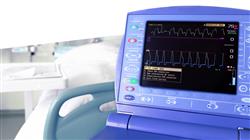
You will master the most innovative techniques in advanced life support, perfecting your intervention in critically ill patients, including adults and pregnant women”
Master's Degree in Advanced Life Support and Monitoring in the Critically Ill Patient for Nursing
At TECH Global University, we invite you to explore new frontiers in critical patient care with our Master's Degree in Advanced Life Support and Monitoring. This innovative postgraduate program is designed for nursing professionals seeking to acquire the skills and knowledge necessary to provide comprehensive and specialized care to critically ill patients. Immerse yourself in a comprehensive academic program that will allow you to deepen your understanding of the pathophysiological, diagnostic, and therapeutic principles of managing critically ill patients, develop skills in hemodynamic, respiratory, and neurological monitoring of critically ill patients, gain hands-on experience through practical cases, clinical simulations, and skills workshops, and expand your knowledge of the latest research and advancements in Advanced Life Support and monitoring of critically ill patients, among other skills that will enhance your career in nursing.
Learn 100% online on critical patient management
This flexible and adaptable program offers multiple benefits: live online classes that allow you to study from the comfort of your home or workplace, the Relearning methodology to optimize your learning, personalized tutoring to help you overcome any difficulties and achieve your learning objectives, updated and easily accessible study materials to allow you to delve into the topics of greatest interest, and more. Upon completing this training program, you will be equipped to carry out various tasks, from implementing an individualized care plan based on the latest guidelines and protocols to working as part of a multidisciplinary team to provide comprehensive care for critically ill patients. Take the next step in your professional career and join TECH Global University to become an expert in critical patient care. Enroll now and get ready to make a difference in the lives of your patients!