
University certificate







The world's largest faculty of education”
Introduction to the Program
Conoce los últimos avances en Management of Bilingual Education in Pre-School and Primary Education”

Esta Postgraduate diploma en Management of Bilingual Education in Pre-School and Primary Education generará una sensación de seguridad en el desempeño de tu profesión, que te ayudará a crecer personal y profesionalmente”
Los gobiernos de toda Europa se han propuesto fomentar el aprendizaje de lenguas extranjeras desde el inicio de la escolarización por lo que en los últimos años han surgido numerosos proyectos de educación bilingüe.
Para llevar a cabo estos proyectos resulta de vital importancia diseñar una metodología apropiada para la enseñanza de lenguas extranjeras en niveles educativos iniciales. Una de las principales características de la enseñanza bilingüe debe ser la coordinación entre la enseñanza de la lengua y la de los contenidos, puesto que los niños pequeños tienden a aprender de un modo holístico.
Esta nueva realidad implica un enorme reto para los docentes que ven complicada su labor docente.
Actualiza tus conocimientos a través del programa de Postgraduate diploma en Management of Bilingual Education in Pre-School and Primary Education”
Esta Postgraduate diploma en Management of Bilingual Education in Pre-School and Primary Education contiene el programa científico más completo y actualizado del mercado. Las características más destacadas del curso son:
- Desarrollo de más de 75 casos presentados por expertos en enseñanza infantil bilingüe. Sus contenidos gráficos, esquemáticos y eminentemente prácticos con los que están concebidos, recogen una información científica y asistencial sobre aquellas disciplinas indispensables para el ejercicio profesional.
- Novedades metodológicas y de aplicación en la enseñanza infantil bilingüe.
- Contiene ejercicios prácticos donde realizar el proceso de autoevaluación para mejorar el aprendizaje.
- Sistema interactivo de aprendizaje basado en la toma de decisiones sobre las situaciones planteadas.
- Todo esto se complementará con lecciones teóricas, preguntas al experto, foros de discusión de temas controvertidos y trabajos de reflexión individual.
- Disponibilidad de los contenidos desde cualquier dispositivo fijo o portátil con conexión a internet.
Esta Postgraduate diploma puede ser la mejor inversión que puedes hacer en la selección de un programa de actualización por dos motivos: además de poner al día tus conocimientos en Management of Bilingual Education in Pre-School and Primary Education, obtendrás un título de Postgraduate diploma por la mayor Universidad Digital del mundo, TECH”
Incluye en su cuadro docente profesionales pertenecientes al ámbito de la Management of Bilingual Education in Pre-School and Primary Education, que vierten en esta formación la experiencia de su trabajo, además de reconocidos especialistas pertenecientes a sociedades de referencia y universidades de prestigio.
Gracias a su contenido multimedia elaborado con la última tecnología educativa, permitirán al profesional un aprendizaje situado y contextual, es decir, un entorno simulado que proporcionará un aprendizaje inmersivo programado para entrenarse ante situaciones reales.
El diseño de este programa está basado en el aprendizaje basado en problemas, mediante el cual el docente deberá tratar de resolver las distintas situaciones de práctica profesional que se le planteen a lo largo del curso. Para ello, el docente contará con la ayuda de un novedoso sistema de vídeo interactivo realizado por reconocidos expertos en el campo de la Management of Bilingual Education in Pre-School and Primary Education y con gran experiencia docente.
Aumenta tu seguridad en la toma de decisiones actualizando tus conocimientos a través de esta Postgraduate diploma”
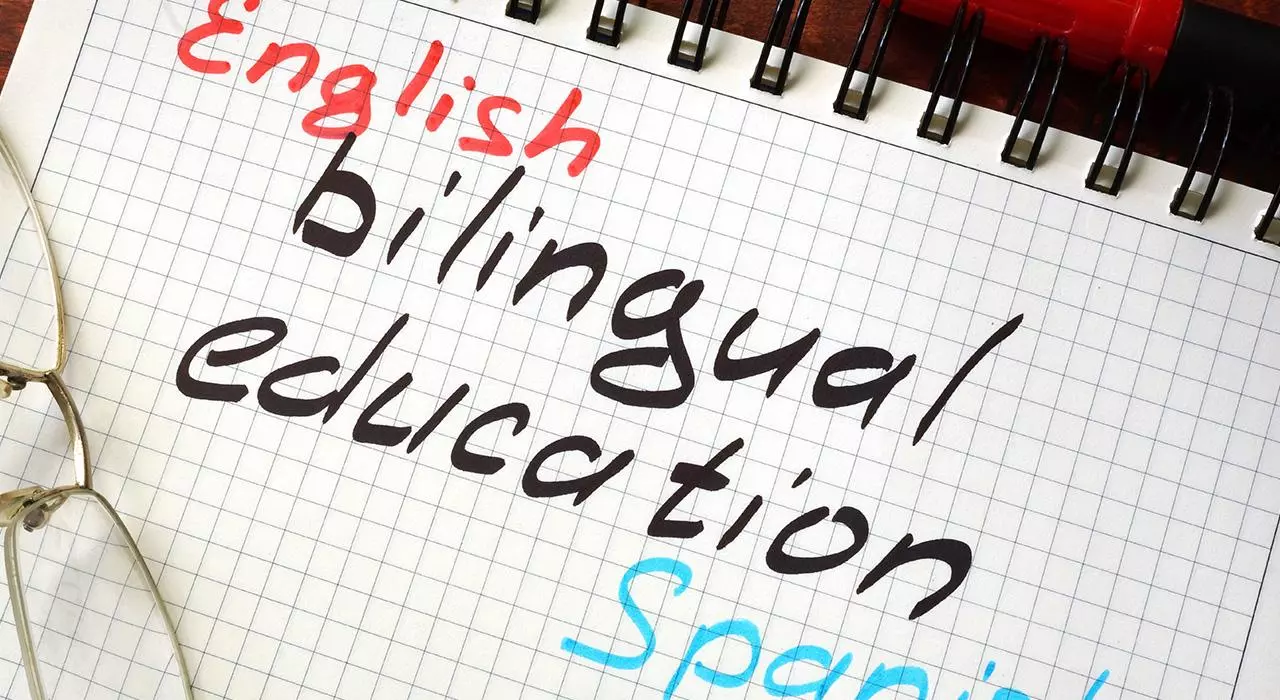
Aprovecha la oportunidad para conocer los últimos avances en Management of Bilingual Education in Pre-School and Primary Education y mejorar la formación de tus alumnos”
Syllabus
The quality and prestige that define TECH and place it as one of the best digital universities worldwide has been the result of years of effort and struggle to shape the best 100% online educational programs. In each of them, a team versed in the fields works, which is responsible for selecting not only the theoretical information that makes up the syllabus, but also use cases based on real situations and hours of additional high quality material. Thanks to this, it is possible to offer highly educational experiences in a comfortable and flexible format that facilitates the specialization of the graduate from any place, without schedules and through any device with internet connection.

A curriculum at the forefront of Pre-School and Primary Education with which you will also be able to manage the active participation of families in bilingual learning”
Module 1. Principles of Bilingualism
1.1. Definition and History of Bilingualism
1.1.1. Definition of Bilingualism
1.1.2. Languages in Contact
1.1.3. Definition of Multilingualism
1.1.4. Multilingualism in The World
1.1.5. Types of Multilingualism
1.2. Models of Bilingualism in Education
1.2.1. Bilingualism in Education
1.2.2. Models of Bilingual Education
1.2.3. Models of Bilingualism in the world
1.2.4. Bilingualism in Canada
1.2.5. Bilingualism in USA
1.2.6. Bilingualism in Spain
1.2.7. Bilingualism in Latin America
1.3. The Cultural Dimension of Bilingualism
1.3.1. Intercultural Bilingual Education (IBE)
1.3.2. The history of the EIB
1.3.3. Bilingualism and Cultural Diversity in the Classroom
1.3.4. Bilingualism and Cultural Identity
1.4. The Role of Native Language in Bilingual Education
1.4.1. Language Acquisition in a Bilingual Context
1.4.2. Late Bilingualism and The Mother Tongue
1.4.3. The Mother Tongue and Emotions
1.4.4. The Mother Tongue in the Classroom
1.4.5. Use of Mother Tongue in the Foreign Language Classroom
1.5. Neuroeducation and Bilingualism
1.5.1. Bilingual Brain
1.5.2. The Age Factor
1.5.3. The Quality Factor
1.5.4. The Method Factor
1.5.5. The Language Factor
1.5.6. The Number Factor
1.6. Cummins' Theories on Bilingualism
1.6.1. Introduction
1.6.2. Linguistic Interdependence Theory
1.6.3. The Threshold Hypothesis
1.6.4. Additive and Subtractive Bilingualism
1.6.5. The importance of the Mother Tongue
1.6.6. Language Immersion Programs
1.7. BICS and CALP
1.7.1. General Framework
1.7.2. Initial Theory
1.7.3. Definition of BICS
1.7.4. Definition of CALP
1.7.5. The Relationship between BICS and CALP
1.7.6. Contributions of the Theory
1.7.7. Criticisms of the Theory
1.8. Bilingualism in Nursery School
1.8.1. Languages in the Pre-School Syllabus
1.8.2. Myths about Bilingualism in Early Ages
1.8.3. The Place of the Second Language in the Pre-School Classroom
1.8.4. Routines
1.8.5. Working in Corners
1.8.6. Materials and Resources for Teaching English in Pre-School
1.9. Bilingualism in Primary School
1.9.1. Languages in the Primary SchoolSyllabus
1.9.2. Objectives of Bilingualism in Primary School
1.9.3. Bilingual Models in Primary School
1.9.4. Pros and Cons of Bilingualism in Primary School
1.9.5. The Role of the Environment in Success
1.10. The Role of the Bilingual Teacher
1.10.1. The Role of the Bilingual Teacher
1.10.2. The Bilingual Teacher as Intercultural Educator
1.10.3. Languages and the Bilingual Teacher
1.10.4. Training Needs
Module 2. The Organization of a Bilingual Center
2.1. Regulatory Frameworks and External Assessments
2.1.1. Bilingual Centers in Spain
2.1.2. Bilingual Centers in Madrid
2.1.3. Linguistic Qualification
2.1.4. External Assessments
2.2. Organization and Structure of Bilingual Centers
2.2.1. The English Language Department
2.2.2. Organizing Subjects
2.2.3. The Characteristics of Bilingual Centers
2.3. The Integrated Curriculum
2.3.1. Integrated Language Curriculum
2.3.2. Linguistic Project of the Center
2.3.3. Guidelines for the Development of the Integrated Curriculum
2.4. Attention to Diversity Special Educational Needs
2.4.1. Challenges of Bilingualism in Relation to SEN
2.4.2. Bilingualism and Intellectual Disability
2.4.3. Bilingualism and Language Disorders
2.4.4. Bilingualism and Emotional and Adaptive Difficulties
2.4.5. Late Incorporation Into the Bilingual Project
2.4.6. Students With Different Mother Tongues
2.5. Native Speaking Assistants/Assistants
2.5.1. The Profile of the Conversation Assistant
2.5.2. Duties of the Assistant
2.5.3. The Role of the Conversation Assistant
2.5.4. First Contact and Incorporation
2.5.5. Activities That Can Be Performed by the Conversation Assistant
2.6. Coordination of Teaching Teams
2.6.1. Formal Educational Coordination Bodies
2.6.2. Horizontal and Vertical Coordination
2.6.3. Bilingual Project Coordination Scopes and Needs
2.6.4. Keys for an Effective Coordination
2.7. Bilingual Project Coordination Duties and Roles
2.7.1. Duties of the Coordinator
2.7.2. Meetings and Coordination Issues
2.7.3. Keys to Coordinate a Work Team
2.7.4. Profile of the Coordinator
2.8. Creating a Bilingual Environment for Learning and Communication
2.8.1. Everyday Language at the Center
2.8.2. Corridors and Common Areas
2.8.3. The Classroom Space
2.8.4. Faculty and Community Involvement
2.9. Relationship With Families and the Environment
2.9.1. Families’ Perception of Bilingualism
2.9.2. Communication Tools and Their Connection
2.9.3. Participation in the Center
2.9.4. Home Monitoring and Homework
2.10. Assessment of the Bilingual Project
2.10.1. Indicators of Assessment
2.10.2. Assessing the Involved Agents
2.10.3. Family Assessment
2.10.4. External Assessments
Module 3. Successful Educational Practices in Bilingual Education
3.1. Theoretical Framework. Included Project
3.1.1. The Included Project
3.1.2. Theoretical References
3.1.3. Student Grouping and Community Involvement
3.1.4. Extended Learning Time
3.2. Background: Learning Communities
3.2.1. The Information Society
3.2.2. Transformation Phases
3.2.3. Sleep
3.2.4. Mixed Committees
3.2.5. The Project at Present
3.3. Success Factors: the Grouping of Students
3.3.1. Heterogeneous Clustering Models
3.3.2. Mixed Clustering Models
3.3.3. inclusive Clustering Models
3.4. Success Factors: Participation and Training of Family Members
3.4.1. Training Family Members
3.4.2. Types of Participation and Their Impact on Success
3.4.3. Educational Participation
3.5. Dialogic Learning
3.5.1. Equal Dialogue
3.5.2. Cultural Intelligence
3.5.3. Instrumental Dimension
3.5.4. The Creation of Meaning
3.5.5. Solidarity
3.5.6. Transformation
3.5.7. Equality of Differences
3.6. Interactive Groups
3.6.1. Description of The Interactive Groups
3.6.2. Non-Expert Volunteers
3.6.3. The Results of the Interactive Groups
3.6.4. The Interactive Groups in the Bilingual Classroom
3.7. Dialogic Interaction and Inquiry
3.7.1. The Sociocultural Perspective: Vigotsky
3.7.2. Types of interactions
3.7.3. Interactions and Identity Building
3.7.4. Communicative Acts
3.7.5. Dialogic Inquiry
3.8. The Role of Non-Expert Volunteers in the Bilingual Classroom
3.8.1. The Role of Volunteers
3.8.2. What to do From School?
3.8.3. Its Participation in the Assessment
3.8.4. Expert or Non-Expert Volunteers
3.9. Dialogic Reading
3.9.1. Definition of Dialogic Reading
3.9.2. Foundations of Dialogic Reading
3.9.3. English Reading Godmothers and Godfathers
3.9.4. Accompanied Reading
3.10. Dialogic Literary Gatherings in the Bilingual Classroom
3.10.1. The Origin of Dialogic Literary Gatherings
3.10.2. Interactions That Speed Up Reading
3.10.3. The Classics in Pre-School and Primary School
3.10.4. The Functioning of the Discussion Group

Don't think twice and opt for a program thanks to which you will achieve excellence in bilingual teaching through effective and innovative management of your center, becoming a reference in the sector”
Postgraduate Diploma in Management of Bilingual Education in Pre-School and Primary Education
If you are passionate about bilingual education and are looking to improve your skills in educational program management, TECH Global University's Postgraduate Diploma in Management of Bilingual Education in Kindergarten and Primary School is the perfect choice for you. Our online classes allow you to access quality education from the comfort of your home or anywhere else. Take advantage of the benefits of the online modality, where you can participate in interactive activities, access digital resources and have the support of our experts in bilingual education.
Stand out in the field of bilingual education
In the Postgraduate Diploma in Management of Bilingual Education in Kindergarten and Primary School, you will acquire the knowledge and skills necessary to successfully lead bilingual education programs in early stages of development. You will learn about effective pedagogical strategies, resource management and program evaluation, all focused on the field of early childhood and primary education. TECH Global University provides you with excellent training supported by our highly qualified faculty. Through a practical and classroom-oriented approach, you will develop key competencies in the management and coordination of bilingual education programs. In addition, online classes give you the flexibility to study at any time. Through our interactive platforms, you will be able to access cutting-edge resources and participate in practical activities that will allow you to develop concrete skills in the field of bilingual education. Excel in the field of bilingual education and expand your career opportunities. The Postgraduate Diploma in Management of Bilingual Education in Kindergarten and Primary School will provide you with the necessary tools to successfully manage educational programs that promote bilingualism and academic excellence. Don't miss this opportunity to boost your career in bilingual education. Enroll in the Postgraduate Diploma in Management of Bilingual Education in Kindergarten and Primary School at TECH Global University and become a reference in the educational field!