
University certificate







The world's largest faculty of education”
Introduction to the Program
Este Postgraduate certificate en Orofacial Therapy and Early Care, generará una sensación de seguridad en el desempeño de tu profesión, que te ayudará a crecer personal y profesionalmente”
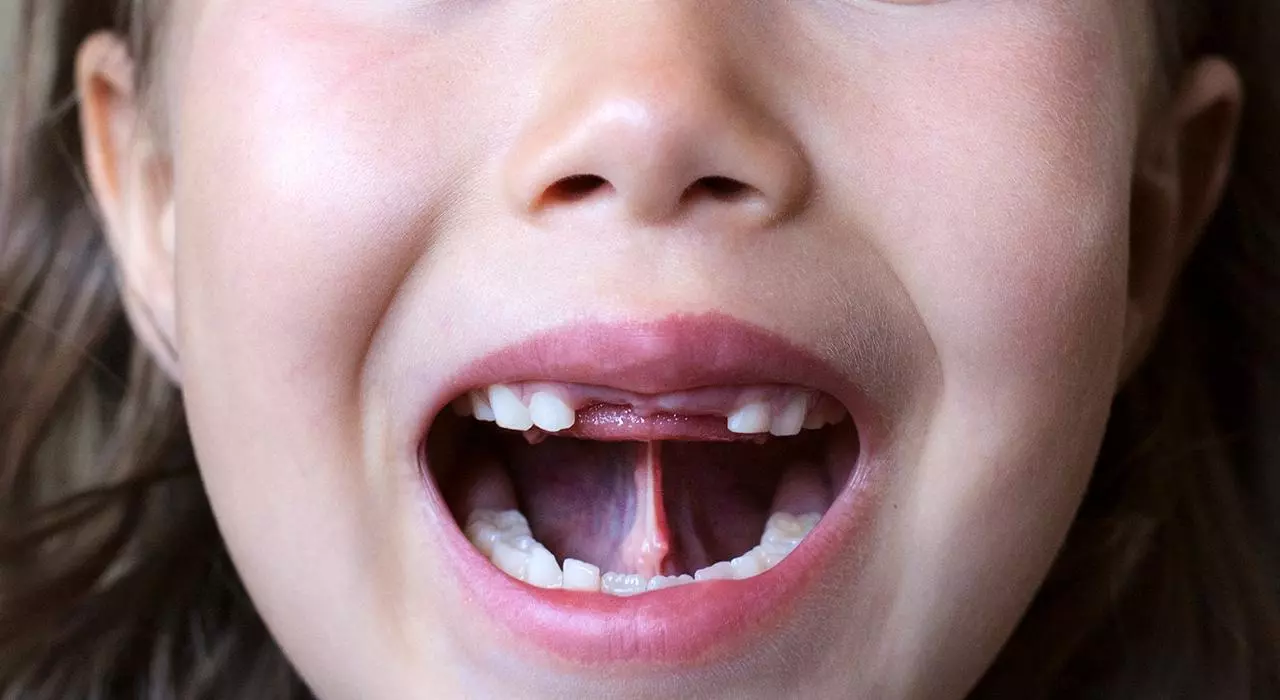
La atención temprana reúne pues el conjunto de acciones orientadas a la prevención e intervención integral en niños con necesidades educativas derivadas de sus dificultades en el neurodesarrollo o con trastornos de tipo sindrómico. La etapa de intervención en esta franja de cero a seis años ha de plantearse de forma precoz, siendo el papel del logopeda especialista en neurorrehabilitación muy importante para garantizar la eficacia de los tratamientos.
La etapa en la que este tipo de intervención se lleva a cabo oscila entre 0-6 años; cuyo objetivo principal, no es otro que el de ayudar a encontrar una salida lo más pronto posible, ante la necesidad que se presente.
Apostamos por la intervención multidisciplinar para que el alumno de este Experto aprenda a coordinarse, a trabajar en equipo y a abordar tratamientos logopédicos en procesos complejos y multifactoriales. La funcionalidad pasa por recuperar aspectos primarios como la respiración, la postura, la alimentación y sin descuidar los aspectos conductuales y emocionales que acompañan a estos niños y a su entorno. La terapia miofuncional en atención temprana adquiere un peso específico y básico para la salud del niño.
Este Postgraduate certificate es desarrollado por un equipo de trabajo especializado, formado por diversos profesionales de la salud, creando un Equipo Multidisciplinar e integrando la información de manera lineal y continua. A su vez, ofrece una visión muy amplia de la terapia orofacial y miofuncional, incluyendo ejemplos de casos de éxito.
Nuestros alumnos aprenderán a cómo prevenir, evaluar, diagnosticar, reeducar, educar y rehabilitar el desequilibrio que pueda estar presente en el sistema orofacial desde el nacimiento hasta los seis años. Aprendiendo a reconocer los factores de riesgo dentro de los diferentes campos de aplicación.
Se desarrollan competencias de detección de las diferentes disfunciones neuromusculares de la deglución, respiración, masticación y succión, así como la funcionalidad de la musculatura facial, oral y laríngea, para así optimizar de forma sinérgica la actividad del aparato estomatognático.
Actualiza tus conocimientos a través del programa en Orofacial Therapy and Early Care"
Este Postgraduate certificate en Orofacial Therapy and Early Care contiene el programa educativo más completo y actualizado del mercado. Las características más destacadas del Postgraduate certificate son:
- Desarrollo de más de 75 casos prácticos presentados por expertos en Orofacial Therapy and Early Care.
- Sus contenidos gráficos, esquemáticos y eminentemente prácticos con los que están concebidos, recogen una información científica y práctica sobre aquellas disciplinas indispensables para el ejercicio profesional.
- Novedades sobre la Orofacial Therapy and Early Care. Contiene ejercicios prácticos donde realizar el proceso de autoevaluación para mejorar el aprendizaje.
- Con especial hincapié en metodologías innovadoras en Orofacial Therapy and Early Care.
- Disponibilidad de los contenidos desde cualquier dispositivo fijo o portátil con conexión a internet.
Este Postgraduate certificate puede ser la mejor inversión que puedes hacer en la selección de un programa de actualización por dos motivos: además de poner al día tus conocimientos en Orofacial Therapy and Early Care, obtendrás un título de Postgraduate certificate por la mayor Universidad Digital del mundo, TECH”
Incluye en su cuadro docente profesionales pertenecientes al ámbito de Orofacial Therapy and Early Care, que vierten en esta formación la experiencia de su trabajo, además de reconocidos especialistas pertenecientes a sociedades de referencia y universidades de prestigio.
Gracias a su contenido multimedia elaborado con la última tecnología educativa, permitirán al profesional un aprendizaje situado y contextual, es decir, un entorno simulado que proporcionará un aprendizaje inmersivo programado para entrenarse ante situaciones reales.
El diseño de este programa está basado en el Aprendizaje Basado en Problemas, mediante el cual el educador deberá tratar de resolver las distintas situaciones de práctica profesional que se le planteen a lo largo del Postgraduate certificate. Para ello, el educador contará con la ayuda de un novedoso sistema de vídeo interactivo realizado por reconocidos expertos en el campo de Orofacial Therapy and Early Carey con gran experiencia docente.
Aumenta tu seguridad en la toma de decisiones actualizando tus conocimientos a través de este Postgraduate certificate”
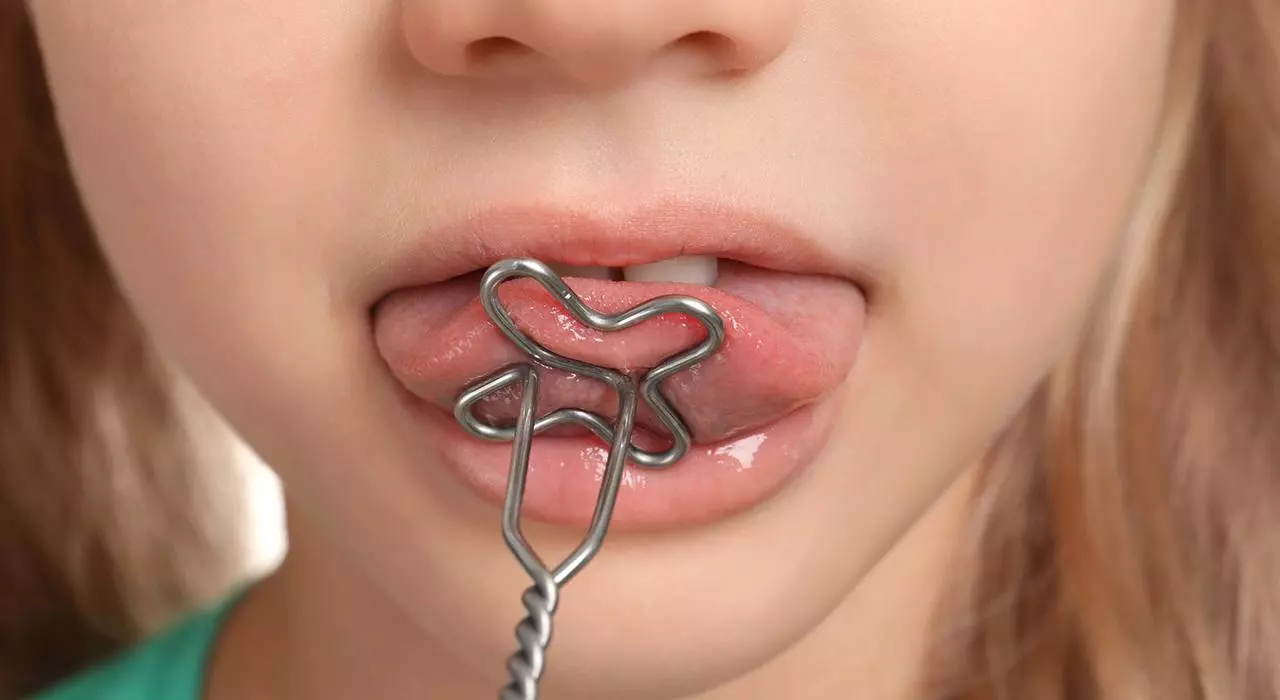
Aprovecha la oportunidad para conocer los últimos avances en Orofacial Therapy and Early Carey mejorar la efectividad de tus tratamientos”
Syllabus
After 6 weeks of study, the graduate will have acquired all the knowledge about the most advanced and specific methods regarding Orofacial Therapy and Early Care. A teaching process guaranteed by the intervention of experts in the field and the most avant-garde methodology of the current educational market, which will allow the rapid assimilation and understanding of the concepts. From a 100% online modality, you will complete the course at your own pace, and you will be able to combine your day-to-day activities without any inconvenience.

A complete syllabus that focuses on the latest scientific evidence regarding Orofacial Therapy and Early Care within the school environment"
Module 1. Orofacial/Myofunctional Therapy (OMT) and Early Care
1.1. Neonatal Development
1.1.1. Neonatal Development
1.1.2. NBAS: Neonatal Behavioral Assessment
1.1.3. Early Diagnosis
1.1.4. Neurologic Diagnosis
1.1.5. Habituation
1.1.6. Oral Motor Reflexes
1.1.7. Body Reflexes
1.1.8. Vestibular System
1.1.9. Social and Interactive Media
1.1.10. Use of NBAS in High-Risk Newborns
1.2. Eating Disorders in Children
1.2.1. Feeding Processes
1.2.2. Pediatric Swallowing Physiology
1.2.3. Phases in Skill Acquisition
1.2.4. Deficits
1.2.5. Multidisciplinary Work
1.2.6. Warning Symptomatology
1.2.7. Premature Orofacial Development
1.2.8. Feeding Methods: Parenteral, Enteral, Tube, Gastrectomy, Oral (Modified or Unmodified Diet)
1.2.9. Gastroesophageal Reflux
1.3. Neurodevelopment and Infant diets
1.3.1. Embryonic Development
1.3.2. Appearance of Main Primary Functions
1.3.3. Risk Factors
1.3.4. Evolutionary Milestones
1.3.5. Synaptic Function
1.3.6. Immaturity
1.3.7. Neurological Maturity
1.4. Brain - Motor Skills
1.4.1. Innate Orofacial Motor Skills
1.4.2. Evolution of Orofacial Motor Patterns
1.4.3. Reflex Swallowing
1.4.4. Reflex Breathing
1.4.5. Reflex Suction
1.4.6. Assessing Infant Oral Reflexes
1.5. Nursing
1.5.1. Early Start
1.5.2. Impact at the Orofacial Level
1.5.3. Exclusivity
1.5.4. Optimal Nutrition
1.5.5. Spontaneous Maturation of Oral Musculature
1.5.6. Muscle Mobility and Synergy
1.5.7. Position
1.5.8. Therapeutic Recommendations
1.5.9. Intellectual Development
1.5.10. Intervention Program
1.6. Early Feeding Techniques
1.6.1. Newborn Feeding
1.6.2. Positioning Techniques
1.6.3. Signs of Good Positioning
1.6.4. Key Therapeutic Recommendations
1.6.5. Milk and Non-Milk Formulas
1.6.6. Classification of Formulas
1.6.7. Bottle Feeding Techniques
1.6.8. Spoon Techniques
1.6.9. Techniques for Low-Cut Cup Use
1.6.10. Techniques Tube Use or Alternative Feeding Systems
1.7. Speech Therapy Intervention in Neonates
1.7.1. Primary Functions Assessment
1.7.2. Re-Education of Primary Neuromotor Dysfunctions
1.7.3. Primary Intervention
1.7.4. Individual Treatment Planning and Coordination
1.7.5. Oral Motor Exercise Program I
1.7.6. Oral Motor Exercise Program II
1.7.7. Intervention with Families
1.7.8. Early Motor Activation
1.8. Child Swallowing Disorders I
1.8.1. Intake Analysis
1.8.2. Undernourishment
1.8.3. Respiratory Infections: Airway Unit
1.8.4. Complementary Explorations
1.8.5. Quantitative Explorations
1.8.6. Nutritional Treatment
1.8.7. Adaptive Treatment: Posture, Texture, Materials
1.8.8. Performance Program
1.9. Rehabilitative Treatment of Infant Oropharyngeal and Esophageal Dysphagia
1.9.1. Symptoms
1.9.2. Etiology
1.9.3. Neurological Damage in Children: High Probability of Presenting a Disorder
1.9.4. Infant Dysphagia
1.9.5. Phases of Normalized Swallowing in Pediatrics vs. Pathological Swallowing
1.9.6. Neurological Maturity: Cognitive, Emotional and Motor Coordination Status
1.9.7. Impossibility of Oral Feeding
1.9.8. Early care. High Probability of Recovering
1.10. Child Swallowing Disorders II
1.10.1. Types. Neuroanatomical and Behavior-Based Classification
1.10.2. Functional Maturational Dysphagia
1.10.3. Degenerative Diseases
1.10.4. Cardiorespiratory Pathologies
1.10.5. Congenital Brain Damage
1.10.6. Childhood Acquired Brain Injury (CABI)
1.10.7. Craniofacial Syndromes
1.10.8. Autism Spectrum Disorders

A completely online program that you will have at your own pace and with the quality that only TECH can offer"
Postgraduate Certificate in Orofacial Therapy and Early Care
Orofacial complications are a problem of utmost attention for educational centers, because under a policy of social inclusion, it is essential to provide a competent environment to ensure the welfare of students with this type of pathologies. The Postgraduate Certificate in Orofacial Therapy and Early Care from TECH Global University is presented as an excellent qualification opportunity for all professionals interested in improving care services in the educational environment. Our program consists of 175 instructional hours, throughout which students will have access to high quality content, along with a document bank with the most recent advances in the field. In addition, with the new skills acquired, applicants will have the necessary capabilities to perform a competent accompaniment, developing an efficient action plan in which the progress of the students' skills and knowledge is guaranteed.
Postgraduate Certificate in Orofacial Therapy and Early Care 100% online
At TECH we have sophisticated thematic axes, which will be fundamental for students to acquire the best knowledge in relation to neonatal evolutionary development, neuromotor skills, breastfeeding, speech therapy intervention, as well as other topics of utmost importance to consolidate in a multidisciplinary individual. Likewise, throughout the course we will confront students with simulated practical situations, which will serve as preparation for the different challenges they will face during their professional practice. On the other hand, the student will gain wide knowledge about the anatomical and functional bases of the central and peripheral nervous system, which will empower him/her to structure action plans in a better way.