
University certificate







The world's largest faculty of veterinary medicine”
Introduction to the Program
Conviértete en uno de los profesionales más demandados del momento: especialízate en Canine and Feline Dentistry con este completísimo Postgraduate diploma”
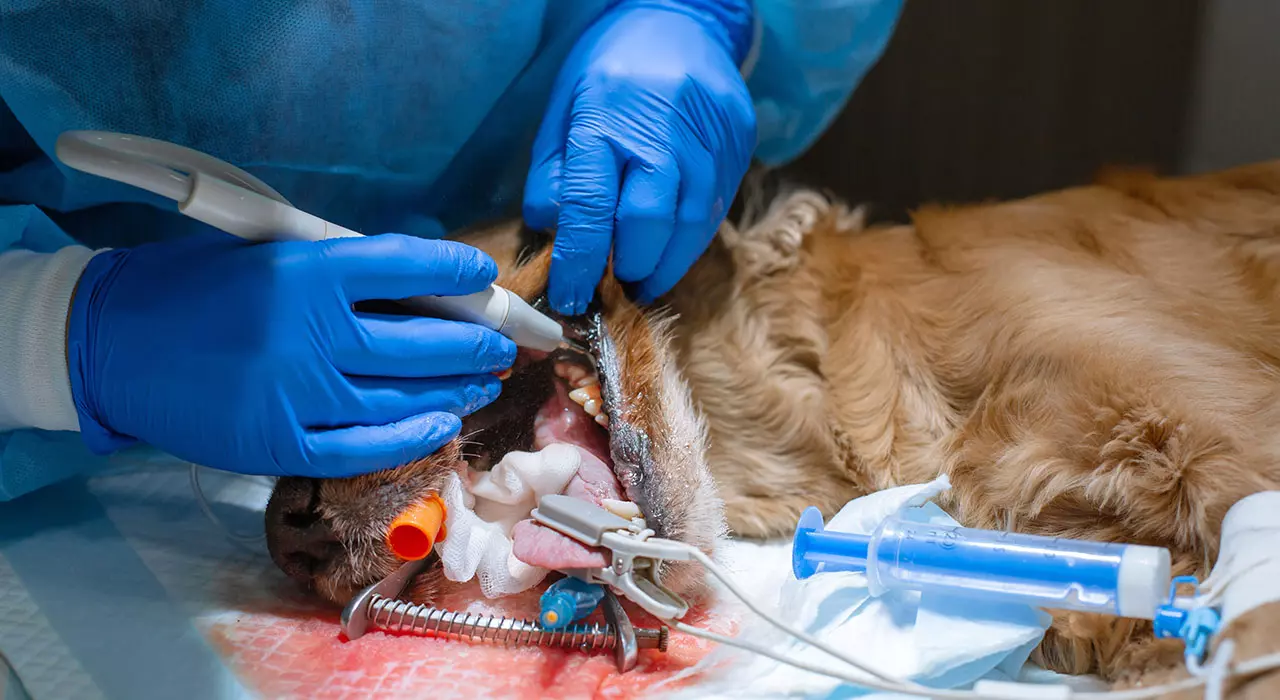
La Postgraduate diploma en Canine and Feline Dentistry surge como respuesta a la necesidad y demanda del clínico veterinario que, apoyado en la elevada casuística que va encontrando, busca ofrecer el mejor servicio a sus pacientes. Así, se abordan las neoplasias que afectan a las mascotas en la cavidad oral, y cómo afrontarlas, en estos casos, con la cirugía como base de los tratamientos odontológicos en los animales de compañía.
El temario abarca conocimiento especializado para llevar a cabo la reparación de las fracturas de mandíbula, considerando la biomecánica que las produce para solventarlas de la forma más adecuada.
Los conocimientos avanzados desarrollados en esta Postgraduate diploma están apoyados en la experiencia clínica de los docentes, así como en artículos y publicaciones científicas relacionadas directamente con el sector de la odontología veterinaria más actual.
Esta Postgraduate diploma capacita y ofrece al alumno todos los conocimientos teóricos y prácticos necesarios para afrontar con seguridad y garantías cualquier procedimiento bucodental y maxilofacial en las especies de estudio.
Hoy en día, la posibilidad de coordinar la vida laboral del clínico veterinario con la realización de una Postgraduate diploma como el presente es muy apreciada y valiosa, y esta Postgraduate diploma cumple con esta exigencia, en calidad docente. Su formato permite la conciliación laboral y académica de todos los alumnos, y satisface las exigencias y demandas del profesional veterinario.
Contarás con la experiencia de profesionales expertos que aportarán al programa su experiencia en esta área de actuación, haciendo de esta capacitación una ocasión única de crecimiento profesional”
Esta Postgraduate diploma en Canine and Feline Dentistry contiene el programa científico más completo y actualizado del mercado. Sus características más destacadas son:
- Última tecnología en software de enseñanza online
- Sistema docente intensamente visual, apoyado en contenidos gráficos y esquemáticos de fácil asimilación y comprensión
- Desarrollo de casos prácticos presentados por expertos en activo
- Sistemas de vídeo interactivo de última generación
- Enseñanza apoyada en la telepráctica
- Sistemas de actualización y reciclaje permanente
- Aprendizaje autorregulable: total compatibilidad con otras ocupaciones
- Ejercicios prácticos de autoevaluación y constatación de aprendizaje
- Grupos de apoyo y sinergias educativas: preguntas al experto, foros de discusión y conocimiento
- Comunicación con el docente y trabajos de reflexión individual
- Disponibilidad de los contenidos desde cualquier dispositivo fijo o portátil con conexión a internet
- Bancos de documentación complementaria disponible permanentemente, incluso después del programa
Consigue una completa y adecuada habilitación en Canine and Feline Dentistry con esta Postgraduate diploma de alta eficacia formativa y abre nuevos caminos a tu progreso profesional”
El personal docente está integrado por profesionales de diferentes ámbitos relacionados con esta especialidad. De esta manera TECH se asegura de ofrecerle el objetivo de actualización que pretende. Un cuadro multidisciplinar de profesionales capacitados y experimentados en diferentes entornos, que desarrollarán los conocimientos teóricos, de manera eficiente, pero, sobre todo, pondrán al servicio del programa los conocimientos prácticos derivados de su propia experiencia: una de las cualidades diferenciales de esta capacitación.
Este dominio de la materia se complementa con la eficacia del diseño metodológico de esta Postgraduate diploma en Canine and Feline Dentistry. Elaborado por un equipo multidisciplinario de expertos en e-learning, integra los últimos avances en tecnología educativa. De esta manera, podrás estudiar con un elenco de herramientas multimedia cómodas y versátiles que te darán la operatividad que necesitas en tu capacitación.
El diseño de este programa se centra en el Aprendizaje Basado en Problemas: un planteamiento que concibe el aprendizaje como un proceso eminentemente práctico. Para conseguirlo de forma remota, se usará la telepráctica: con la ayuda de un novedoso sistema de vídeo interactivo y el Learning from an Expert, el estudiante podrá adquirir los conocimientos como si estuviese enfrentándose al supuesto que está aprendiendo en ese momento. Un concepto que le permitirá integrar y fijar el aprendizaje de una manera más realista y permanente.
Con un diseño metodológico que se apoya en técnicas de enseñanza contrastadas por su eficacia, esta Postgraduate diploma en Canine and Feline Dentistry te llevará a través de diferentes abordajes docentes para permitirte aprender de forma dinámica y eficaz"
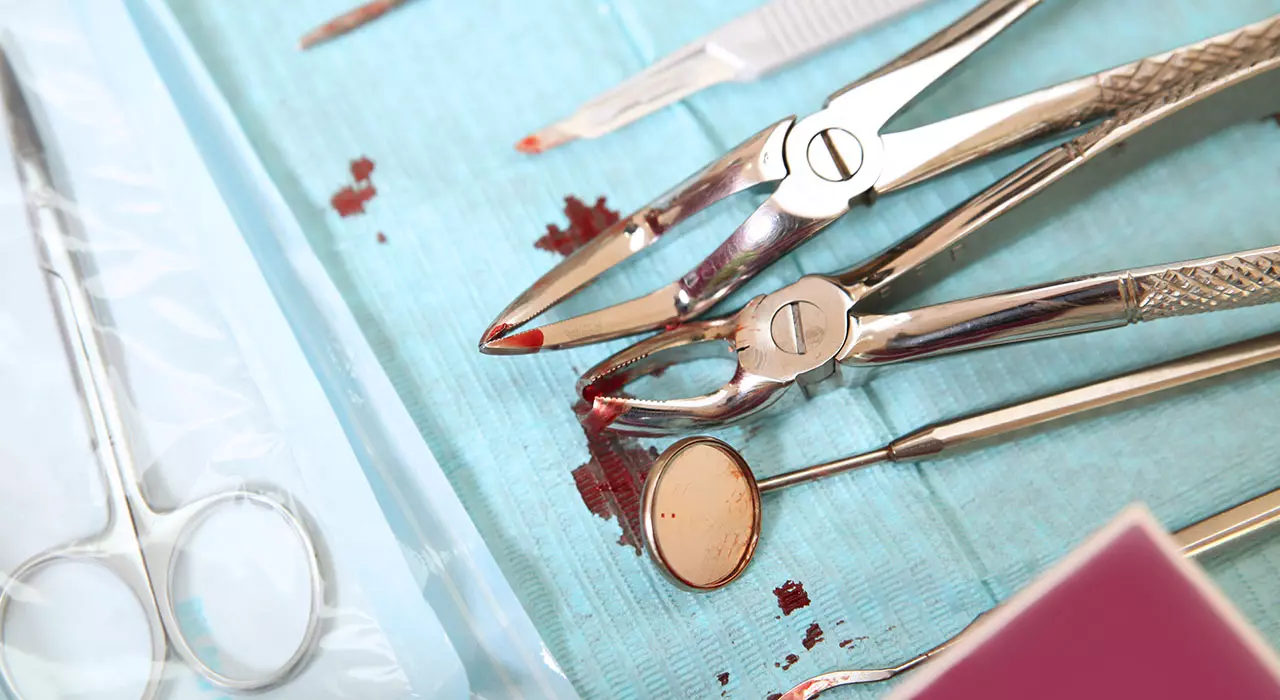
Una Postgraduate diploma que te capacitará para realizar la actividad del odontólogo en veterinaria, con la solvencia de un profesional experimentado de alto nivel"
Syllabus
The contents of this program have been developed by different experts, with a clear purpose: to ensure that students acquire each and every one of the skills necessary to become true experts in this field.
A complete and well-structured program will take you to the highest standards of quality and success.

A comprehensive teaching program, structured in well-developed teaching units, oriented towards learning that is compatible with your personal and professional life"
Module 1. Dental and Oral Cavity Anatomy in Small Animals
1.1. Embryology and Odontogenesis. Terminology
1.1.1. Embryology
1.1.2. Dental Rash
1.1.3. Odontogenesis and the Periodontium
1.1.4. Dental Terminology
1.2. The Oral Cavity Occlusion and malocclusion
1.2.1. The Oral Cavity
1.2.2. Occlusion in Dogs
1.2.3. Occlusion in Cats
1.2.4. Mandibular Prognathism
1.2.5. Mandibular Brachycephalism
1.2.6. Wry Bite
1.2.7. Narrow Mandible
1.2.8. Anterior Crossbite
1.2.9. Malocclusion of the Canine Tooth
1.2.10. Premolar and Molar Malocclusion
1.2.11. Malocclusion Associated with Persistence of Primary Teeth
1.3. Dental Anatomy in the Dog
1.3.1. Dental Formula
1.3.2. Types of Teeth
1.3.3. Dental Composition
1.3.3.1. Enamel, Dentine, Pulp
1.3.4. Terminology
1.4. Periodontal Anatomy in the Dog
1.4.1. Gum
1.4.2. Periodontal Ligament
1.4.3. Cementum
1.4.4. Alveolar Bone
1.5. Dental Anatomy in Cats
1.5.1. Dental Formula
1.5.2. Types of Teeth
1.5.3. Dental Composition
1.5.4. Terminology
1.6. Periodontal Anatomy in Cats
1.6.1. Gum
1.6.2. Periodontal Ligament
1.6.3. Cementum
1.6.4. Alveolar Bone
1.7. Bone and Joint Anatomy
1.7.1. Cranium
1.7.2. Facial Region
1.7.3. Maxillary Region
1.7.4. Mandibular Region
1.7.5. Temporomandibular Joint
1.8. Muscular Anatomy
1.8.1. Masseter Muscle
1.8.2. Temporal Muscle
1.8.3. Pterygoid Muscle
1.8.4. Digastric Muscle
1.8.5. Muscles of the Tongue
1.8.6. Muscles of the Soft Palate
1.8.7. Muscles of Facial Expression
1.8.8. Head Fascia
1.9. Neuromuscular Anatomy
1.9.1. Motor Nerves
1.9.2. Sensitive Nerves
1.9.3. Brachiocephalic Trunk
1.9.4. Common Carotid Artery
1.9.5. External Carotid Artery
1.9.6. Internal Carotid Artery
1.10. Anatomy of the Tongue, Palate, Lymphonodes and Glands
1.10.1. Hard Palate
1.10.2. Soft Palate
1.10.3. Canine Tongue
1.10.4. Feline Tongue
1.10.5. Lymphonodes and Tonsils
1.10.6. Salivary Glands
Module 2. Dentistry in Canine Veterinary
2.1. Veterinary Dentistry
2.1.1. History of Veterinary Dentistry
2.1.2. Basis and Fundamentals of Veterinary Dentistry
2.2. Equipment and Materials in Veterinary Dentistry
2.2.1. Equipment
2.2.1.1. Basic Equipment
2.2.1.2. Specific Equipment
2.2.2. Materials
2.2.2.1. Basic Instruments
2.2.2.2. Specific Instruments
2.2.2.3. Fungibles
2.2.2.4. Methods of Oral Impression Preparation
2.3. Oral Examination
2.3.1. Medical History
2.3.2. Oral Examination with the Patient Awake
2.3.3. Oral Examination with Sedated or Anaesthetised Patient
2.3.4. Records
2.4. Pediatric Dentistry
2.4.1. Introduction
2.4.2. Development of the Deciduous Dentition
2.4.3. Change of Dentition
2.4.4. Deciduous Persistence
2.4.5. Supernumerary Teeth
2.4.6. Agenesis
2.4.7. Dental Fractures
2.4.8. Malocclusions
2.5. Periodontal Disease
2.5.1. Gingivitis
2.5.2. Periodontitis
2.5.3. Pathophysiology of Periodontal Disease
2.5.4. Periodontal Profilaxia
2.5.5. Periodontal Therapy
2.5.6. Postoperative Care
2.6. Oral Pathologies
2.6.1. Enamel Hypoplasia
2.6.2. Halitosis
2.6.3. Tooth Wear
2.6.4. Dental Fractures
2.6.5. Oronasal Fistulas
2.6.6. Infraorbital Fistulas
2.6.7. Temporomandibular Joint
2.6.8. Cranio-Mandibular Osteopathy
2.7. Dental Extraction
2.7.1. Anatomical Concepts
2.7.2. Indications
2.7.3. Surgical Management
2.7.4. Flaps
2.7.5. Post-Operative Treatment
2.8. Endodontics and Orthodontics
2.9. Dental Radiology
2.10. Maxillofacial Fractures
2.10.1. Emergencies
2.10.2. Stabilisation of the Patient
2.10.3. Clinical Examination
2.10.4. Treatment
2.10.4.1. Conservational Treatment
2.10.4.2. Surgical Management
2.10.5. Therapeutics and Postoperative Care
2.10.6. Complications
Module 3. Dentistry in Feline Veterinary
3.1. General Basis of Feline Dentistry
3.1.1. Introduction
3.1.2. Dental Equipment
3.1.2.1. Basic Equipment
3.1.2.2. Specific Equipment
3.2. Materials and Instrumentation for Felines
3.2.1. Basic Instruments
3.2.2. Specific Instruments
3.2.3. Fungibles
3.2.4. Methods of Oral Impression Preparation
3.3. Oral Examination and Assessment of the Cat
3.3.1. Medical History
3.3.2. Oral Examination with the Patient Awake
3.3.3. Oral Examination with Sedated or Anaesthetised Patient
3.3.4. Registration and Odontogram
3.4. Periodontal Disease
3.4.1. Gingivitis
3.4.2. Periodontitis
3.4.3. Pathophysiology of Periodontal Disease
3.4.4. Gingival and Alveolar Bone Retraction
3.4.5. Periodontal Profilaxia
3.4.6. Periodontal Therapy
3.4.7. Postoperative Care
3.5. Feline Oral Pathology
3.5.1. Halitosis
3.5.2. Dental Traumatism
3.5.3. Cleft Palate
3.5.4. Dental Fractures
3.5.5. Oronasal Fistulas
3.5.6. Temporomandibular Joint
3.6. Feline Gingivostomatitis
3.6.1. Introduction
3.6.2. Clinical Signs
3.6.3. Diagnosis
3.6.4. Complementary Tests
3.6.5. Medical Treatment
3.6.6. Surgical Management
3.7. Feline Dental Resorption
3.7.1. Introduction
3.7.2. Pathogenesis and Clinical Signs
3.7.3. Diagnosis
3.7.4. Complementary Tests
3.7.5. Treatment
3.7.6. Treatment
3.8. Dental Extraction
3.8.1. Anatomical Concepts
3.8.2. Indications
3.8.3. Anatomical Particularities
3.8.3. Surgical Management
3.8.5. Odontosection
3.8.4. Flaps
3.8.5. Post-Operative Treatment
3.9. Endodontics
3.9.1. Basis of Endodontics
3.9.2. Specific Materials
3.9.3. Indications
3.9.4. Diagnosis
3.9.5. Surgical Technique
3.9.6. Post-Operative Care
3.9.7. Complications
3.10. Maxillofacial Fractures
3.10.1. Emergencies
3.10.2. Stabilisation of the Patient
3.10.3. Clinical Examination
3.10.4. Treatment
3.10.5. Therapeutics and Postoperative Care
3.10.6. Complications
Module 4. Oral Cavity Surgery in Small Animals
4.1. Surgical Pathology and Surgery of the Cheeks and Lips
4.1.1. Chewing Injuries
4.1.2. Lacerations
4.1.3. Lip Avulsion
4.1.4. Necrosis
4.1.5. Cheilitis and Dermatitis
4.1.6. Inappropriate Salivation
4.1.7. Tight Lip
4.1.8. Cleft Lip
4.2. Surgical Pathology and Tongue Surgery
4.2.1. Congenital Disorders
4.2.2. Infectious Disorders
4.2.3. Trauma
4.2.4. Miscellaneous
4.2.5. Neoplasms and Hyperplastic Lesions
4.3. Oropharyngeal Disorders
4.3.1. Dysphagia
4.3.2. Penetrating Wounds to the Pharynx
4.4. Surgical Pathology of the Tonsils
4.4.1. Tonsil Inflammation
4.4.2. Tonsil Neoplasia
4.5. Surgical Pathology of the Palate
4.5.1. Congenital Defects of the Palate
4.5.1.1. Cleft Lip
4.5.1.2. Cleft Palate
4.5.2. Acquired Defects of the Palate
4.5.2.1. Oro-Nasal Fistula
4.5.2.2. Trauma
4.6. Surgical Pathology of the Salivary Glands in the Dog
4.6.1. Surgical Diseases of the Salivary Glands
4.6.1.1. Sialocele
4.6.1.2. Sialoliths
4.6.1.3. Salivary Gland Neoplasia
4.6.2. Surgical Technique
4.7. Oncological Surgery of the Oral Cavity in Dogs and Cats
4.7.1. Sample Collection
4.7.2. Benign Neoplasms
4.7.3. Malignant Neoplasms
4.7.4. Surgical Management
4.8. Surgical Pathology of the TMJ.Surgical Pathology of the TMJ
4.8.1. Temporomandibular Joint Dysplasia
4.8.2. Fractures and Dislocations
4.9. Introduction to Jaw Fractures
4.9.1. Principles of Fracture Repair
4.9.2. Biomechanics of Jaw Fractures
4.9.3. Techniques in the Treatment of Fractures
4.10. Mandibular Fractures in the Dog and Cat
4.10.1. Fractures of the Jaw
4.10.2. Frac

A comprehensive teaching program, structured in well-developed teaching units, oriented towards learning that is compatible with your personal and professional life"
Postgraduate Diploma in Canine and Feline Dentistry
The care and attention of dogs and cats is one of the main concerns of pet owners. Would you like to specialize in this field to provide high quality dental care to pets? You've come to the right place. At TECH Global University you will find the most complete and updated Postgraduate Diploma in Canine and Feline Dentistry in the educational panorama. This postgraduate course is a proposal of voluminous, but dynamic content designed by TECH as a way to update your skills in the face of the new demands of the labor market. Within the respective training, we offer you both online classes that you can manage under your own time availability, as well as a diverse interactive agenda that covers from the diagnosis and treatment of the most common dental problems in dogs and cats, to the prevention of dental diseases, dental care at home and anesthesia in veterinary dentistry.
Become an expert in canine and feline dental health.
Why choose us? Because not only do we have significant academic experience endorsed by major educational organizations and international media such as Forbes, but we offer a 100% online professionalization with infallible results. Our Postgraduate Diploma will provide you with a solid theoretical and practical training that will allow you to learn how to diagnose and treat the most common dental problems in dogs and cats. In addition, you will have access to up-to-date study materials and state-of-the-art technological tools that will allow you to make the most of your learning experience. As you progress through the program, you will specialize in dental disease prevention, home dental care and anesthesia in veterinary dentistry. Upon graduation, you will be able to provide high-quality dental care for dogs and cats, improving their quality of life and preventing future dental health problems.