
University certificate







The world's largest faculty of nursing”
Introduction to the Program
Gracias a esta Postgraduate diploma 100% online, proporcionarás una atención de excelsa calidad a individuos que requieran una atención clínica inmediata fuera del entorno hospitalario”
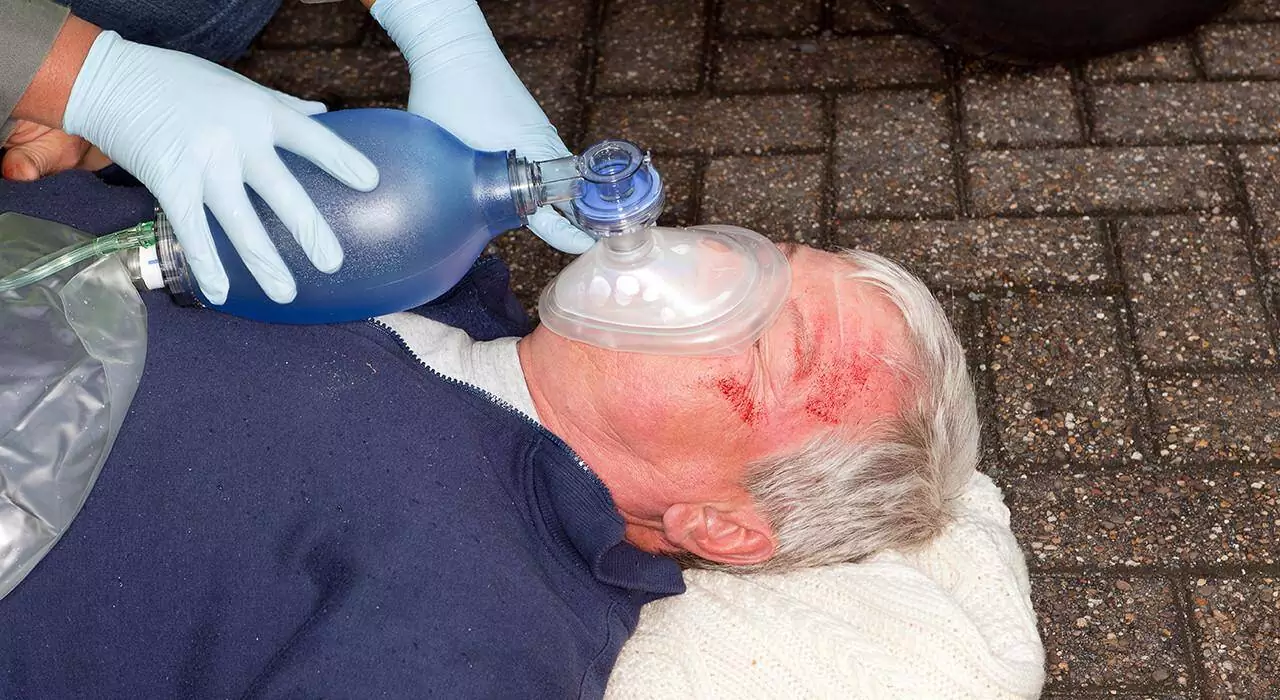
Las urgencias fuera del ámbito hospitalario constituyen un campo en constante expansión que requiere una preparación integral por parte de los enfermeros. En este sentido, los profesionales deben responder con efectividad y prontitud a diferentes condiciones críticas que abarcan desde la Trombosis Venosa Profunda o Hemoptisis hasta Infecciones del Sistema Nervioso Central. Frente a esto, los expertos requieren actualizar sus competencias clínicas con frecuencia para así garantizar una mejora en el estado de los usuarios y reducir la mortalidad en estos escenarios severos. No obstante, esta puesta al día puede suponerles todo un reto teniendo en cuenta su elevada carga de trabajo.
Por eso, TECH desarrolla un revolucionario Postgraduate diploma en Nursing in Outpatient Emergencies. Diseñado por referencias en este ámbito, el itinerario académico profundizará en las técnicas diagnósticas más vanguardistas para estabilizar a los pacientes (entre los que destacan la administración de fármacos, realización de sondajes o manejo de la Ventilación Mecánica No Invasiva). En sintonía con esto, el temario abordará en la gestión de una amplia gama de patologías, entre las que sobresalen las afecciones cardiovasculares, neurológicas o digestivas. De esta forma, los egresados obtendrán habilidades clínicas para identificar los signos de forma temprana y aplicarán las terapias más oportunas en cada caso. Además, el programa hará hincapié en el abordaje multidisciplinar de Incidentes de Múltiples Víctimas, ofreciendo las técnicas de triaje más vanguardistas.
En cuanto a la metodología, la titulación se imparte de forma completamente online para que los enfermeros planifiquen sus propios horarios. Asimismo, TECH emplea su innovador sistema de aprendizaje: el Relearning. Este permite que los profesionales afiancen los conceptos del temario de forma progresiva y natural, sin la necesidad de recurrir a técnicas costosas tradicionales como la memorización. Para acceder al Campus Virtual, lo único que los egresados necesitarán es un dispositivo electrónico con conexión a internet. De este modo, los expertos podrán disfrutar de los materiales didácticos más pragmáticos del panorama académico.
Con TECH tienes la comodidad en tus manos al contar con la flexibilidad horaria para realizar tus sesiones en cualquier momento del día. ¿A qué esperas para matricularte?”
Esta Postgraduate diploma en Nursing in Outpatient Emergencies contiene el programa científico más completo y actualizado del mercado. Sus características más destacadas son:
- El desarrollo de casos prácticos presentados por expertos Emergencias y Urgencias médicas en el entorno extrahospitalario
- Los contenidos gráficos, esquemáticos y eminentemente prácticos con los que está concebido recogen una información científica y práctica sobre aquellas disciplinas indispensables para el ejercicio profesional
- Los ejercicios prácticos donde realizar el proceso de autoevaluación para mejorar el aprendizaje
- Su especial hincapié en metodologías innovadoras
- Las lecciones teóricas, preguntas al experto, foros de discusión de temas controvertidos y trabajos de reflexión individual
- La disponibilidad de acceso a los contenidos desde cualquier dispositivo fijo o portátil con conexión a internet
Profundizarás en los cuidados clínicos a pacientes terminales, lo que te permitirá desarrollar estrategias de movilización que prevengan Úlceras por Presión”
El programa incluye en su cuadro docente a profesionales del sector que vierten en esta capacitación la experiencia de su trabajo, además de reconocidos especialistas de sociedades de referencia y universidades de prestigio.
Su contenido multimedia, elaborado con la última tecnología educativa, permitirá al profesional un aprendizaje situado y contextual, es decir, un entorno simulado que proporcionará una capacitación inmersiva programada para entrenarse ante situaciones reales.
El diseño de este programa se centra en el Aprendizaje Basado en Problemas, mediante el cual el profesional deberá tratar de resolver las distintas situaciones de práctica profesional que se le planteen a lo largo del curso académico. Para ello, contará con la ayuda de un novedoso sistema de vídeo interactivo realizado por reconocidos expertos.
Incorporarás a tu praxis diaria las técnicas de triaje más sofisticadas para gestionar eficientemente los Incidentes de Múltiples Víctimas”
La innovadora metodología Relearning te permitirá asimilar los conceptos más complejos del temario de manera progresiva y natural”
Syllabus
Through this university program, nursing professionals will have a comprehensive understanding of the management of Outpatient Emergencies. To this end, the syllabus will delve into both Advanced Cardiovascular Support techniques and diagnostic procedures to identify the severity of patients. In addition, the syllabus will delve into the management of emergencies such as Pneumonias, Intracranial Hypertension, Hematuria or Acute Gastroenteritis. Therefore, graduates will be highly qualified to carry out therapies such as catheterization, drug administration or even continuous monitoring of the hemodynamic status of users.

You will provide personalized care to patients with Traumatic Injuries in the outpatient setting, ensuring proper posture to prevent clinical complications such as Fractures”
Module 1. Generalities
1.1. Definitions and Concepts
1.2. Comprehensive Care
1.3. Bioethics and Legislation in Emergency Medicine
1.4. Bioethics
1.5. Legislation
Module 2. Advanced Cardiovascular Support
2.1. Basic Life Support in Adults
2.1.1. Generalities
2.2. Advanced Life Support in Adults
2.2.1. Action in Case of Bradyarrhythmia
2.2.2. Action in Response to Tachyarrhythmias
2.3. Basic Pediatric Life Support
2.4. Pediatric and Neonatal Advanced Life Support
2.4.1. Recognition and Management of Critically Ill Children
2.4.2. Advanced Airway Management
2.4.3. Basics of Mechanical Ventilation in Pediatrics
2.4.4. Infusion Routes and Drugs in Pediatric CPR
2.4.5. Pediatric VAS Algorithms and Arrhythmia Treatment
2.5. Neonatal Resuscitation
2.5.1. Post-Resuscitation Stabilization and Neonatal Transport
2.6. Advanced Life Support in Serious Trauma Patients
2.7. Advanced Life Support in Special Cases
Module 3. Mass Casualty Incidents (MCI) and Catastrophes
3.1. Generalities
3.2. MCI and Disaster Management
3.3. Sectorization
3.4. Deployment and Logistics
3.5. Triage
3.6. Multiple Victim Care
3.7. Evacuation
3.8. MVI Management in a Hospital
3.9. CBRN Incidents
3.10. Emergency Planning
Module 4. Diagnostic and Therapeutic Techniques (HSE and Catastrophic)
4.1. Probes
4.2. Peripheral and Central Vein Cannulation
4.3. Intraosseous Route
4.4. OTI (Orotracheal Intubation)
4.5. Difficult Airway
4.6. Invasive Mechanical Ventilation
4.7. Management of Noninvasive Mechanical Ventilation
4.8. Pericardiocentesis
4.9. Thoracocentesis and Pleural Drainage
4.10. Emergency Department Ultrasonography
4.11. Electrical Therapy (MP, CV, DF)
4.12. Monitoring of Hemodynamic Status and Electrocardiography
4.13. Capnography and Pulse Oximetry
4.14. Oxygen Therapy
4.15. Monitoring of Neurological Status
4.16. Monitoring of Sedoanalgesia
4.17. Collecting Analytical Samples
4.18. Frequently Used Scales in Accident and Emergency Medicine
4.19. Physiological Parameters in Adults and Children
Module 5. Pharmacology in Emergencies
5.1. Basic Concepts
5.2. Drug Administration Routes in Accidents and Emergencies
5.3. Drug Administration Safety
5.4. Fluid Therapy
5.5. Most Common Drugs Used in Accident and Emergency Care
5.6. Formulas and Dosage Calculation
Module 6. Cardiovascular Emergencies
6.1. Arrhythmias
6.2. Syncope
6.3. Acute Chest Pain
6.4. Acute Coronary Syndrome The Heart Attack Code
6.5. Pericarditis, Cardiac Tamponade
6.6. Heart Failure
6.7. Acute Pulmonary Edema
6.8. Deep Vein Thrombosis (DVT)
6.9. Pulmonary Thromboembolism (PTE)
6.10. Aortic Dissection
6.11. Hypertensive Emergencies
6.12. Shock
Module 7. Respiratory Emergencies
7.1. Respiratory Emergencies
7.2. Pneumonia
7.3. COPD Exacerbation
7.4. Pleuritis and Pleural Effusion
7.5. Pneumothorax
7.6. Hemoptysis
Module 8. Neurological Emergencies
8.1. Neurological Assessment of a Critically Ill Patient
8.2. Vascular Disorders, Ictus Code
8.3. Alterations in the Level of Consciousness
8.4. Intracranial Hypertension
8.5. Central Nervous System Infections
8.6. Seizures and Status Epilepticus
8.7. Headaches
8.8. Vertiginous Syndrome (Vertigo)
Module 9. Digestive Emergencies
9.1. Acute Abdominal Pain
9.2. Acute Gastrointestinal Hemorrhage and Vascular Disorders
9.3. Intestinal Obstruction
9.4. Acute Gastroenteritis
9.5. Acute Pancreatitis
9.6. Acute Biliary Pathology
9.7. Acute Anal Pathology
Module 10. Nephrologic Emergencies
10.1. Nephro-urological Emergencies
10.2. Renal and Excretory System Lithiasis
10.3. Urinary Retention
10.4. Urinary Tract Infections
10.5. Acute Renal Failure
10.6. Hematuria
10.7. Acute Scrotal Syndrome
10.8. Urethral Pathology
Module 11. Endocrinometabolic Emergencies
11.1. Glucose Metabolism Disorders
11.2. Thyroid Emergencies
11.3. Acid-Base Balance Disorders
11.4. Water Balance Disorders
11.5. Electrolyte Balance Disorders
Module 12. Psychiatric Emergencies
12.1. Psychopathologies
12.2. Psychomotor Agitation
12.3. Acute Alcoholic Pathology
12.4. Self-Harm Attempt
12.5. Anxiety Attack
12.6. Neuroleptic Malignant Syndrome
Module 13. Pediatric Emergencies
13.1. Infantile Colic
13.2. Febrile Syndrome
13.3. Seizures
13.4. Airway Pathology
13.5. Exanthematous Diseases
13.6. Digestive Pathology
13.7. Child Abuse
13.8. Transport of Critical Pediatric Patients
Module 14. Toxicological Emergencies
14.1. General Aspects of an Intoxicated Patient
14.2. Most Common Intoxications
Module 15. Severe Trauma Care (Catastrophic or HSE)
15.1. Generalities
15.2. Biomechanics of Accidents
15.3. Primary and Secondary Assessment
15.4. TBI
15.5. Thoracic Trauma
15.6. Abdominal Trauma
15.7. Vertebral Trauma and Spinal Cord Injury
15.8. Trauma of the Locomotor System
15.9. Injuries
15.10. Hypovolemic Shock
15.11. Pediatric Trauma
15.12. Trauma During Pregnancy
15.13. Special Traumas
15.14. Injuries due to Physical and Environmental Agents
15.15. Bites and Stings
15.16. Analgesia and Sedation
15.17. Mobilization and Immobilization Materials and Techniques
15.18. Rescue and Medical Care in Confined and Remote Places
Module 16. Other Important Aspects in Emergencies
16.1. Communication Skills in Emergencies
16.2. Patient Safety
16.3. New Skills of the Emergency Professional
16.4. New Technologies in Emergencies
Module 17. Other Emergencies
17.1. Emergency Complications in Terminal Patients
17.2. Attention to the Situation in the Last Few Days of a Terminal Patient’s Life
17.3. Dermatology in Emergencies
17.4. Organ and Tissue Donation

Make the most of this opportunity to surround yourself with expert professionals and learn from their work methodology"
Postgraduate Diploma in Nursing in Outpatient Emergencies
Nursing requires constant updating of knowledge and skills, since it is a requirement to remain at the forefront in different areas, including the provision of services in unforeseen situations that require immediate intervention. Because of this, at TECH we have developed a Postgraduate Diploma in Nursing in Outpatient Emergencies. A high-level academic program designed to correctly address the multiple emergencies that may arise. You will learn in depth topics such as the pathophysiology of medical transport, basic cardiopulmonary resuscitation with AED, pharmacology and general procedures for action in case of catastrophes. In this way, you will be able to coordinate emergency centers and perform nursing interventions with the highest quality and safety based on the latest scientific evidence. Take this online postgraduate diploma and add new skills to your career to achieve professional success.
Get certified at the largest nursing school in the world
At TECH we have the most innovative educational technology, we developed this Postgraduate Diploma in conjunction with the best specialists in the sector, which will allow you to strengthen all your knowledge to meet the challenges that this field requires. Throughout six months you will specialize in intervening, assisting and transporting patients with pathologies that require immediate attention. In addition, you will be specialized to be an expert in multiple emergencies, including cardiovascular, neurological, digestive, nephro-urological and traumatological emergencies, among others. You will also be able to provide pre-hospital care and other services such as cardiopulmonary resuscitation, life support and the management of emergency cases on the move that must be attended in a specialized care center.
Study a postgraduate course completely online
The program is designed with the highest academic quality, in order to promote the continuous development of our students, through the use of the latest tools in the sector. Those nurses who wish to update their intellect and strengthen their knowledge in this area will find in TECH Global University the most complete and updated scientific course. By taking this program they will be qualified to provide timely care to help reduce the sequelae and complications that a patient may present. Also, they will delve into topics such as the management of poisoning, pediatric, psychiatric and respiratory emergencies.