
University certificate







The world's largest faculty of dentistry”
Introduction to the Program
¿Buscas un programa dinámico pero exhaustivo con el que ponerte al día sobre los últimos avances de la Surgical Endodontics? TECH tiene la opción perfecta para que lo consigas en tan solo 6 meses”
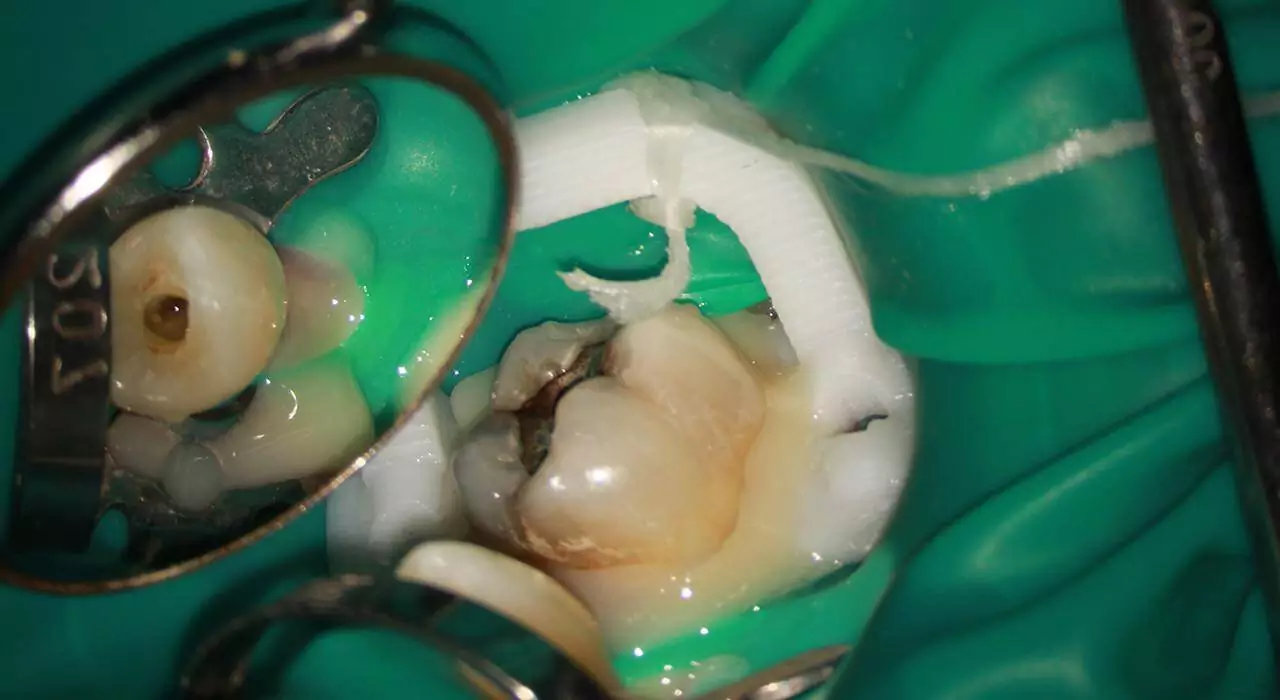
La Surgical Endodontics es una de las prácticas más frecuentes dentro de la consulta odontológica. Y es que la presencia de dientes con afectación pulpar causada por caries o por traumatismos, principalmente, provoca dolor intenso en el paciente además de que, si no se trata, puede extenderse por el resto de la dentadura. El abordaje de este tipo de casos en los que se requiere de una atención específica para eliminar el foco infeccioso o el quiste radicular, ha de realizarse siempre en base a las especificaciones de cada persona, así como tratando de conservar en la medida de lo posible el diente causal mediante el tratamiento del conducto pertinente y el sellado apical a través de apicectomía y obturación retrógrada.
Gracias a las innumerables investigaciones que se realizan cada año en el sector odontológico y clínico en general, sus profesionales cuentan con estrategias y procedimientos cada vez más efectivos y eficaces, así como con un catálogo de herramientas y materiales más amplio y que permite adaptar el tratamiento a las características bucodentales de cada paciente. Y con el fin de facilitarles el acceso a esta información para que puedan ponerse al día sobre estos avances, TECH y su equipo de profesionales han desarrollado un completísimo Postgraduate diploma en Surgical Endodontics. Así, a través de 400 horas de material teórico, práctico y adicional, el egresado podrá actualizar sus conocimientos en este campo, así como en la toma de decisiones entre tratamientos y en el empleo de esta técnica en pacientes con edad avanzada.
Todo ello a través de una experiencia académica dinámica e innovadora que incluye, además del temario, casos clínicos basados en situaciones reales de la consulta odontológica, así como artículos de investigación, lecturas complementarias, ejercicios de autoconocimiento, resúmenes dinámicos, un catálogo de preguntas frecuentes, ¡y mucho más! A ello se sumarán un grupo de exclusivas Masterclasses impartidas por un experto internacional en materia de Endodoncia y Cirugía Apical.
No dejes pasar esta exclusiva oportunidad que TECH te ofrece para adquirir competencias a través de las Masterclasses de un eminente experto internacional del ámbito de la Endodoncia”
Esta Postgraduate diploma en Surgical Endodontics contiene el programa científico más completo y actualizado del mercado. Sus características más destacadas son:
- El desarrollo de casos prácticos presentados por expertos en Odontología
- Los contenidos gráficos, esquemáticos y eminentemente prácticos con los que está concebido recogen una información científica y práctica sobre aquellas disciplinas indispensables para el ejercicio profesional
- Los ejercicios prácticos donde realizar el proceso de autoevaluación para mejorar el aprendizaje
- Su especial hincapié en metodologías innovadoras
- Las lecciones teóricas, preguntas al experto, foros de discusión de temas controvertidos y trabajos de reflexión individual
- La disponibilidad de acceso a los contenidos desde cualquier dispositivo fijo o portátil con conexión a internet
Contarás con material adicional para ahondar en aspectos novedosos relacionados con los materiales de obturación de los conductos, las técnicas de gutapercha o el control del dolor posoperatorio”
El programa incluye en su cuadro docente a profesionales del sector que vierten en esta capacitación la experiencia de su trabajo, además de reconocidos especialistas de sociedades de referencia y universidades de prestigio.
Su contenido multimedia, elaborado con la última tecnología educativa, permitirá al profesional un aprendizaje situado y contextual, es decir, un entorno simulado que proporcionará una capacitación inmersiva programada para entrenarse ante situaciones reales.
El diseño de este programa se centra en el Aprendizaje Basado en Problemas, mediante el cual el profesional deberá tratar de resolver las distintas situaciones de práctica profesional que se le planteen a lo largo del curso académico. Para ello, contará con la ayuda de un novedoso sistema de vídeo interactivo realizado por reconocidos expertos.
Tendrás acceso ilimitado al Campus Virtual, pudiendo acceder a él a cualquier hora y desde cualquier dispositivo con conexión a internet”
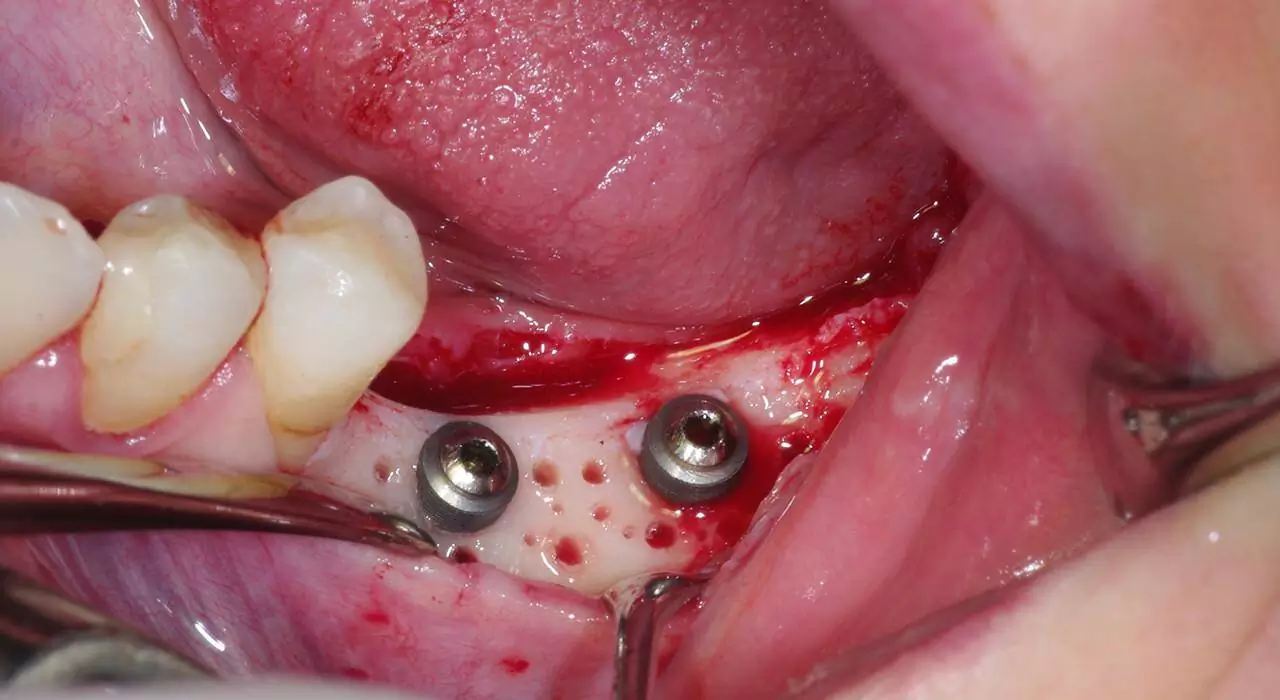
Trabajarás intensivamente en el perfeccionamiento de tus competencias para la remodelación del ápice radicular en el paciente que requiera de una obturación del sistema de conductos”
Syllabus
The structure of the contents has been designed by a team of professionals knowledgeable about the implications of specialization in daily medical practice in who are aware of the relevance of the current relevance of training to be able to treat a patient with problems that require Surgical Endodontics and are committed to quality teaching through new educational technologies.

This Postgraduate diploma in Surgical Endodontics contains the most complete and up-to-date scientific program on the market”
Module 1. The Modern Concept of Endodontics
1.1. Reviewing the Concept of Dentinal Canal, Cementary Canal and Pulp Stump, Pulp Cap, or Differentiated Apical Periodontium
1.1.1. Dentinal Canal
1.1.2. Cementary Canal
1.1.3. Pulp Stump, Pulp Cap, or Differentiated Apical Periodontium
1.2. Reviewing the Concept of Root Cementum, Apical Foramen, Periodontal Membrane, and Alveolar Bone
1.2.1. Cementodentinal Junction
1.2.2. Root Apex
1.2.3. Root Cementum
1.2.4. Apical Foramen
1.2.5. Periodontal Membrane
Module 2. Root Canal System Sealing
2.1. One or More Sessions in Endodontics
2.1.1. Compilation of the Surgical Procedure
2.1.2. Requirements that must be met in order to perform endodontics in one session
2.1.3. Drying and Dentin Preparation prior to Sealing
2.2. Canal Sealing Materials
2.2.1. Gutta-Percha Tips
2.2.2. Classic Sealing Cements
2.2.3. Sealing Biocements
2.3. Technique of Obturation with Gutta-Percha Tips (Lateral Condensation). Part I. General Conditions
2.3.1. Gutta-Percha Tips and Ergonomics in the Technique
2.3.2. Types of Spacers and Calipers
2.3.3. Placing Sealing Cement
2.3.4. Work Systematics
2.4. Technique of Obturation with Gutta-Percha Tips (Lateral Condensation). Part II. Specific Considerations
2.4.1. Specifications on the Lateral Condensation Technique
2.4.2. Combined Technique of Lateral and Vertical Condensation with Heat
2.4.3. Apical Sealing with Lateral Condensation
2.4.4. Management of Occlusion after Endodontics
2.5. Materials and Techniques of Obturation with Thermoplasticized Gutta-Percha (Vertical Condensation with Hot Gutta-Percha)
2.5.1. Introduction
2.5.2. Considerations on the Classic Schilder Technique
2.5.3. Considerations on the "McSpadden" Technique and the "Hybrid Tagger Technique"
2.5.4. Considerations on Buchanan's Continuous Wave Condensation Technique
2.5.5. Considerations on the Technique of Direct Injection of Thermoplasticized Gutta-Percha
2.5.6. Considerations on the technique of canal obturation with resin cement sealant after acid etching of the canal walls
2.6. Materials and techniques for obturation with thermoplasticized gutta-percha (Thermafil® system and others)
2.6.1. Considerations on the technique of direct injection of thermoplasticized gutta-percha with previous MTA apical plug
2.6.2. Technical Considerations of the Thermafil and/or Guttacore® System
2.6.3. Technical Considerations for the GuttaFlow System
2.6.4. Considerations on the Use of Expandable Polymer Tips
2.7. Apical Sealing as the Objective of Treatment. Scarring and Apical Remodeling
2.7.1. Technical and Biological Techniques of Obturation
2.7.2. Concepts of Overextension, Overfilling and Underfilling
2.7.3. The Concept of Permeabilization and Apical “Puff”
2.7.4. Sealing and Obturation of the Two Coronal Thirds of the Canal and of the Occlusal Cavity
2.7.5. Remodeling of the Root Apex
2.8. Postoperative Pain Management and Final Patient Information
2.8.1. Inflammatory Reactivation
2.8.2. What to Do in Case of Inflammatory Reactivation or “Flare-Up”
2.8.3. What Can Be Done to Prevent Inflammatory Reactivation or “Flare-Up”?
2.8.4. Is the tooth milled to free it from occlusion or is it left as it is?
Module 3. Surgery and Microsurgery in Endodontics
3.1. Surgical or Non-Surgical Retreatment. Decision-Making
3.1.1. Endodontic Surgery
3.1.2. Non-Surgical Retreatment
3.1.3. Surgical management
3.2. Basic Instruments
3.2.1. Scanning Tray
3.2.2. Anesthesia Tray
3.2.3. Rotary Instruments
3.2.4. Tipos de limas de endodoncia
3.3. Types of Endodontic Files
3.3.1. Incision through the Gingival Sulcus
3.3.2. Gingival Flap
3.3.3. Triangular Flap
3.3.4. Trapezoidal Flap
3.3.5. Modified Semilunar Incision
3.3.6. Semilunar Incision
3.4. Managing the Flap and Controlling Bleeding
3.4.1. Design of the Flap
3.4.2. Surgical Complication
3.4.3. General Considerations
3.4.4. Presurgical Considerations for Controlling Bleeding
3.4.5. Surgical Considerations for Controlling Bleeding
3.4.6. Local Anesthesia
3.4.7. Design and Elevation of the Flap
3.5. Techniques and Materials Used for Retropreparation and Retro-Obturation
3.5.1. Mineral Trioxide Aggregate (MTA)
3.5.2. Endodontic Application of MTA
3.5.3. Paraendodontic Surgery
3.5.4. Properties of MTA
3.5.5. Biodentine
3.6. Ultrasonic Tips and Optical Microscope as Essential Equipment
3.6.1. Types of Tips
3.6.2. Optical Microscope
3.6.3. Surgical Microscope (S.M.)
3.6.4. Appropriate Use of Instruments
3.6.5. Ultrasonic Devices and Designed Tips
3.7. The Maxillary Sinus and Other Anatomical Structures with which we Can Interact
3.7.1. Neighboring Anatomical Structures
3.7.2. Maxillary Sinus
3.7.3. Inferior Alveolar Nerve
3.7.4. Mental Foramen
3.8. Medication and Recommendations for Optimal Postoperative Care
Module 4. Making Decisions between Root Canal Treatment, Retreatment, Apical Surgery, or Implant
4.1. Treat the Tooth or Extract It?
4.1.1. Reasons to Extract a Tooth
4.1.2. Factors to Consider for Maintaining a Tooth
4.2. Interrelation between Endodontics and Implants
4.2.1. Endodontic-Implant Pathology
4.2.2. Classification of Endodontic-Implant Pathology
4.2.3. Diagnosis of Endodontic-Implant Pathology
4.2.4. Treatment of Endodontic-Implant Pathology
4.2.5. Prevention of Endodontic-Implant Pathology
Module 5. Endodontics in Elderly Patients
5.1. Involution of Dental Structures and Regressive Pulp Alterations. Physiological and Pathological Pulp Canal Obliteration
5.1.1. Physiological Calcium Degeneration
5.1.2. Pathologic Calcium Degeneration
5.2. Calcium Metamorphosis, Dystrophic Calcification or Calcification of the Pulp of the Canal due to Trauma
5.2.1. No Dental Pathology and Crown Discoloration
5.2.2. Periapical Pathology associated with Calcification of the Canal without Discoloration of the Tooth
5.2.3. Periapical Pathology associated with Calcification of the Canal and Discoloration of the Tooth
5.2.4. Clinical Management of Canal Calcification and Useful Treatment Considerations

A unique, key, and decisive training experience to boost your professional development”
Postgraduate Diploma in Surgical Endodontics
The presence of teeth with pulp involvement caused by caries or trauma can cause intense pain and significant discomfort in the patient, and if not treated properly, can spread to other teeth and surrounding tissues. TECH has developed the Postgraduate Diploma in Surgical Endodontics, a 100% online program that will provide you with the theoretical and practical knowledge necessary to perform this technique effectively and safely. Through a practical and dynamic approach, you will master the most precise periapical techniques, the most effective materials for each case and the latest trends in Surgical Endodontics.
Get up to date in the most advanced endodontic techniques
This Postgraduate Diploma in Surgical Endodontics includes the most recent advances in surgical techniques in endodontic practice, from diagnosis and treatment planning to the removal of pathological tissue and canal regeneration. In addition, topics such as treatment decision making, the approach to elderly patients and the most advanced techniques for apical sealing and retrograde obturation are covered. All of this is based on a wide variety of multimedia resources, clinical cases based on real situations, complementary readings and a catalog of frequently asked questions.