
University certificate
Accreditation/Membership








The world's largest faculty of humanities”
Introduction to the Program
Un programa exhaustivo y 100% online, exclusivo de TECH y con una perspectiva internacional respaldada por nuestra afiliación con Geographical Association”

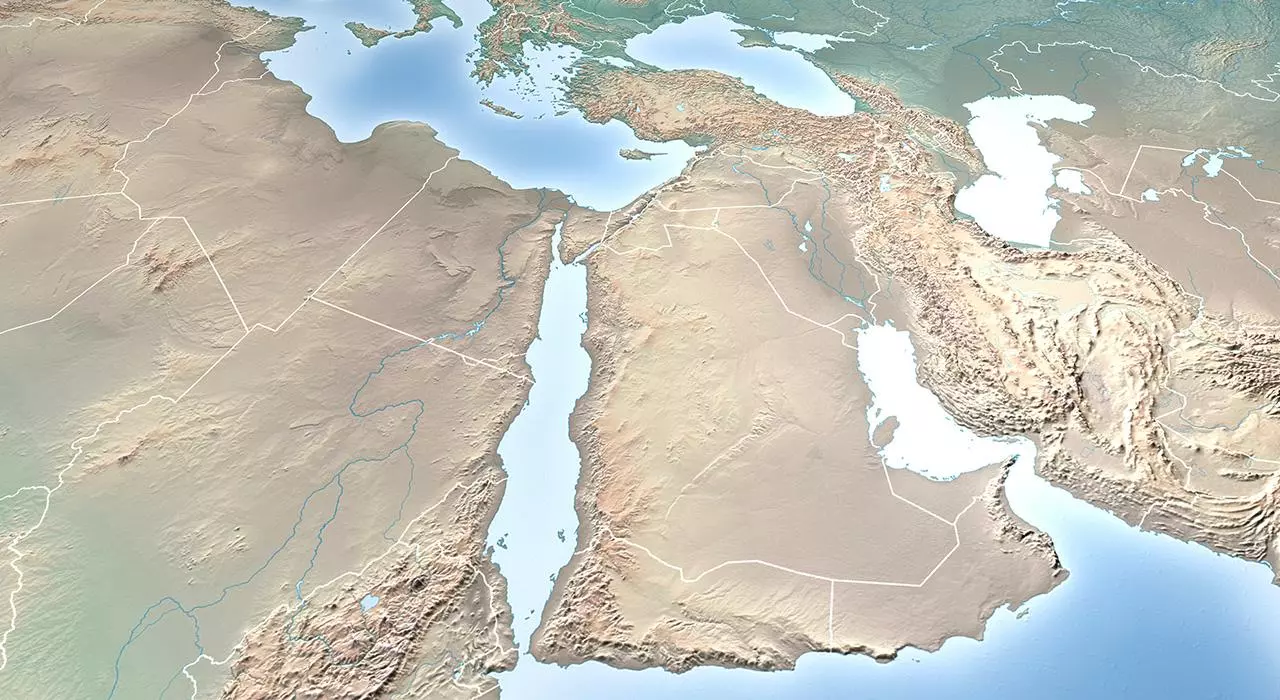
Recorre África, América, Europa, Asia y Oceanía, su morfología y actividad, actualizándote a través de la última evidencia científica en la era en que los satélites e instrumentos de precisión tecnológica han cambiado la forma de conocer nuestro mundo.
El ambiente urbano, la sostenibilidad o los movimientos migratorios, son flujos de desarrollo humano que se circunscriben en las regiones de formas específicas, y que afectan a la morfología de los territorios. La geografía cultural, sensible a estos medios, es clave en los momentos en que las tecnologías digitales impregnan todas las esferas de nuestra vida y cambian sustancialmente nuestra comunicación y nuestro posicionamiento geográfico en el mundo.
Este programa está dirigido a aquellas personas interesadas en alcanzar un nivel de conocimiento superior sobre la geografía mundial y europea. Aprovecha la oportunidad y cursa esta formación en un formato 100% online, sin tener que renunciar a tus obligaciones, y haciendo fácil tu regreso a la universidad. Actualiza tus conocimientos y consigue tu título de Postgraduate diploma para seguir creciendo personal y profesionalmente.
Gracias a la membresía en Geographical Association (GA), el alumno recibirá revistas especializadas y recursos didácticos online. Podrá participar en proyectos colaborativos, recibir asesoría experta y mantenerse actualizado con la revista GA Magazine y boletines semanales. Además, tendrá oportunidades de reconocimiento profesional, acceso a subvenciones para actividades y viajes de estudio, y podrá conectar con una amplia red de educadores en geografía.
Este programa te permitirá potenciar tus capacidades y actualizar tus conocimientos en geografía universal”
Esta Postgraduate diploma en Physical and Human Geography contiene el programa académico más completo y actualizado del panorama universitario. Sus características más destacadas son:
- Desarrollo de 100 escenarios simulados presentados por expertos en geografía
- Sus contenidos gráficos, esquemáticos y eminentemente prácticos con los que están concebidos, recogen una información científica y práctica sobre la Geografía Física y Humana del mundo
- Novedades sobre los últimos avances en de la concreción geográfica física y situación actual de la geografía humana en los diferentes territorios
- Contiene ejercicios prácticos donde realizar el proceso de autoevaluación para mejorar el aprendizaje
- Sistema interactivo de aprendizaje basado en el método del caso y su aplicación a la práctica real
- Todo esto se complementará con lecciones teóricas, preguntas al experto, foros de discusión de temas controvertidos y trabajos de reflexión individual
- Disponibilidad de los contenidos desde cualquier dispositivo fijo o portátil con conexión a internet
Este Postgraduate diploma es perfecto para que conozcas la realidad geográfica del mundo y el comportamiento humano en su distribución y organización”
Incluye, en su cuadro docente, profesionales pertenecientes al ámbito del mundo de la geografía y la historia, que vierten en esta formación la experiencia de su trabajo, además de reconocidos especialistas pertenecientes a sociedades de referencia y universidades de prestigio.
Gracias a su contenido multimedia elaborado con la última tecnología educativa, permitirán al profesional un aprendizaje situado y contextual, es decir, un entorno simulado que proporcionará un aprendizaje inmersivo programado para entrenarse ante situaciones reales.
El diseño de este programa está basado en el Aprendizaje Basado en Problemas, mediante el cual el docente deberá tratar de resolver las distintas situaciones de práctica profesional que se le planteen a lo largo del curso. Para ello, el profesional contará con la ayuda de un novedoso sistema de vídeo interactivo realizado por reconocidos expertos en Physical and Human Geography con gran experiencia docente
Aprovecha la última tecnología educativa para ponerte al día en Physical and Human Geography sin moverte de casa"
Contarás con los mejores recursos didácticos, impartidos por expertos del sector"
Syllabus
The content has been designed and structured by a team of professionals in Physical and Human Geography, who are aware of the current relevance of specialization to delve into this area of knowledge with the purpose of enriching students and raising their level of knowledge of world geography through the latest educational technologies available.

This Postgraduate diploma in Physical and Human Geography contains the most and up-to-date program on the market”
Module 1. Human Geography I
1.1. Human Geography
1.1.1. Definition
1.1.2. Human Geography Methodology
1.1.3. Population Geography in the Evolution of Geographic Thought
1.1.4. Different Stages in the Discipline
1.1.5. Main Topics of Study
1.2. Statistical Knowledge of Populations
1.2.1. Historical Demography
1.2.2. Historical and Methodological Sources
1.2.3. Civil and Religious Sources
1.3. Demographic Statistical Sources
1.3.1. Other Statistics
1.3.2. Demographic Surveys
1.4. World Population Growth
1.4.1. Spatial Distribution of the Population on Earth
1.4.2. The Great Imbalances on Earth
1.5. Vital Statistics
1.5.1. Natural Population Movements
1.5.2. World Population Dynamics
1.5.3. Birth Rates
1.5.4. Marriage
1.5.5. Mortality
1.5.6. Fertility
1.5.7. Life Expectancy
1.6. Population Structures by Sex and Age
1.6.1. Analysis Techniques
1.6.2. Temporal and Spatial Variations of Structures by Sex and Age
1.6.3. Population Ageing
1.7. Special Population Mobility
1.7.1. Definition of Migration
1.7.2. Types of Migrations
1.7.3. Current Migrations
1.7.4. Refugee Movements
1.8. Socio-Economic Structures
1.8.1. Population and Economic Activity
1.8.2. Socio-Professional and Educational Levels
1.8.3. Employment, Unemployment and Underemployment
1.9. The Workforce
1.9.1. Definition
1.9.2. Classification Criteria
1.9.3. Evolution and Study of Activity Sectors
1.10. The Invisibility of Female Labor Market Participation in Official Statistics
1.10.1. Introduction.
1.10.2. The Invisibility of Female Labor Market Participation in Official Statistics
Module 2. Physical Geography I
2.1. Physical Geography
2.1.1. Geography and Physical Geography
2.1.2. Branches of Physical Geography
2.1.3. Sources
2.2. Ecosystem Components
2.1.1. Ecological Factors: Abiotic and Biotic
2.1.2. Energy Flows in Ecosystems
2.1.3. Matter Flows in Ecosystems
2.3. Introduction to Earth
2.3.1. Earth in the Solar System
2.3.2. The Shape and Size of Earth
2.3.3. The Movements of Earth
2.3.4. Geographical Coordinates
2.4. Maps
2.4.1. Definition
2.4.2. Evolution of History
2.4.3. Elements of a Map
2.4.4. Types of Maps
2.5. Geomorphology I
2.5.1. Internal Structure of Earth
2.5.2. Materials in Earth’s Crust
2.5.3. Plate Tectonics
2.5.4. Major Morpho-Structural Units in Earth’s Crust
2.6. Geomorphology II
2.6.1. Volcanic Activity
2.6.2. Rock Alteration Processes
2.6.3. Processes and Forms of Slopes
2.6.4. Fluvial Processes and Landforms
2.6.5. Glacial and Periglacial Erosion Systems
2.6.6. Wind Erosion Systems
2.7. Climatology
2.7.1. Concept of Climatology
2.7.2. Solar Radiation
2.7.3. Pressure and Winds
2.7.4. General Atmospheric Circulation
2.7.5. Meteorological Maps
2.7.6. Climate Classifications
2.7.7. Climate Risks
2.8. Hydrology
2.8.1. Concept of Hydrology
2.8.2. Water Performance Factors
2.8.3. Continental and Marine Hydrology
2.8.4. Large Water Domains
2.8.5. Water Hazards
2.8.6. Cartographic representation
2.9. Landscapes
2.9.1. Concept of Landscape
2.9.2. Landscape Analysis
2.9.3. Types of Landscapes
2.9.4. Relevant Changes to Landscape Theory: The 1960s
2.10. Geosystems
2.10.1. Geosystem Theory
2.10.2. The Conceptual Renewal of Landscape Science
2.10.3. Perspectives in Landscape Research
Module 3. Physical Geography II
3.1. Concept of Landscape
3.1.1. Introduction to the Study of Landscapes
3.1.2. Conceptual Approaches and Methodologies
3.2. Content in Landscape Studies
3.2.1. Elements and Dynamics in Landscapes: Landscape Typology
3.2.2. Integral or Total Landscapes. Landscape Delimitation
3.3. Rural Geography
3.3.1. Concept of Rural Geography
3.3.2. Study Sources for Rural Geography
3.3.3. Basic Characteristics of Rural Areas
3.3.4. Economic Activity in Rural Areas
3.4. Urban Geography
3.4.1. Definition of City
3.4.2. Urban Morphology
3.5. Urban Structures
3.5.1. Constituent Elements in Urban Structures
3.5.2. Urban Components
3.5.3. Areas of a City
3.6. Definition of Land-Use Planning
3.6.1. Study Sources and Methodologies
3.7. Spatial Planning in Europe I
3.7.1. From the European Charter to Territorial Strategy
3.8. Spatial Planning in Europe II
3.8.1. European Initiatives with Territorial Impact. The Role Played by Funds such as ERDF and EAFRD
3.9. Spatial Planning in Europe III
3.9.1. Spatial Planning in European Countries: France, United Kingdom, Italy, Portugal or Germany
Module 4. Human Geography II
4.1. Theoretical Foundations of Urban Geography
4.1.1. Urban Geography as a Concept
4.1.2. Urban Growth and Current Manifestations
4.2. Inter-Urban Systems
4.2.1. Hierarchy Levels
4.2.2. Area of Urban Influence
4.2.3. Main Urban Areas and Axes
4.3. Intra-Urban Systems
4.3.1. Main Elements
4.3.2. Urban Structures
4.3.3. The Central Sector as a Reference Area of Urban Structure
4.3.4. Theories and Models Explaining the Structure of Cities
4.3.5. Urban Morphology
4.4. Rural Geography
4.4.1. Concept of Rural
4.4.2. Formation and Organization of Traditional Rural Areas
4.5. Rural Areas and Agricultural Activity
4.5.1. From Ecosystems to Agrosystems: The Constraints of Agricultural Activity
4.5.2. Agricultural Systems
4.5.3. Agricultural Activity and Global Challenges: Food Security and Climate Change
4.6. Industrial Geography
4.6.1. General Introduction
4.6.2. The Logic behind Capitalist Economics
4.6.3. The Study of the Firm in Industrial Geography
4.6.4. The Territorial Behavior of Industry
4.6.5. Analysis of Industrial Systems
4.7. General Features of Tertiary Activities
4.7.1. Definition and Importance of Tertiary Activities
4.7.2. Evolution of Tertiary Activities
4.7.3. Classification of Tertiary Activities
4.7.4. Territorial Distribution of Services
4.8. Trade and Commerce
4.8.1. Introduction to Economic Geography
4.8.2. The Importance of Trade and Services in Structuring Territory
4.8.3. Relation between New Commercial Formats and Urban Expansion
4.8.4. Urban Centers
4.9. Transportation
4.9.1. Introduction to Geographic Concepts and Techniques to Analyze Transportation Networks and Flows
4.9.2. Human Constraints on Implementing Transport Networks
4.9.3. Individual Mobility
4.9.4. Freight Transportation
4.10. Tourism
4.10.1. Introduction to World Tourism Flows
4.10.2. Spatial Distribution of International Tourism

A unique, key, and decisive educational experience to boost your professional development”
Postgraduate Diploma in Physical and Human Geography
It is thanks to the exploration and knowledge of territories, habitats and climates, the basis of modern geography, that human beings were able to make an evolutionary leap from nomadic tribes to developed civilizations that found multiple benefits in activities such as agriculture and architecture. Today, with the threat of climate change or population migration crises, it is essential to specialize in this area. TECH Global University, a global leader in distance education, facilitates this achievement with the Postgraduate Diploma in Physical and Human Geography. If you teach in related positions (environmental engineering, urban development, topography, mining, etc.), this program will be extremely useful to enhance your resume and advance your professional goals. We offer you a six-month training through fully online classes that you can self-manage according to your schedule; in addition to a solid and quite complete syllabus that encompasses topics such as demographic statistical sources, geomorphology, rural geography, climatology, hydrology, tourism and much more.
Titúlate in studying geography with TECH
You have at the click of a button, the best Postgraduate Diploma you will find in the market. We have not only flexible and immersive lessons, but also a high-profile faculty, advanced multimedia material, real case development in a simulated environment and a cutting-edge methodology that enhances your skills when it comes to internalizing complex content. Throughout four modules, you will explore the fundamentals and advanced aspects that apply to human geography and physical geography. Topics such as world population growth, socioeconomic population structures, ecosystem components, maps, land use planning, rural systems and agricultural activity, industrial geography and transportation will be explained in detail, thanks to the latest innovations in digital tools and pedagogy that we employ. Looking for an academic alternative that guarantees your professional future? Study at TECH, the best virtual university in the world.