
University certificate







The world's largest faculty of education”
Introduction to the Program
Conoce los últimos avances en Dyslalia and Dysphemia”
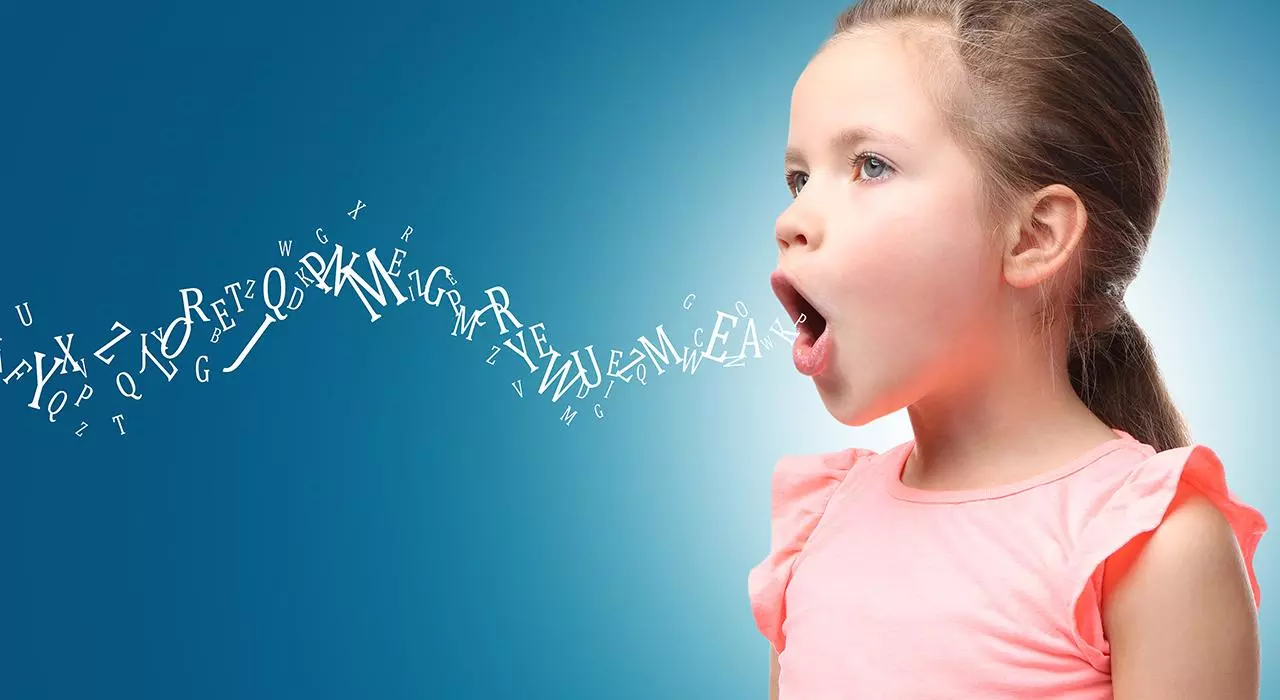
Esta Postgraduate diploma en Dyslalia and Dysphemia generará una sensación de seguridad en el desempeño de tu profesión, que te ayudará a crecer personal y profesionalmente”
Conocer cuáles son las necesidades educativas específicas que se derivan de los trastornos del habla, cómo identificarlos, cuál es su idiosincrasia en cuanto a signos o características observables y qué modelos de intervención tanto directa como indirecta son los más adecuados, son todos ellos aspectos clave para el proceso de reeducación logopédica. Aproximar los aportes de la neurociencia a la práctica diaria en las aulas y en los gabinetes, en relación a las últimas investigaciones sobre el cerebro y sobre la fisiología son una necesidad y una responsabilidad que han de asumir los diferentes agentes educativos, sobre todo los especialistas en logopedia, tanto clínica como escolar, siendo capaces de abordar la diversidad de situaciones y de logopatías que se presentan en los diferentes contextos educativos.
La logopedia es una disciplina sanitaria que se encarga del estudio, prevención, valoración e intervención sobre los trastornos del habla, lenguaje y comunicación, así como de otras patologías asociadas. El logopeda, en su labor cotidiana, necesita de recursos amplios y actualizados para rentabilizar su intervención y normalizar patrones comunicativos que interfieren en el aprendizaje y en el normodesarrollo. Este programa está diseñado por y para logopedas con amplios conocimientos y experiencia en sus respectivos campos, específicamente en la dimensión del habla.
El objetivo de este programa es que una vez finalizado seas capaz de desenvolverte en la identificación, evaluación e intervención de los diferentes trastornos que aquí se desarrollan. Para ello, explicamos de forma específica y exhaustiva los trastornos desde el punto de vista logopédico, con la colaboración en momentos puntuales de compañeros de otras disciplinas sanitarias.
Al alumno le servirá para adquirir los conocimientos y los recursos necesarios para identificar, evaluar e intervenir en los trastornos del habla que abordamos, desde el enfoque del equipo interdisciplinar y sabiendo como implicar a las familias en dichas intervenciones. Especial interés tiene el abordaje de la disfemia, uno de los retos más complicados para cualquier terapeuta del habla, por su nosología y evolución, con una incidencia amplia en infantil que podría llegar a un tercio de la población, pero que evoluciona favorablemente en la mayoría de los casos al ser fisiológica. Podemos hablar de una prevalencia del 1% en población ya adulta. El origen de la disfemia es variado y multicausal.
Actualiza tus conocimientos a través dla Postgraduate diploma en Dyslalia and Dysphemia”
Esta Postgraduate diploma en Dyslalia and Dysphemia contiene el programa científico más completo y actualizado del mercado. Las características más destacadas del curso son:
- El desarrollo de casos prácticos presentados por expertos. en Dyslalia and Dysphemia.
- Sus contenidos gráficos, esquemáticos y eminentemente prácticos con los que están concebidos, recogen una información científica y práctica sobre aquellas disciplinas indispensables para el ejercicio profesional.
- Las novedades sobre Dyslalia and Dysphemia.
- Los ejercicios prácticos donde realizar el proceso de autoevaluación para mejorar el aprendizaje.
- Su especial hincapié en metodologías innovadoras en Dyslalia and Dysphemia.
- Las lecciones teóricas, preguntas al experto, foros de discusión de temas controvertidos y trabajos de reflexión individual.
- La disponibilidad de acceso los contenidos desde cualquier dispositivo fijo o portátil con conexión a internet.
Esta Postgraduate diploma es la mejor inversión que puedes hacer en la selección de un programa de actualización por dos motivos: además de poner al día tus conocimientos en Dyslalia and Dysphemia, obtendrás un título de Postgraduate diploma por la mayor Universidad Digital del mundo, TECH”
Incluye en su cuadro docente a profesionales pertenecientes al ámbito de la logopedia, que vierten en esta formación la experiencia de su trabajo, además de reconocidos especialistas de sociedades de referencia y universidades de prestigio.
Su contenido multimedia, elaborado con la última tecnología educativa, permitirá al profesional un aprendizaje situado y contextual, es decir, un entorno simulado que proporcionará un estudio inmersivo programado para entrenarse ante situaciones reales.
El diseño de este programa se centra en el Aprendizaje Basado en Problemas, mediante el cual el profesional deberá tratar de resolver las distintas situaciones de práctica profesional que se le planteen a lo largo del curso. Para ello, el docente contará con la ayuda de un novedoso sistema de vídeo interactivo realizado por reconocidos expertos en el campo de las dislalias y disfemia y con gran experiencia.
Aumenta tu seguridad en la toma de decisiones actualizando tus conocimientos a través de esta Postgraduate diploma”
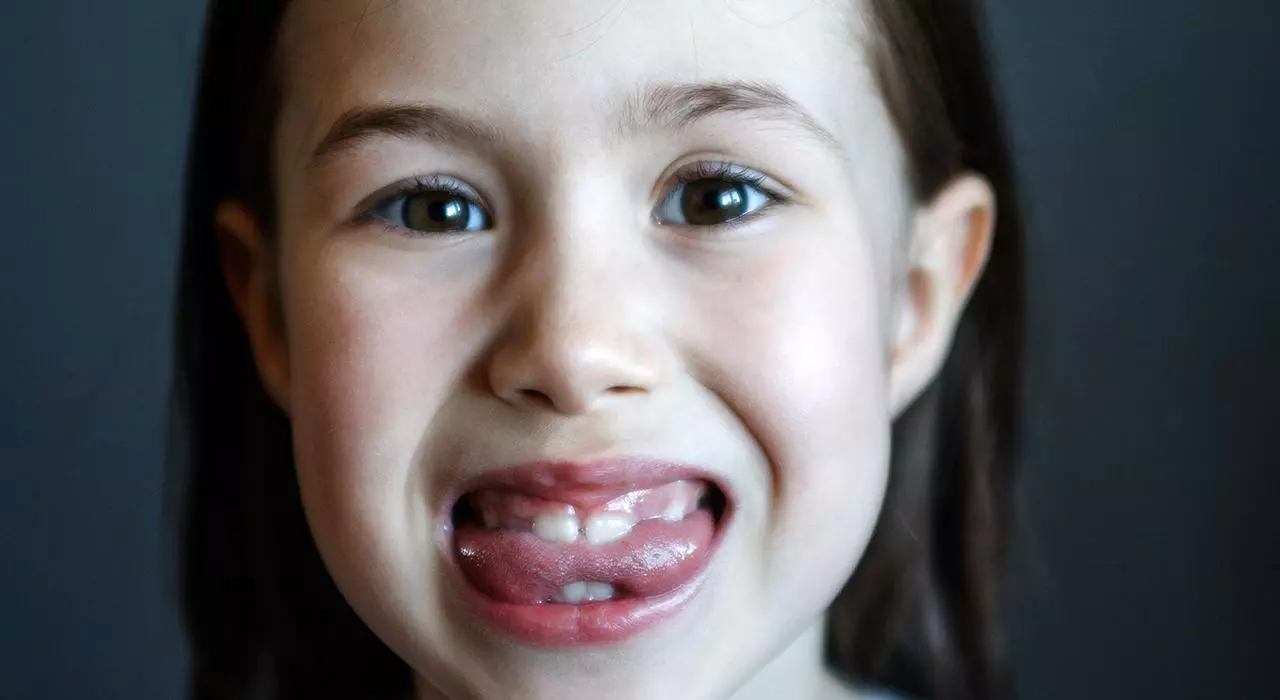
Aprovecha la oportunidad para conocer los últimos avances en Dyslalia and Dysphemia y mejorar la formación de tus alumnos”
Syllabus
The syllabus of this program has been designed based on the new therapeutic developments in Speech Therapy, focusing its content, specifically, in relation to the approach of children and adolescents with Dyslalia and Dysphemia. In addition to this program's theoretical material, students will find hours of detailed videos, research articles, complementary readings, use cases and self-knowledge exercises. This way, students will be able to go into the different sections in a personalized way, as well as contextualize all the information they need.

In the Virtual Campus you will find detailed videos, research articles, complementary readings and much more additional material to delve into the different sections of the syllabus in a personalized way"
Module 1. Basis of Speech and Language Therapy
1.1. Introduction to the Postgraduate Diploma and the Module
1.1.1. Introduction to the Postgraduate Diploma
1.1.2. Introduction to the Module
1.1.3. Previous Aspects of the Language
1.1.4. History of the Study of Language
1.1.5. Basic Theories of Language
1.1.6. Research in Language Acquisition
1.1.7. Neurological Bases of Language Development
1.1.8. Perceptual Bases in Language Development
1.1.9. Social and Cognitive Bases of Language
1.1.9.1. Introduction
1.1.9.2. The Importance of Imitation
1.1.10. Final Conclusions
1.2. What is Speech Therapy?
1.2.1. Speech Therapy
1.2.1.1. Concept of Speech Therapy
1.2.1.2. Concept of Speech Therapist
1.2.2. History of Speech Therapy
1.2.3. Speech Therapy in Spain
1.2.3.1. Importance of the Speech Therapy professional in Spain
1.2.3.2. Is the Speech Therapist valued in Spain?
1.2.4. Speech Therapy in the rest of the World
1.2.4.1. Importance of the Speech Therapy Professional in the rest of the World
1.2.4.2. What are Speech Therapists called in other countries?
1.2.4.3. Is the figure of the Speech Therapist valued in other Countries?
1.2.5. Functions of the Speech-Language Pathologist
1.2.5.1. Functions of the Speech Therapist according to the BOE
1.2.5.2. The Reality of Speech Therapy
1.2.6. Areas of Intervention of the Speech Therapist
1.2.6.1. Areas of Intervention According to the BOE
1.2.6.2. The Reality of the Speech-Language Pathologist's areas of intervention
1.2.7. Forensic Speech Therapy
1.2.7.1. Initial Considerations
1.2.7.2. Concept of Forensic Speech Therapist
1.2.7.3. The Importance of Forensic Speech Therapists
1.2.8. Hearing and Speech Teachers
1.2.8.1. Hearing and Speech Teacher Concept
1.2.8.2. Work Areas of Hearing and Speech Teachers
1.2.8.3. Differences between Speech-Language Pathologist and Hearing and Speech Teachers
1.2.9. Final Conclusions
1.3. Language, Speech, and Communication
1.3.1. Preliminary Considerations
1.3.2. Language, Speech, and Communication
1.3.2.1. Concept of Language
1.3.2.2. Concept of Speech
1.3.2.3. Concept of Communication
1.3.2.4. How do they differ?
1.3.3. Language Dimensions
1.3.3.1. Formal or Structural Dimension
1.3.3.2. Functional Dimension
1.3.3.3. Behavioral Dimension
1.3.4. Theories that explain Language Development
1.3.4.1. Preliminary Considerations
1.3.4.2. Theory of Determinism: Whorf
1.3.4.3. Theory of Behaviorism: Skinner
1.3.4.4. Theory of Innatism: Chomsky
1.3.4.5. Interactionist positions
1.3.5. Cognitive Theories Explaining Language Development
1.3.5.1. Piaget
1.3.5.2. Vigotsky
1.3.5.3. Luria
1.3.5.4. Bruner
1.3.6. Influence of the Environment on Language Acquisition
1.3.7. Language Components
1.3.7.1. Phonetics and Phonology
1.3.7.2. Semantics and Lexicon
1.3.7.3. Morphosyntax
1.3.7.4. Pragmatics
1.3.8. Stages of Language Development
1.3.8.1. Prelinguistic Stage
1.3.8.2. Linguistic Stage
1.3.9. Summary Table of Normative Language Development
1.3.10. Final Conclusions
1.4. Communication, speech, and language disorders
1.4.1. Introduction to Unit
1.4.2. Communication, speech, and language disorders
1.4.2.1. Concept of Communication Disorder
1.4.2.2. Concept of Speech Disorder
1.4.2.3. Concept of Language Disorder
1.4.2.4. How do they differ?
1.4.3. Communication Disorders
1.4.3.1. Preliminary Considerations
1.4.3.2. Comorbidity with other Disorders
1.4.3.3. Types of Communication Disorders
1.4.3.3.1. Social Communication Disorder
1.4.3.3.2. Unspecified Communication Disorder
1.4.4. Speech Disorders
1.4.4.1. Preliminary Considerations
1.4.4.2. Origin of Speech Disorders
1.4.4.3. Symptoms of a Speech Disorder
1.4.4.3.1. Mild delay
1.4.4.3.2. Moderate delay
1.4.4.3.3. Severe delay
1.4.4.4. Warning signs in Speech Disorders
1.4.5. Classification of Speech Disorders
1.4.5.1. Phonological Disorder or Dyslalia
1.4.5.2. Dysphemia
1.4.5.3. Dysglossia
1.4.5.4. Dysarthria
1.4.5.5. Tachyphemia
1.4.5.6. Others
1.4.6. Language Disorders
1.4.6.1. Preliminary Considerations
1.4.6.2. Origin of Language Disorders
1.4.6.3. Conditions related to Language Disorders
1.4.6.4. Warning signs in Language Development
1.4.7. Types of Language Disorders
1.4.7.1. Receptive Language Difficulties
1.4.7.2. Expressive Language Difficulties
1.4.7.3. Receptive-Expressive Language Difficulties
1.4.8. Classification of Language Disorders
1.4.8.1. From the Clinical Approach
1.4.8.2. From the Educational Approach
1.4.8.3. From the Psycholinguistic Approach
1.4.8.4. From the Axiological point of view
1.4.9. What skills are affected in a Language Disorder?
1.4.9.1. Social Skills
1.4.9.2. Academic Problems
1.4.9.3. Other affected skills
1.4.10. Types of Language Disorders
1.4.10.1. TEL
1.4.10.2. Aphasia
1.4.10.3. Dyslexia
1.4.10.4. Attention Deficit Hyperactivity Disorder (ADHD)
1.4.10.5. Others
1.4.11. Comparative Table of Typical Development and Developmental Disturbances
1.5. Logopedic Evaluation Instruments
1.5.1. Introduction to Unit
1.5.2. Aspects to be Highlighted during the Logopedic Evaluation
1.5.2.1. Fundamental considerations
1.5.3. Evaluation of Orofacial Motor Skills: The Stomatognathic System
1.5.4. Areas of Speech-Language, Speech, and Communication Speech-Language Assessment:
1.5.4.1. Anamnesis (family interview)
1.5.4.2. Evaluation of the Preverbal Stage
1.5.4.3. Assessment of Phonetics and Phonology
1.5.4.4. Assessment of Morphology
1.5.4.5. Syntax Evaluation
1.5.4.6. Evaluation of Semantics
1.5.4.7. Evaluation of Pragmatics
1.5.5. General Classification of the Most Commonly Used Tests in Speech Assessment
1.5.5.1. Developmental Scales: Introduction
1.5.5.2. Oral Language Assessment Tests: Introduction
1.5.5.3. Test for the Assessment of Reading and Writing: Introduction
1.5.6. Developmental Scales
1.5.6.1. Brunet-Lézine Developmental Scale
1.5.6.2. Battelle Developmental Inventory
1.5.6.3. Portage Guide
1.5.6.4. Haizea-Llevant
1.5.6.5. Bayley Scale of Child Development
1.5.6.6. McCarthy Scale (Scale of Aptitudes and Psychomotor Skills for Children)
1.5.7. Oral Language Assessment Test
1.5.7.1. BLOC
1.5.7.2. Monfort Induced Phonological Register
1.5.7.3. ITPA
1.5.7.4. PLON-R
1.5.7.5. PEABODY
1.5.7.6. RFI
1.5.7.7. ALS-R
1.5.7.8. EDAF
1.5.7.9. CELF 4
1.5.7.10. BOEHM
1.5.7.11. TSA
1.5.7.12. CEG
1.5.7.13. ELCE
1.5.8. Test for Reading and Writing Assessment
1.5.8.1. PROLEC-R
1.5.8.2. PROLEC-SE
1.5.8.3. PROESC
1.5.8.4. TALE
1.5.9. Summary Table of the Different Tests
1.5.10. Final Conclusions
1.6. Components That Must be Included in a Speech-Language Pathology Report
1.6.1. Introduction to Unit
1.6.2. The Reason for the Appraisal
1.6.2.1. Request or Referral by the Family
1.6.2.2. Request or Referral by School or External Center
1.6.3. Medical History
1.6.3.1. Anamnesis with the Family
1.6.3.2. Meeting with the Educational Center
1.6.3.3. Meeting with Other Professionals
1.6.4. The Patient's Medical and Academic History
1.6.4.1. Medical History
1.6.4.1.1. Evolutionary Development
1.6.4.2. Academic History
1.6.5. Situation of the Different Contexts
1.6.5.1. Situation of the Family Context
1.6.5.2. Situation of the Social Context
1.6.5.3. Situation of the School Context
1.6.6. Professional Assessments
1.6.6.1. Assessment by the Speech Therapist
1.6.6.2. Assessments by other Professionals
1.6.6.2.1. Assessment by the Occupational Therapist
1.6.6.2.2. Teacher Assessment
1.6.6.2.3. Psychologist's Assessment
1.6.6.2.4. Other Assessments
1.6.7. Results of the Assessments
1.6.7.1. Logopedic Evaluation Results
1.6.7.2. Results of the other Evaluations
1.6.8. Clinical Judgment and/or Conclusions
1.6.8.1. Speech-Language Pathologist’s Judgment
1.6.8.2. Judgment of Other Professionals
1.6.8.3. Judgment in Common with the Other Professionals
1.6.9. Speech Therapy Intervention Plan
1.6.9.1. Objectives to Intervene
1.6.9.2. Intervention Program
1.6.9.3. Guidelines and/or Recommendations for the Family
1.6.10. Why is it so Important to Carry Out a Speech Therapy Report?
1.6.10.1. Preliminary Considerations
1.6.10.2. Areas where a Speech Therapy Report can be Key
1.7. Speech Therapy Intervention Program
1.7.1. Introduction
1.7.1.1. The need to elaborate a Speech Therapy Intervention Program
1.7.2. What is a Speech Therapy Intervention Program?
1.7.2.1. Concept of the Intervention Program
1.7.2.2. Intervention Program Fundamentals
1.7.2.3. Speech Therapy Intervention Program Considerations
1.7.3. Fundamental Aspects for the Elaboration of a Speech Therapy Intervention Program
1.7.3.1. Characteristics of the Child
1.7.4. Planning of the Speech Therapy Intervention
1.7.4.1. Methodology of Intervention to be Carried Out
1.7.4.2. Factors to Take Into Account in the Planning of the Intervention
1.7.4.2.1. Extracurricular Activities
1.7.4.2.2. Chronological and Corrected Age of the Child
1.7.4.2.3. Number of Sessions per Week
1.7.4.2.4. Collaboration on the Part of the Family
1.7.4.2.5. Economic Situation of the Family
1.7.5. Objectives of the Speech Therapy Intervention Program
1.7.5.1. General Objectives of the Speech Therapy Intervention Program
1.7.5.2. Specific Objectives of the Speech Therapy Intervention Program
1.7.6. Areas of Speech Therapy Intervention and Techniques for its Intervention
1.7.6.1. Voice
1.7.6.2. Speech
1.7.6.3. Prosody
1.7.6.4. Language
1.7.6.5. Reading
1.7.6.6. Writing
1.7.6.7. Orofacial
1.7.6.8. Communication
1.7.6.9. Hearing
1.7.6.10. Breathing
1.7.7. Materials and Resources for Speech Therapy Intervention
1.7.7.1. Proposition of Materials of Own Manufacture and Indispensable in a Speech Therapy Room
1.7.7.2. Proposition of Indispensable Materials on the Market for a Speech Therapy Room
1.7.7.3. Indispensable Technological Resources for Speech Therapy Intervention
1.7.8. Methods of Speech Therapy Intervention
1.7.8.1. Introduction
1.7.8.2. Types of Intervention Methods
1.7.8.2.1. Phonological Methods
1.7.8.2.2. Clinical Intervention Methods
1.7.8.2.3. Semantic Methods
1.7.8.2.4. Behavioral-Logopedic Methods
1.7.8.2.5. Pragmatic Methods
1.7.8.2.6. Medical Methods
1.7.8.2.7. Others
1.7.8.3. Choice of the Most Appropriate Method of Intervention for Each Subject
1.7.9. The Interdisciplinary Team
1.7.9.1. Introduction
1.7.9.2. Professionals Who Collaborate Directly with the Speech Therapist
1.7.9.2.1. for Psychologists
1.7.9.2.2. Occupational Therapists
1.7.9.2.3. Professors
1.7.9.2.4. Hearing and Speech Teachers
1.7.9.2.5. Others
1.7.9.3. The Work of these Professionals in Speech-Language Pathology Intervention
1.7.10. Final Conclusions
1.8. Augmentative and Alternative Communication Systems (AACS)
1.8.1. Introduction to Unit
1.8.2. What are AACS?
1.8.2.1. Augmentative Communication System Concept
1.8.2.2. Alternative Communication System Concept
1.8.2.3. Similarities and Differences
1.8.2.4. Advantages of AACS
1.8.2.5. Disadvantages: of AACS
1.8.2.6. How do AACS arise?
1.8.3. Principles: of AACS
1.8.3.1. General Principles
1.8.3.2. False myths about AACS
1.8.4. How to Know the Most Suitable AACS
1.8.5. Communication Support Products
1.8.5.1. Basic Support Products
1.8.5.2. Technological Support Products
1.8.6. Strategies and Support Products for Access
1.8.6.1. Direct Selection
1.8.6.2. Mouse Selection
1.8.6.3. Dependent Scanning or Sweeping
1.8.6.4. Coded Selection
1.8.7. Types of AACS
1.8.7.1. Sign Language
1.8.7.2. The Complemented Word
1.8.7.3. PECs
1.8.7.4. Bimodal Communication
1.8.7.5. Bliss System
1.8.7.6. Communicators
1.8.7.7. Minspeak
1.8.7.8. Schaeffer System
1.8.8. How to Promote the Success of the AACS Intervention?
1.8.9. Technical Aids Adapted to Each Person
1.8.9.1. Communicators
1.8.9.2. Pushbuttons
1.8.9.3. Virtual Keypads
1.8.9.4. Adapted Mice
1.8.9.5. Data Input Devices
1.8.10. AACS Resources and Technologies
1.8.10.1. AraBoard Builder
1.8.10.2. Talk up!
1.8.10.3. #IamVisual
1.8.10.4. SPQR
1.8.10.5. Dictapicto
1.8.10.6. AraWord
1.8.10.7. PictoSelector
1.9. The family as Part of the Intervention and Support for the Child
1.9.1. Introduction
1.9.1.1. The Importance of the Family in the Correct Development of the child
1.9.2. Consequences in the Family Context of a Child with Atypical Development
1.9.2.1. Difficulties Present in the Immediate Environment
1.9.3. Communication Problems in the Immediate Environment
1.9.3.1. Communicative Barriers Encountered by the Subject at Home
1.9.4. Speech Therapy intervention aimed at the Family-Centered Intervention Model
1.9.4.1. Concept of Family Centered Intervention
1.9.4.2. How to carry out the Family Centered Intervention?
1.9.4.3. The importance of the Family-Centered Model
1.9.5. Integration of the family in the Speech-Language Pathology Intervention
1.9.5.1. How to integrate the family in the Intervention?
1.9.5.2. Guidelines for the Professional
1.9.6. Advantages of family integration in all contexts of the subject
1.9.6.1. Advantages of coordination with Educational Professionals
1.9.6.2. Advantages of coordination with Health Professionals
1.9.7. Recommendations for the Family Environment
1.9.7.1. Recommendations to Facilitate Oral Communication
1.9.7.2. Recommendations for a Good Relationship in the Family Environment
1.9.8. The Family as a Key Part in the Generalization of the Established Objectives
1.9.8.1. The Importance of the Family in Generalization
1.9.8.2. Recommendations to facilitate Generalization
1.9.9. How do I communicate with my child?
1.9.9.1. Modifications in the child’s family environment
1.9.9.2. Advice and Recommendations from the child
1.9.9.3. The Importance of keeping a Record Sheet
1.9.10. Final Conclusions
1.10. Child Development in the School context
1.10.1. Introduction to Unit
1.10.2. The Involvement of the School center during the Speech Therapy Intervention
1.10.2.1. The Influence of the School Center in the child’s development
1.10.2.2. The Importance of the Center in the Speech Therapy Intervention
1.10.3. School Supports
1.10.3.1. Concept of School Support
1.10.3.2. Who Provides School Support in the Center?
1.10.3.2.1. Hearing and Speech Teacher
1.10.3.2.2. Therapeutic Pedagogy Teacher (PT)
1.10.3.2.3. Counselor
1.10.4. Coordination with the Professionals of the Educational Center
1.10.4.1. Educational Professionals with whom the Speech-Language Pathologist coordinates with
1.10.4.2. Basis for Coordination
1.10.4.3. The Importance of Coordination in the child's Development
1.10.5. Consequences of the Child with Special Educational Needs in the classroom
1.10.5.1. How the Child Communicates with Teachers and Students?
1.10.5.2. Psychological Consequences
1.10.6. School Needs of the child
1.10.6.1. Taking Educational Needs into account in Intervention
1.10.6.2. Who determines the child’s Educational Needs?
1.10.6.3. How are they established?
1.10.7. The Different Types of Education in Spain
1.10.7.1. Normal School
1.10.7.1.1. Concept
1.10.7.1.2. How does it benefit the child with Special Educational Needs?
1.10.7.2. Special Education School
1.10.7.2.1. Concept
1.10.7.2.2. How does it benefit the child with Special Educational Needs?
1.10.7.3. Combined Education
1.10.7.3.1. Concept
1.10.7.3.2. How does it benefit the child with Special Educational Needs?
1.10.8. Methodological bases for Classroom Intervention
1.10.8.1. Strategies to favor the child’s Integration
1.10.9. Curricular Adaptation
1.10.9.1. Concept of Curricular Adaptation
1.10.9.2. Professionals who Apply it
1.10.9.3. How Does it Benefit Children with Special Educational Needs
1.10.10. Final Conclusions
Module 2. Dyslalias: Assessment, Diagnosis, and Intervention
2.1. Module Presentation
2.1.1. Introduction
2.2. Introduction to Dyslalia
2.2.1. What are Phonetics and Phonology?
2.2.1.1. Basic Concepts
2.2.1.2. Phonemes
2.2.2. Classification of Phonemes
2.2.2.1. Preliminary Considerations
2.2.2.2. According to the point of Articulation
2.2.2.3. According to the mode of Articulation
2.2.3. Speech Emission
2.2.3.1. Aspects of Sound Emission
2.2.3.2. Mechanisms Involved in Speech
2.2.4. Phonological Development
2.2.4.1. The Implication of Phonological Awareness
2.2.5. Organs Involved in Phoneme Articulation
2.2.5.1. Breathing Organs
2.2.5.2. Organs of Articulation
2.2.5.3. Organs of Phonation
2.2.6. Dyslalias
2.2.6.1. Etymology of the Term
2.2.6.2. Concept of Dyslalia
2.2.7. Adult Dyslalia
2.2.7.1. Preliminary Considerations
2.2.7.2. Characteristics of adult Dyslalia
2.2.7.3. What is the difference between childhood Dyslalia and adult Dyslalia?
2.2.8. Comorbidity
2.2.8.1. Comorbidity in Dyslalia
2.2.8.2. Associated Disorders
2.2.9. Prevalence
2.2.9.1. Preliminary Considerations
2.2.9.2. The Prevalence of Dyslalia in the PreSchool Population
2.2.9.3. The Prevalence of Dyslalia in the School Population
2.2.10. Final Conclusions
2.3. Etiology and Classification of Dyslalias
2.3.1. Etiology of Dyslalias
2.3.1.1. Preliminary Considerations
2.3.1.2. Poor Motor Skills
2.3.1.3. Respiratory Difficulties
2.3.1.4. Lack of Comprehension or Auditory Discrimination
2.3.1.5. Psychological Factors
2.3.1.6. Environmental Factors
2.3.1.7. Hereditary Factors
2.3.1.8. Intellectual Factors
2.3.2. Classification of Dyslalias according to Etiological Criteria
2.3.2.1. Organic Dyslalias
2.3.2.2. Functional Dyslalias
2.3.2.3. Developmental Dyslalias
2.3.2.4. Audiogenic Dyslalias
2.3.3. The classification of Dyslalias according to Chronological Criteria
2.3.3.1. Preliminary Considerations
2.3.3.2. Speech Delay
2.3.3.3. Dyslalia
2.3.4. Classification of Dyslalia according to the Phonological Process involved
2.3.4.1. Simplification
2.3.4.2. Assimilation
2.3.4.3. Syllable Structure
2.3.5. Classification of Dyslalia based on Linguistic Level
2.3.5.1. Phonetic Dyslalia
2.3.5.2. Phonological Dyslalia
2.3.5.3. Mixed Dyslalia
2.3.6. Classification of Dyslalia according to the Phoneme involved
2.3.6.1. Hotentotism
2.3.6.2. Altered Phonemes
2.3.7. Classification of Dyslalia according to the number of errors and their persistence
2.3.7.1. Simple Dyslalia
2.3.7.2. Multiple Dyslalias
2.3.7.3. Speech Delay
2.3.8. The Classification of Dyslalias according to the type of error
2.3.8.1. Omission
2.3.8.2. Addiction/Insertion
2.3.8.3. Substitution
2.3.8.4. Inversions
2.3.8.5. Distortion
2.3.8.6. Assimilation
2.3.9. Classification of Dyslalia in terms of Temporality
2.3.9.1. Permanent Dyslalias
2.3.9.2. Transient Dyslalias
2.3.10. Final Conclusions
2.4. Assessment Processes for the Diagnosis and Detection of Dyslalia
2.4.1. Introduction to the Structure of the Assessment Process
2.4.2. Medical History
2.4.2.1. Preliminary Considerations
2.4.2.2. Content of the Anamnesis
2.4.2.3. Aspects to emphasize of the Anamnesis
2.4.3. Articulation
2.4.3.1. In Spontaneous Language
2.4.3.2. In Repeated Speech
2.4.3.3. In Directed Language
2.4.4. Motor Skills
2.4.4.1. Key Elements
2.4.4.2. Orofacial Motor Skills
2.4.4.3. Muscle Tone
2.4.5. Auditory Perception and Discrimination
2.4.5.1. Sound Discrimination
2.4.5.2. Phoneme Discrimination
2.4.5.3. Word Discrimination
2.4.6. Speech Samples
2.4.6.1. Preliminary Considerations
2.4.6.2. How to Collect a Speech Sample?
2.4.6.3. How to make a record of the Speech Samples?
2.4.7. Standardized tests for the Diagnosis of Dyslalia
2.4.7.1. What are Standardized Tests?
2.4.7.2. Purpose of Standardized Tests
2.4.7.3. Classification
2.4.8. Non-Standardized Tests for the Diagnosis of Dyslalias
2.4.8.1. What are Non-Standardized Tests?
2.4.8.2. Purpose of Non-Standardized Tests
2.4.8.3. Classification
2.4.9. Differential Diagnosis of Dyslalia
2.4.10. Final Conclusions
2.5. User-centered Speech-Language Pathology Intervention
2.5.1. Introduction to Unit
2.5.2. How to set Goals during the Intervention?
2.5.2.1. General Considerations
2.5.2.2. Individualized or Group Intervention, which is more effective?
2.5.2.3. Specific objectives that the Speech-Language Pathologist has to take into account for the Intervention of each Dyslalia
2.5.3. Structure to be followed during Dyslalia Intervention
2.5.3.1. Initial Considerations
2.5.3.2. What is the order of Intervention for Dyslalia?
2.5.3.3. In Multiple Dyslalia, which Phoneme would the Speech-Language Pathologist start working on and what would be the reason?
2.5.4. Direct intervention in children with Dyslalia
2.5.4.1. Concept of Direct Intervention
2.5.4.2. Who is the Focus of this Intervention?
2.5.4.3. The importance of Direct Intervention for Dyslexic Children
2.5.5. Indirect Intervention for children with Dyslalia
2.5.5.1. Concept of Indirect Intervention
2.5.5.2. Who is the Focus of this Intervention?
2.5.5.3. The importance of carrying out Indirect Intervention in Dyslexic Children
2.5.6. The importance of play during Rehabilitation
2.5.6.1. Preliminary Considerations
2.5.6.2. How to Use Games for Rehabilitation
2.5.6.3. Adaptation of games to children, necessary or not?
2.5.7. Auditory Discrimination
2.5.7.1. Preliminary Considerations
2.5.7.2. Concept of Auditory Discrimination
2.5.7.3. When is the right time during the Intervention to include Auditory Discrimination?
2.5.8. Making a Schedule
2.5.8.1. What is a Schedule?
2.5.8.2. Why should a Schedule be used in the Speech Therapy Intervention of the Dyslexic Child?
2.5.8.3. Benefits of making a Schedule
2.5.9. Requirements to Justify Discharge
2.5.10. Final Conclusions
2.6. The Family as a part of the Intervention of the Dysbalic Child
2.6.1. Introduction to Unit
2.6.2. Communication Problems with the Family Environment
2.6.2.1. What Difficulties does the Dyslexic Child Encounter in their Family Environment to Communicate?
2.6.3. Consequences of Dyslalias in the family
2.6.3.1. How do Dyslalias influence the child in their home?
2.6.3.2. How do Dyslalias influence the child's family?
2.6.4. Family Involvement in the development of the Dyslalic child
2.6.4.1. The Importance of the family in the child’s Development
2.6.4.2. How to Involve the Family in the Intervention?
2.6.5. Recommendations for the Family Environment
2.6.5.1. How to Communicate with the Dyslexic child?
2.6.5.2. Tips to Benefit the Relationship in the Home
2.6.6. Benefits of Involving the Family in the Intervention
2.6.6.1. The Fundamental Role of the Family in Generalization
2.6.6.2. Tips for Helping the Family Achieve Generalization
2.6.7. The Family as the Center of the Intervention
2.6.7.1. Supports That Can be Provided to the Family
2.6.7.2. How to Facilitate These Aids During Intervention?
2.6.8. Family Support to the Dyslalic child
2.6.8.1. Preliminary Considerations
2.6.8.2. Teaching Families How to Reinforce Dyslexic Children
2.6.9. Resources Available to Families
2.6.10. Final Conclusions
2.7. The School Context as Part of the Dyslalic child's Intervention
2.7.1. Introduction to Unit
2.7.2. The involvement of the School during the Intervention Period
2.7.2.1. The Importance of the Involvement of the School
2.7.2.2. The Influence of the School on Speech Development
2.7.3. The Impact of Dyslalias in the School context
2.7.3.1. How can Dyslalias influence the curriculum?
2.7.4. School Supports
2.7.4.1. Who provides them?
2.7.4.2. How are they carried out?
2.7.5. The coordination of the Speech Therapist with the School Professionals
2.7.5.1. With whom does the Coordination take place?
2.7.5.2. Guidelines to be followed to achieve such Coordination
2.7.6. Consequences in class of the Dyslalic child
2.7.6.1. Communication with Classmates
2.7.6.2. Communication with Teachers
2.7.6.3. Psychological Repercussions of the Child
2.7.7. Orientations
2.7.7.1. Guidelines for the School, to Improve the Child’s Intervention
2.7.8. The School as an Enabling Environment
2.7.8.1. Preliminary Considerations
2.7.8.2. Classroom Care Guidelines
2.7.8.3. Guidelines for improving Classroom Articulation
2.7.9. Resources Available to the School
2.7.10. Final Conclusions
2.8. Bucco-phonatory Praxis
2.8.1. Introduction to Unit
2.8.2. The Praxis
2.8.2.1. Concept of Praxis
2.8.2.2. Types of Praxis
2.8.2.2.1. Ideomotor Praxis
2.8.2.2.2. Ideational Praxis
2.8.2.2.3. Facial Praxis
2.8.2.2.4. Visoconstructive Praxis
2.8.2.3. Classification of Praxis according to Intention (Junyent Fabregat, 1989)
2.8.2.3.1. Transitive Intention
2.8.2.3.2. Esthetic Purpose
2.8.2.3.3. With Symbolic Character
2.8.3. Frequency of the Performance of Orofacial Praxis
2.8.4. What Praxis are used in the Speech Therapy Intervention of Dyslalia?
2.8.4.1. Labial Praxis
2.8.4.2. Lingual Praxis
2.8.4.3. Velum of Palate Praxis
2.8.4.4. Other Praxis
2.8.5. Aspects that the Child must have, to be able to Perform the Praxis
2.8.6. Activities for the Realization of the Different Facial Praxis
2.8.6.1. Exercises for the Labial Praxis
2.8.6.2. Exercises for the Lingual Praxis
2.8.6.3. Exercises for Soft Palate Praxis
2.8.6.4. Other Exercises
2.8.7. Current Controversy over the use of Orofacial Praxis
2.8.8. Theories in favor of the use of Praxis in the Intervention of the Dyslexic Child
2.8.8.1. Preliminary Considerations
2.8.8.2. Scientific Evidence
2.8.8.3. Comparative Studies
2.8.9. Theories against the realization of Praxis in the intervention of the Dyslexic Child
2.8.9.1. Preliminary Considerations
2.8.9.2. Scientific Evidence
2.8.9.3. Comparative Studies
2.8.10. Final Conclusions
2.9. Materials and Resources for the Speech Therapy Intervention of Dyslalia: Part I
2.9.1. Introduction to Unit
2.9.2. Materials and Resources for the correction of the Phoneme /p/ in all positions
2.9.2.1. Self-made Material
2.9.2.2. Commercially Available Material
2.9.2.3. Technological Resources
2.9.3. Materials and Resources for the Correction of the Phoneme /s/ , in All Positions
2.9.3.1. Self-made Material
2.9.3.2. Commercially Available Material
2.9.3.3. Technological Resources
2.9.4. Materials and Resources for the Correction of the Phoneme /r/ , in All Positions
2.9.4.1. Self-made Material
2.9.4.2. Commercially Available Material
2.9.4.3. Technological Resources
2.9.5. Materials and Resources for the Correction of the Phoneme / l/ , in All Positions
2.9.5.1. Self-made Material
2.9.5.2. Commercially Available Material
2.9.5.3. Technological Resources
2.9.6. Materials and Resources for the Correction of the Phoneme / M/ , in All Positions
2.9.6.1. Self-made Material
2.9.6.2. Commercially Available Material
2.9.6.3. Technological Resources
2.9.7. Materials and Resources for the Correction of the Phoneme / N/ , in All Positions
2.9.7.1. Self-made Material
2.9.7.2. Commercially Available Material
2.9.7.3. Technological Resources
2.9.8. Materials and Resources for the Correction of the Phoneme / D/ , in All Positions
2.9.8.1. Self-made Material
2.9.8.2. Commercially Available Material
2.9.8.3. Technological Resources
2.9.9. Materials and Resources for the Correction of the Phoneme / Z/ , in all Positions
2.9.9.1. Self-made Material
2.9.9.2. Commercially Available Material
2.9.9.3. Technological Resources
2.9.10. Materials and Resources for the Correction of the Phoneme /k/ , in All Positions
2.9.10.1. Self-made Material
2.9.10.2. Commercially Available Material
2.9.10.3. Technological Resources
2.10. Materials and Resources for the Speech Therapy Intervention of Dyslalia: Part II
2.10.1. Materials and Resources for the Correction of the Phoneme / f/ , in All Positions
2.10.1.1. Self-made Material
2.10.1.2. Commercially Available Material
2.10.1.3. Technological Resources
2.10.2. Materials and Resources for the Correction of the Phoneme / ñ/ , in All Positions
2.10.2.1. Self-made Material
2.10.2.2. Commercially Available Material
2.10.2.3. Technological Resources
2.10.3. Materials and Resources for the Correction of the Phoneme / G/ , in All Positions
2.10.3.1. Self-made Material
2.10.3.2. Commercially Available Material
2.10.3.3. Technological Resources
2.10.4. Materials and Resources for the Correction of the Phoneme / ll/ , in All Positions
2.10.4.1. Self-made Material
2.10.4.2. Commercially Available Material
2.10.4.3. Technological Resources
2.10.5. Materials and Resources for the Correction of the Phoneme /b/ , in All Positions
2.10.5.1. Self-made Material
2.10.5.2. Commercially Available Material
2.10.5.3. Technological Resources
2.10.6. Materials and Resources for the Correction of the Phoneme /T/ , in All Positions
2.10.6.1. Self-made Material
2.10.6.2. Commercially Available Material
2.10.6.3. Technological Resources
2.10.7. Materials and Resources for the Correction of the Phoneme /ch/ , in All Positions
2.10.7.1. Self-made Material
2.10.7.2. Commercially Available Material
2.10.7.3. Technological Resources
2.10.8. Materials and Resources for the Correction of the Phoneme / l/ , in All Positions
2.10.8.1. Self-made Material
2.10.8.2. Commercially Available Material
2.10.8.3. Technological Resources
2.10.9. Materials and Resources for the Correction of the Phoneme / r/ , in All Positions
2.10.9.1. Self-made Material
2.10.9.2. Commercially Available Material
2.10.9.3. Technological Resources
2.10.10. Final Conclusions
Module 3. Dysphemia and/or stuttering: Assessment, Diagnosis, and Intervention
3.1. Introduction to the Module
3.1.1. Module Presentation
3.2. Dysphemia or Stuttering
3.2.1. History of Stuttering
3.2.2. Stuttering
3.2.2.1. Concept of Stuttering
3.2.2.2. Symptomatology of Stuttering
3.2.2.2.1. Linguistic Manifestations
3.2.2.2.2. Behavioral Manifestations
3.2.2.3. Bodily Manifestations
3.2.2.2.3.1. Characteristics of Stuttering
3.2.3. Classification
3.2.3.1. Tonic Stuttering
3.2.3.2. Clonic Stuttering
3.2.3.3. Mixed Stuttering
3.2.4. Other Specific Disorders of Fluency of Verbal Expression
3.2.5. Development of the Disorder
3.2.5.1. Preliminary Considerations
3.2.5.2. Levels of Development and Severity
3.2.5.2.1. Initial Phase
3.2.5.2.2. Borderline Stuttering
3.2.5.2.3. Initial Stuttering
3.2.5.2.4. Intermediate Stuttering
3.2.5.2.5. Advanced Stuttering
3.2.6. Comorbidity
3.2.6.1. Comorbidity in Dysphemia
3.2.6.2. Associated Disorders
3.2.7. Prognosis of Recovery
3.2.7.1. Preliminary Considerations
3.2.7.2. Key Factors
3.2.7.3. Prognosis according to the moment of Intervention
3.2.8. The incidence and prevalence of Stuttering
3.2.8.1. Preliminary Considerations
3.2.8.2. Incidence in Spain at School Age
3.2.8.3. Prevalence in Spain at School Age
3.2.9. Etiology of Stuttering
3.2.9.1. Preliminary Considerations
3.2.9.2. Physiological Factors
3.2.9.3. Genetic Factors
3.2.9.4. Environmental Factors
3.2.9.5. Psychosocial Factors
3.2.9.6. Linguistic Factors
3.2.10. Warning Signs
3.2.10.1. Preliminary Considerations
3.2.10.2. When to Evaluate?
3.2.10.3. Is it possible to prevent the Disorder?
3.3. Evaluation of Dysphemia
3.3.1. Introduction to Unit
3.3.2. Dysphemia or normal Disfluencies?
3.3.2.1. Initial Considerations
3.3.2.2. What are normal Disfluencies?
3.3.2.3. Differences between Dysphemia and normal Disfluencies
3.3.2.4. When to act?
3.3.3. Objective of the Evaluation
3.3.4. Evaluation Method
3.3.4.1. Preliminary Considerations
3.3.4.2. Outline of the Evaluation Method
3.3.5. Collection of Information
3.3.5.1. Interview with Parents
3.3.5.2. Gathering Relevant Information
3.3.5.3. Medical History
3.3.6. Collecting Additional Information
3.3.6.1. Questionnaires for Parents
3.3.6.2. Questionnaires for Teachers
3.3.7. Evaluation of the Child
3.3.7.1. Observation of the Child
3.3.7.2. Questionnaire for the Child
3.3.7.3. Parent-Child Interaction Profile
3.3.8. Diagnosis
3.3.8.1. Clinical Judgment of the Information Collected
3.3.8.2. Prognosis
3.3.8.3. Types of Treatment
3.3.8.4. Treatment Objectives
3.3.9. Return
3.3.9.1. Return of Information to Parents
3.3.9.2. Informing the Child of the Results
3.3.9.3. Explain Treatment to the Child
3.3.10. Diagnostic Criteria
3.3.10.1. Preliminary Considerations
3.3.10.2. Factors that May Affect the Fluency of Speech
3.3.10.2.1. Communication
3.3.10.2.2. Difficulties in Language Development
3.3.10.2.3. Interpersonal Interactions
3.3.10.2.4. Changes
3.3.10.2.5. Excessive Demands
3.3.10.2.6. Self-esteem
3.3.10.2.7. Social Resources
3.4. User-centered Speech Therapy Intervention in Dysphemia: Direct Treatment
3.4.1. Introduction to Unit
3.4.2. Direct Treatment
3.4.2.1. Treatment Characteristics
3.4.2.2. Therapist Skills
3.4.3. Therapy Goals
3.4.3.1. Goals with the Child
3.4.3.2. Objectives with the Parents
3.4.3.3. Objectives with the Teacher
3.4.4. Goals for Children: Speech Control
3.4.4.1. Objectives
3.4.4.2. Techniques for Speech Control
3.4.5. Goals for Children: Anxiety Control
3.4.5.1. Objectives
3.4.5.2. Techniques for Anxiety Control
3.4.6. Goals for Children: Thought Control
3.4.6.1. Objectives
3.4.6.2. Techniques for Thoughts Control
3.4.7. Goals for Children: Emotional Control
3.4.7.1. Objectives
3.4.7.2. Techniques for Emotion Control
3.4.8. Goals for Children: Social and Communication Skills
3.4.8.1. Objectives
3.4.8.2. Techniques for the Promotion of Social and Communication Skills
3.4.9. Generalization and Maintenance
3.4.9.1. Objectives
3.4.9.2. Generalization and Maintenance Techniques
3.4.10. Recommendations for User Discharge
3.5. Speech Therapy Intervention in User-centered Dysphemia: Lidcombe Early Intervention Program
3.5.1. Introduction to Unit
3.5.2. Program Development
3.5.2.1. Who Developed It?
3.5.2.2. Where Was it Developed?
3.5.3. Is it Really Effective?
3.5.4. Fundamentals of the Lindcombe Program
3.5.4.1. Preliminary Considerations
3.5.4.2. Age of Application
3.5.5. Essential Components
3.5.5.1. Parental Verbal Contingencies
3.5.5.2. Stuttering Measures
3.5.5.3. Treatment in Structured and Unstructured Conversations
3.5.5.4. Scheduled Maintenance
3.5.6. Assessment
3.5.6.1. Evaluation Based on Lindcombe Program
3.5.7. Stages of the Lindcombe Program
3.5.7.1. Stage 1
3.5.7.2. Stage 2
3.5.8. Frequency of Sessions
3.5.8.1. Weekly Visits to the Specialist
3.5.9. Individualization in the Lindcombe Program
3.5.10. Final Conclusions
3.6. Speech Therapy Intervention in the Child Dysphemics: Proposed Exercises
3.6.1. Introduction to Unit
3.6.2. Exercises for Speech Control
3.6.2.1. Self-made Resources
3.6.2.2. Resources Found on the Market
3.6.2.3. Technological Resources
3.6.3. Exercises for Anxiety Control
3.6.3.1. Self-made Resources
3.6.3.2. Resources Found on the Market
3.6.3.3. Technological Resources
3.6.4. Exercises for Thought Control
3.6.4.1. Self-made Resources
3.6.4.2. Resources Found on the Market
3.6.4.3. Technological Resources
3.6.5. Exercises for Emotion Control
3.6.5.1. Self-made Resources
3.6.5.2. Resources Found on the Market
3.6.5.3. Technological Resources
3.6.6. Exercises to improve of Social and Communication Skills
3.6.6.1. Self-made Resources
3.6.6.2. Resources Found on the Market
3.6.6.3. Technological Resources
3.6.7. Exercises that Promote Generalization
3.6.7.1. Self-made Resources
3.6.7.2. Resources Found on the Market
3.6.7.3. Technological Resources
3.6.8. How To Use the Exercises Properly
3.6.9. Implementation time for each Exercise
3.6.10. Final Conclusions
3.7. The Family as Agents of Intervention and Support for the Child with Dysphemia
3.7.1. Introduction to Unit
3.7.2. The Importance of the Family in the Development of the Dysphemic Child
3.7.3. Communication Difficulties Encountered by the Dysphemic child at Home
3.7.4. How do Communication Difficulties in the Family Environment Affect the Dysphemic child?
3.7.5. Types of Intervention with Parents
3.7.5.1. Early Intervention. (Brief Review)
3.7.5.2. Direct Treatment (Brief Review)
3.7.6. Early Intervention with Parents
3.7.6.1. Orientation Sessions
3.7.6.2. Daily Practice
3.7.6.3. Behavioral Records
3.7.6.4. Behavior Modification
3.7.6.5. Organization of the Environment
3.7.6.6. Structure of Sessions
3.7.6.7. Special Cases
3.7.7. Direct Treatment with Parents
3.7.7.1. Modifying Attitudes and Behaviors
3.7.7.2. Adapting Language to the Child's Difficulties
3.7.7.3. Daily Practice at Home
3.7.8. Advantages of Involving the Family in the Intervention
3.7.8.1. How Family Involvement Benefits the Child?
3.7.9. The Family as a Means of Generalization
3.7.9.1. The Importance of the Family in Generalization
3.7.10. Final Conclusions
3.8. The School as Agent of Intervention and Support for the Child with Dysphemia
3.8.1. Introduction to Unit
3.8.2. The involvement of the School during the Intervention Period
3.8.2.1. The Importance of the Involvement of the School
3.8.2.2. The Influence of the School Center on the Development of the Dysphemic Child
3.8.3. Intervention According to the Student's Needs
3.8.3.1. Importance of taking into account the needs of the Student with Dysphemia
3.8.3.2. How to Establish the Needs of the Student?
3.8.3.3. Responsible for the Elaboration of the Student's needs
3.8.4. Classroom Consequences of the Dysfemic Child
3.8.4.1. Communication with Classmates
3.8.4.2. Communication with Teachers
3.8.4.3. Psychological Repercussions of the Child
3.8.5. School Supports
3.8.5.1. Who provides them?
3.8.5.2. How are they carried out?
3.8.6. The coordination of the Speech Therapist with the School Professionals
3.8.6.1. With whom does the Coordination take place?
3.8.6.2. Guidelines to be followed to achieve such Coordination
3.8.7. Orientations
3.8.7.1. Guidelines for the School, to Improve the Child's Intervention
3.8.7.2. Guidelines for the School to Improve the Child's Self-Esteem
3.8.7.3. Guidelines for the School to Improve the Child's Social Skills
3.8.8. The School as an Enabling Environment
3.8.9. Resources Available to the School
3.8.10. Final Conclusions
3.9. Associations and Foundations
3.9.1. Introduction to Unit
3.9.2. How can Associations help Families?
3.9.3. The fundamental role of Stuttering Associations for families
3.9.4. The help of Stuttering Associations and Foundations for Health Care and Educational Professionals
3.9.5. Spanish Stuttering Associations and Foundations
3.9.5.1. Spanish Stuttering Foundation (TTM)
3.9.5.1.1. Foundation Information
3.9.5.1.2. Contact Information
3.9.6. Stuttering Associations and Foundations around the World
3.9.6.1. Argentine Association of Stuttering (AAT)
3.9.6.1.1. Association Information
3.9.6.1.2. Contact Information
3.9.7. Websites for General Information on Stuttering
3.9.7.1. Spanish Stuttering Foundation (TTM)
3.9.7.1.1. Contact Information
3.9.7.2. American Stuttering Foundation
3.9.7.2.1. Contact Information
3.9.7.3. Speech-Therapy Space
3.9.7.3.1. Contact Information
3.9.8. Stuttering Information Blogs
3.9.8.1. Subject Blog
3.9.8.1.1. Contact Information
3.9.8.2. Blog of the Spanish Foundation of Stuttering (TTM)
3.9.8.2.1. Contact Information
3.9.9. Speech Therapy magazines where information can be obtained
3.9.9.1. Speech Therapy Space magazine
3.9.9.1.1. Contact Information
3.9.9.2. Neurology Journal
3.9.9.2.1. Contact Information
3.9.10. Final Conclusions
3.10. Annexes
3.10.1. Guidelines for Dysphemia
3.10.1.1. Guide for Parents of the Spanish Stuttering Foundation
3.10.1.2. Guide for Teachers of the Spanish Stuttering Foundation
3.10.1.3. White Paper on "People with Stuttering in Spain"
3.10.2. Example of Anamnesis for the Assessment of Dysphemias
3.10.3. Fluency Questionnaire for Parents
3.10.4. Questionnaire for parents of emotional responses to Stuttering 7.10.5. 3.10.5. Parent Record
3.10.6. Fluency Questionnaire for Teachers
3.10.7. Relaxation Techniques
3.10.7.1. Instructions for the Speech Therapist
3.10.7.2. Relaxation Techniques Adapted to Children
3.10.8. Social Reality of People with Stuttering in Spain
3.10.9. Discriminations Suffered by People that Stutter
3.10.10. Truths and Myths of Stuttering

If you are looking for a program that will help you master reading and writing assessment tests, this academic course is perfect for you. Are you up for enrolling?"
Postgraduate Diploma in Dyslalia and Dysphemia
At TECH Global University, we present our Postgraduate Diploma in Dyslalia and Dysphemia academic program, a unique opportunity to specialize in addressing speech and fluency disorders. In this program, you will have the opportunity to acquire the necessary knowledge to understand, evaluate and efficiently treat dyslalia and dysphemia, two disorders that affect the oral communication of many people.
Our online classes offer you the flexibility and convenience of studying from anywhere and at any time that suits your schedule. Whether you have work, family or personal commitments, our online classes fit into your schedule, giving you the opportunity to obtain quality training without sacrificing your other responsibilities.
Develop your knowledge in speech disorders with TECH
The Postgraduate Diploma in Dyslalia and Dysphemia from TECH Global University will allow you to deepen your knowledge of the theoretical and practical foundations of these speech disorders, as well as develop skills for the diagnosis and design of effective therapeutic interventions. Through our faculty of highly qualified professors and experts in the field, you will receive an education of excellence and be prepared to meet the professional challenges in the field of speech therapy and speech therapy.
In addition, by studying at TECH Global University, you will have state-of-the-art teaching resources, access to interactive virtual platforms and comprehensive study materials that will allow you to make the most of your educational experience. You will be connected to a community of students and professionals with similar interests, which will foster the exchange of knowledge and enriching experiences.
Become an expert in addressing dyslalia and dysphemia, and expand your career opportunities in the field of speech therapy.
Enroll in our Postgraduate Diploma in Dyslalia and Dysphemia at TECH Global University and start building a successful future in the field of speech therapy!