
University certificate







The world's largest faculty of veterinary medicine”
Introduction to the Program
Con esta capacitación de alto nivel profundizarás en los diferentes nutrientes contenidos en las materias primas utilizadas en nutrición animal”
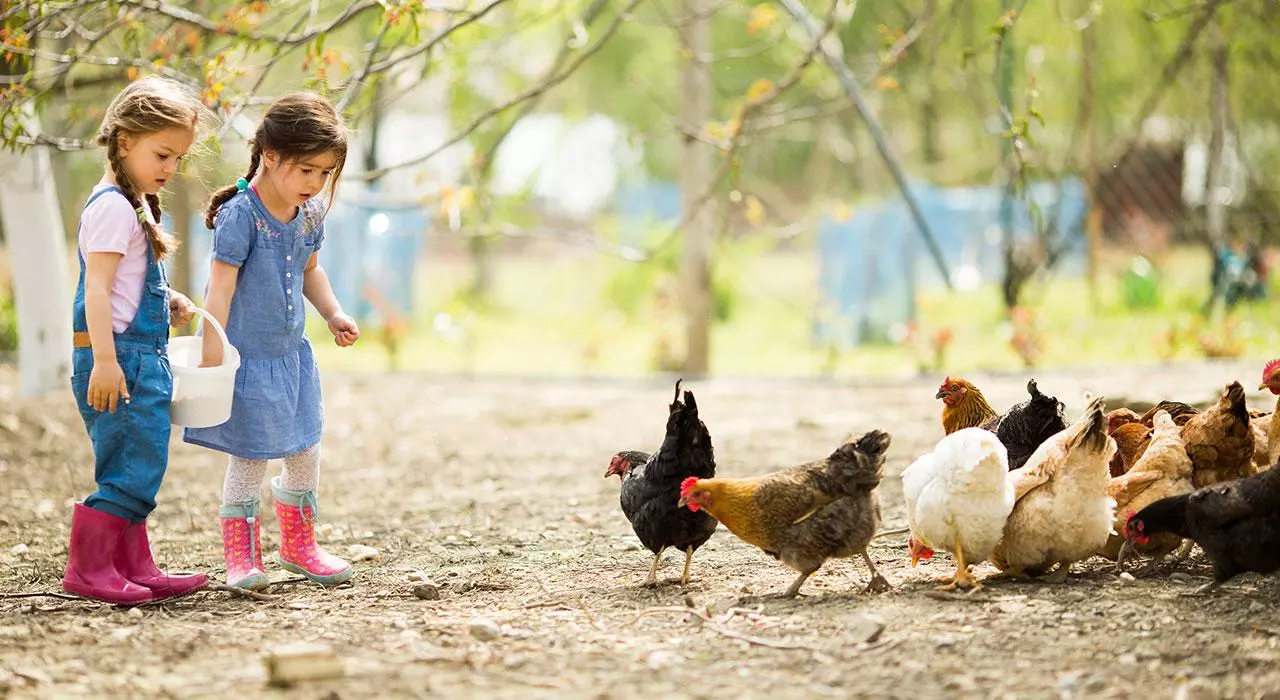
Este programa en Poultry Nutrition and Feeding es único dado su nivel de especialización y la secuencia lógica de aprendizaje con la que está ordenado el contenido.
Su objetivo último es especializar y actualizar a los profesionales en los aspectos técnicos y científicos más avanzados de la Nutrición y Alimentación animal.
Unos conocimientos que posibilitan la entrada, vinculación y especialización a uno de los sectores de la producción animal más importantes en la actualidad y con más demanda laboral y alta necesidad de especialización.
La población mundial actual estimada en 7.600 millones se prevé que aumente a 8.600 millones en el 2030 y la nutrición animal es una de las disciplinas llamadas a ayudar a solventar la problemática de producir proteína suficiente y económica, para alimentar esta creciente demanda, de manera eficiente y sostenible
Con un formato innovador, esta capacitación permite a los participantes desarrollar un aprendizaje autónomo y un manejo óptimo de su tiempo.
En resumen, es una propuesta ambiciosa, amplia, estructurada y entrelazada, en la que se abarcan desde los principios fundamentales y relevantes de la nutrición, hasta la fabricación del alimento. Todo ello con las características de un curso de alto nivel científico, docente y tecnológico.
Incorpórate a la élite, con esta capacitación de alta eficacia y abre nuevos caminos a tu progreso profesional”
Esta Postgraduate diploma en Poultry Nutrition and Feeding contiene el programa científico más completo y actualizado del mercado. Sus características más destacadas son:
- Última tecnología en software de enseñanza online
- Sistema docente intensamente visual, apoyado en contenidos gráficos y esquemáticos de fácil asimilación y comprensión
- Desarrollo de casos prácticos presentados por expertos en activo
- Sistemas de vídeo interactivo de última generación
- Enseñanza apoyada en la telepráctica
- Sistemas de actualización y reciclaje permanente
- Aprendizaje autoregulable: total compatibilidad con otras ocupaciones
- Ejercicios prácticos de autoevaluación y constatación de aprendizaje
- Grupos de apoyo y sinergias educativas: preguntas al experto, foros de discusión y conocimiento
- Comunicación con el docente y trabajos de reflexión individual
- Disponibilidad de los contenidos desde cualquier dispositivo fijo o portátil con conexión a internet
- Bancos de documentación complementaria disponible permanentemente, incluso después del programa
Con un diseño metodológico que se apoya en técnicas de enseñanza contrastadas por su eficacia, esta Postgraduate diploma en Poultry Nutrition and Feeding te llevará a través de diferentes abordajes docentes para permitirte aprender de forma dinámica y eficaz”
Nuestro personal docente está integrado por profesionales de diferentes ámbitos relacionados con esta especialidad. De esta manera nos aseguramos de ofrecerte el objetivo de actualización educativa que pretendemos. Un cuadro multidisciplinar de profesionales formados y experimentados en diferentes entornos, que desarrollarán los conocimientos teóricos, de manera eficiente, pero, sobre todo, pondrán al servicio del curso los conocimientos prácticos derivados de su propia experiencia: una de las cualidades diferenciales de esta capacitación.
Este dominio de la materia se complementa con la eficacia del diseño metodológico de este programa. Elaborado por un equipo multidisciplinario de expertos en e-learning integra los últimos avances en tecnología educativa. De esta manera, podrás estudiar con un elenco de herramientas multimedia cómodas y versátiles que te darán la operatividad que necesitas en tu especialización.
El diseño de este programa está basado en el Aprendizaje Basado en Problemas: un planteamiento que concibe el aprendizaje como un proceso eminentemente práctico. Para conseguirlo de forma remota, usaremos la telepráctica: con la ayuda de un novedoso sistema de vídeo interactivo, y el learning from an expert podrás adquirir los conocimientos como si estuvieses enfrentándote al supuesto que estás aprendiendo en ese momento. Un concepto que te permitirá integrar y fijar el aprendizaje de una manera más realista y permanente.
Con la experiencia de profesionales en activo, expertos en Nutrición Animal y Veterinaria"
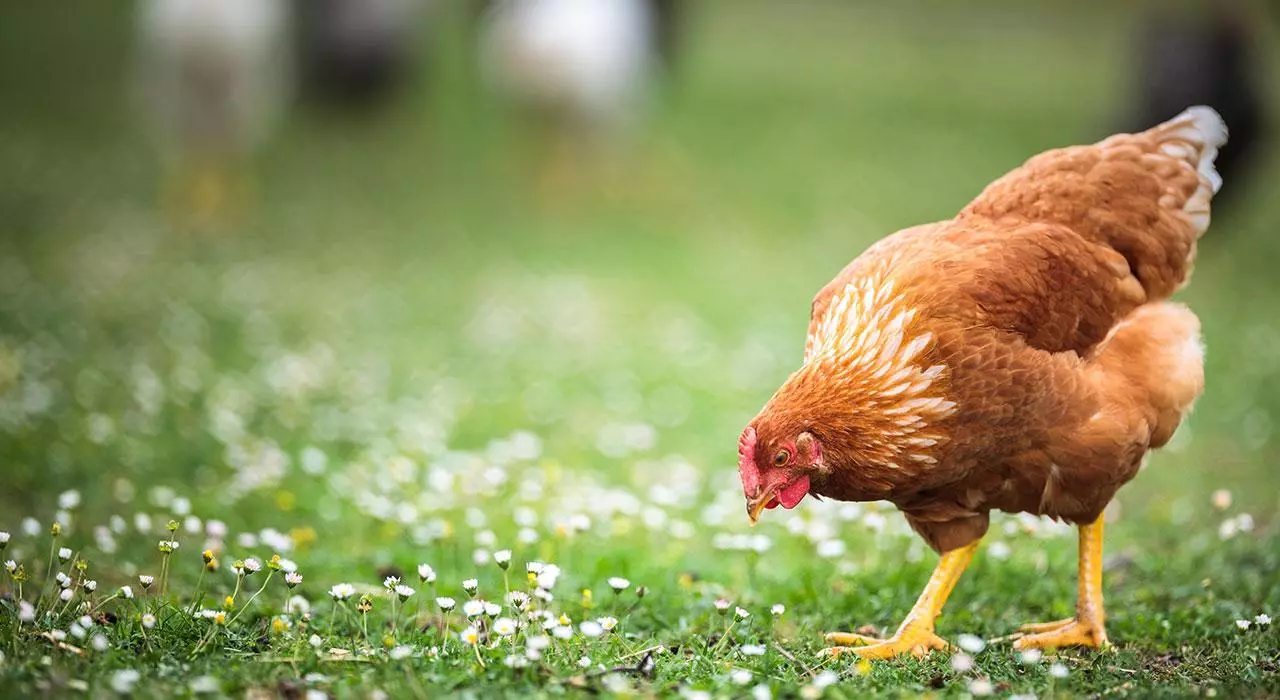
Un curso que te capacitará para trabajar en los sectores de producción avícola con la solvencia de un profesional de alto nivel"
Syllabus
The contents of this specialization have been developed by the different experts of this course, with a clear purpose: to ensure that our students acquire each and every one of the necessary skills to become true experts in this field. A complete and well-structured program that will take you to the highest standards of quality and success.

A comprehensive teaching program, structured in well-developed teaching units, oriented towards learning that is compatible with your personal and professional life"
Module 1. Nutrients and Metabolism
1.1. Carbohydrates
1.1.1. Carbohydrates in Animal Food
1.1.2. Classification of Carbohydrates
1.1.3. Digestion Process
1.1.4. Fiber and Digestion of Fiber
1.1.5. Factors which Affect the Utilistion of Fiber
1.1.6. Physical Function of Fibre
1.2. Metabolism of Carbohydrates
1.2.1. Metabolic Fate of Carbohydrates
1.2.2. Glycolysis, Glycogenolysis, Glycogenesis and Gluconeogenesis
1.2.3. Pentose Phosphate Cycle
1.2.4. Krebs Cycle
1.3. Lipids
1.3.1. Classification of Lipids
1.3.2. Functions of Lipids
1.3.3. Fatty Acids
1.3.4. Digestion and Absorption of Fats
1.3.5. Factors which Affect Lipid Digestion
1.4. Functions of Lipids
1.4.1. Metabolic Fate of Lipids
1.4.2. Fat Metabolism Energy
1.4.3. Oxidative Rancidity
1.4.4. Essential Fatty Acids
1.4.5. Lipid Metabolism Problems
1.5. Energetic Metabolism
1.5.1. Measurement of Heat Reaction
1.5.2. Biological Partitioning of Energy
1.5.3. Nutrient Caloric Increase
1.5.4. Energy Balance
1.5.5. Environmental Factors that Influence Energy Requirements
1.5.6. Characteristics of Energy Deficiencies and Excesses
1.6. Proteins
1.6.1. Protein Classification
1.6.2. Functions of the Different Proteins
1.6.3. Digestion and Absorption of Proteins
1.6.4. Factors which Affect Protein Digestion
1.6.5. Nutritional Classification of Amino Acids for Poultry and Swine
1.7. Protein Metabolism in Poultry and Swine
1.7.1. Metabolic Fate of Proteins
1.7.2. Gluconeogenesis and Degradation of Amino Acids
1.7.3. Excretion of Nitrogen and Synthesis of Uric Acid
1.7.4. Imbalance of Amino Acids and Energetic Cost of Protein Metabolism
1.7.5. Interaction Between Amino Acids
1.8. Vitamins and Minerals
1.8.1. Vitamin Classification
1.8.2. Vitamin Requirements for Poultry and Swine
1.8.3. Vitamin Deficiencies
1.8.4. Macro and Micro minerals
1.8.5. Interaction Between Minerals
1.8.6. Organic Chelates
1.9. Mineral and Vitamin Metabolism
1.9.1. Vitamin Interdependence
1.9.2. Deficiencies and Toxicity of Vitamins
1.9.3. Choline
1.9.4. Metabolism of Calcium and Phosphorus
1.9.5. Electrolyte Balance
1.10. Water. The Forgotten Nutrient
1.10.1. Principal Functions of Water
1.10.2. Distribution of Water in an Organism
1.10.3. Sources of Water
1.10.4. Factors Affecting Water Requirements
1.10.5. Water Requirements
1.10.6. Requirements for the Quality of Drinking Water
Module 2. Nutrition and Food in Poultry
2.1. Broiler Chickens, Feeding Programs and Nutritional Requirements
2.1.1. Genetic Evolution and Changes in Nutritional Requirements
2.1.2. Food Programs
2.1.3. Nutritional Requirements in the Main Genetic Lines
2.1.4. Nutrition by Gender
2.1.5. Nutritional Strategies to Reduce Environmental Impact
2.2. Special Food for Broiler Chickens
2.2.1. Transport Feed (from Hatchery to Farm)
2.2.2. Pre-Starter Food
2.2.3. Finishing Food
2.3. Nutritional Strategies to Improve the Quality of a Whole Chicken
2.3.1. Production Focus: Whole Chicken or Chicken Pieces
2.3.2. Feeding Program for Chicken Pieces
2.3.3. Nutritional Adjustments for Increased Chicken Breast Yield
2.3.4. Strategies to Ensure the Quality of Fresh or Chilled Whole Chickens
2.4. Pullet Chickens, Feeding Programs and Nutritional Requirements
2.4.1. Nutritional Program According to Age and Performance
2.4.2. Nutritional Specifications of Pullet Diets
2.4.3. Factors Affecting the Performance and Optimization of Nutrient Consumption
2.4.4. Pre-Posture Diet
2.5. What is the Purpose of a Pre-Posture Diet
2.5.1. Supply Period
2.5.2. Nutritional Profile of the Pre-Posture Diet
2.5.3. Calcium and Phosphorus in Pre-Posture Diet
2.6. Layer Hens, Feeding Programs and Nutritional Requirements
2.6.1. Posture Stages and Characteristics
2.6.2. Staged Feeding Program
2.6.3. Nutritional Requirements
2.6.4. Consumption Models
2.6.5. Food Texture
2.6.6. Egg Size
2.7. Nutrition and Egg Shell
2.7.1. Importance of the Shell Quality
2.7.2. Formation of the Shell
2.7.3. Factors Which Affect a Good Quality Shell
2.7.4. Nutritional Strategies and the Additives to Safeguard the Quality of the Shell
2.7.5. Confusion Matrices, Feeding Programs and Nutritional Requirements
2.7.6. Development Stages of the Breeder
2.7.7. Feeding Program for Chicks
2.7.8. Nutritional Requirements of Chicks
2.7.9. Nutritional Program for Breeding Adults
5.7.10. Male Nutrition
2.7.11. Nutrition and Hatchability
2.8. Nutritional Strategies and the Additives for the Intestinal Health of the Poultry
2.8.1. Importance of Intestinal Health and Integrity
2.8.2. Aspects Which Challenge the Intestinal Integrity
2.8.3. Nutritional Strategies to Safeguard Intestinal Health
2.8.4. Additives and Programs for Intestinal Health
2.9. Caloric Stress and Nutritional Strategies
2.9.1. Physiology and Caloric Stress
2.9.2. Nutrition and Endogenous Heat Production.
2.9.3. Electrolyte Balance
2.9.4. Physiological Mechanisms of Heat Dissipation in Birds
2.9.5. Nutritional Strategies to Help Combat Caloric Stress
Module 3. Additives in Animal Food
3.1. Definitions and Types of Additives Used in Animal Food
3.1.1. Introduction
3.1.2. Classification of Additive Substances
3.1.3. Additives for Quality
3.1.4. Performance Enhancing Additives
3.1.5. Nutraceuticals
3.2. Anticoccidials and Growth-Promoting Antibiotics
3.2.1. Types of Anticoccidials
3.2.2. Anticoccidials Programs
3.2.3. Growth-Promoting Antibiotics and Purposes of Us
3.3. Enzymes
3.3.1. Phytases
3.3.2. Carbohydrases
3.3.3. Proteases
3.3.4. Mananasa Beta
3.4. Antifungals and Mycotoxin Binders
3.4.1. Importance of Fungal Contamination
3.4.2. Types of Fungi that Contaminate Grains
3.4.3. Substances with Antifungal Characteristics
3.4.4. What are Mycotoxins?
3.4.5. Types of Mycotoxins
3.4.6. Types of Binders
3.5. Acidifiers and Organic Acids
3.5.1. Objectives and Approaches to the Use of Acidifiers in Poultry and Swine
3.5.2. Types of Acidifiers
3.5.3. What are Organic Acids?
3.5.4. Main Organic Acids Used
3.5.5. Mechanisms of Action
3.5.6. Technological Characteristics of Acidifiers
3.6. Antioxidants and Pigmenting Agents
3.6.1. Importance of Antioxidantes in Balanced Foods and Veterinary Nutrition
3.6.2. Natural and Synthetic Anitoxidants
3.6.3. How Antioxidants Work
3.6.4. Pigmentation in the Egg and the Chicken
3.6.5. Pigment Sources
3.7. Probiotics, Prebiotics, and Symbiotics
3.7.1. Differences between Probiotics, Prebiotics, and Symbiotics
3.7.2. Types of Probiotics and Prebiotics
3.7.3. Approaches and Strategies of Use
3.7.4. Benefits of Poultry and Pig Farming
3.8. Odour-Controlling Products
3.8.1. Air Quality and Ammonia Control in Poultry Farming
3.8.2. Yucca Shidigera
3.8.3. Odour Controls in Pig Farming
3.9. Phytogenics
3.9.1. What are Phytogenic Substances?
3.9.2. Types of Phytogenic Substances
3.9.3. Procurement Processes
3.9.4. Mechanisms of Action
3.9.5. Essential Oils
3.9.6. Flavonoids
3.9.7. Pungent Substances, Saponins, Tannins and Alkaloids
3.10. Bacteriophages and Other New Technologies
3.10.1. What atr Bacteriophages ?
3.10.2. Reccomendations for Use
3.10.3. Proteins and Bioactive Peptides
3.10.4. Egg Immunoglobulins
3.10.5. Additives for the Correction of Process Losses

A unique, key and decisive training experience to boost your professional development"
Postgraduate Diploma in Poultry Nutrition and Feeding
.
The poultry sector is a fundamental mainstay in the food industry, and the nutrition and feeding of poultry is essential to ensure their proper development and production. For this reason, TECH has created the Postgraduate Diploma in Poultry Nutrition and Feeding, aimed at veterinary professionals seeking to update and perfect their technical and practical knowledge in this field. The program addresses the main aspects related to the nutrition and feeding of the main poultry species destined for the production of animal protein, such as broilers and laying hens. In addition, the program will also cover differentiated nutrition in broilers to obtain a higher yield of cuts, as well as the use of special feeds, the transport of newly hatched birds and the transport of finished birds before slaughter. With this program, veterinary professionals will be able to learn the most advanced techniques and strategies to guarantee a healthy and balanced diet in production poultry, maximizing their performance and quality. In addition, they will be able to acquire skills in the evaluation and control of feed quality, as well as in the management of risks associated with poultry feeding.
Delve into the poultry industry as a veterinarian
.
The Postgraduate Diploma in Poultry Nutrition and Feeding is presented in a 100% online format and with flexible scheduling, which allows students to combine their training with their work and personal activity. In this way, they will be able to advance in their professional career within the poultry sector, improving their profile and knowledge in a fundamental area for the production of animal protein. In summary, the Postgraduate Diploma in Poultry Nutrition and Feeding is the ideal postgraduate course for those veterinary professionals who wish to specialize and update their knowledge in this area, and thus improve their professional profile and advance their career within the poultry industry.