
University certificate







The world's largest faculty of education”
Introduction to the Program
“Este programa de Postgraduate diploma en Coaching Educativo e Inteligencia Emociona generará una sensación de seguridad en el desempeño de tu profesión, que te ayudará a crecer personal y profesionalmente”
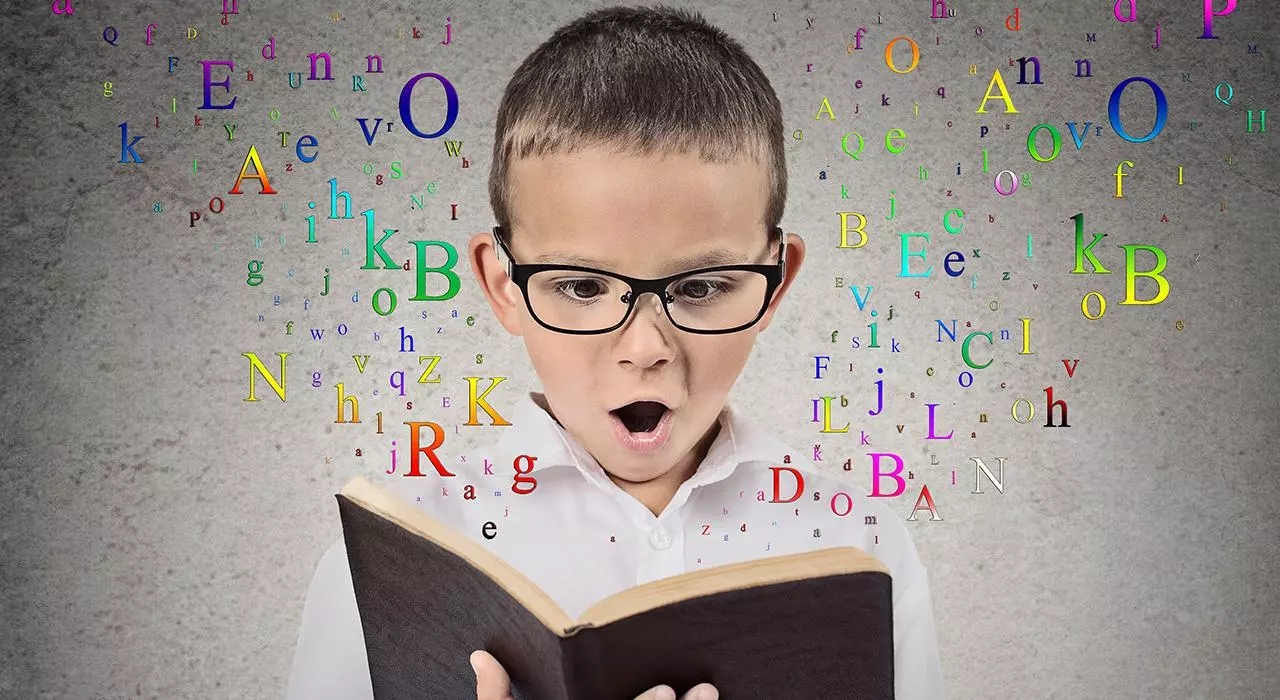
Las administraciones educativas son conscientes de la necesidad de formar a las nuevas generaciones en competencias emocionales que les permitan adaptarse a este nuevo modelo de sociedad emergente. Además de poseer la formación necesaria a nivel conceptual en sus ámbitos de Postgraduate diploma han de desarrollar habilidades socioemocionales que les capaciten para gestionar la cantidad ingente de información que se genera día a día, flexibilidad para adaptarse a los diferentes desafíos y adquisición de herramientas y recursos que les permita reinventarse.
Se hace necesario que el centro educativo ofrezca a los alumnos una formación holística e integral que preste atención tanto a la dimensión cognitiva como a la dimensión emocional y relacional.
Emoción y aprendizaje son dos caras de la misma moneda. La preocupación por la formación de personas capaces de adaptarse a las exigencias del mundo actual se refleja en las recomendaciones de organismos internacionales como la Unesco (1998a, 1998b), en el informe Delors (1997) propone los cuatro pilares de la para el siglo XXI: aprender a conocer, aprender a hacer, aprender a convivir y aprender a ser. Aprender a Convivir y Aprender a Ser están íntimamente relacionadas con las habilidades sociales y emocionales necesarias para desarrollarse integralmente a lo largo de toda la vida.
Podemos aunar Coaching e Inteligencia Emocional citando a Gallway “ Si consigue llevar a su alumno a rechazar o a controlar los obstáculos interiores que le impiden alcanzar su nivel óptimo de actuación, el potencial natural de este alumno se manifestará sin que tenga necesidad de aportaciones técnicas masivas desde el exterior”.
El Coaching escolar se sitúa en el nivel de la persona, siguiendo a Devillard, exitirían dos corrientes: el Coaching de resolución cuando la persona se enfrenta a sus límites, sus relaciones, su estrés, su comunicación o a un problema concreto o recurrente y el Coaching de desarrollo cuando la acción se centra en una situación concreta y el objeto es el desarrollo de los mejores medios para alcanzar el objetivo. Ambas corrientes se afrontan de una manera sutil a lo largo del programa.
Este programa ofrece una incursión en el ámbito de las Neurociencias y la Neurodidáctica como base teórica centrándose en la Inteligencia Emocional y Educación, en la importancia de las Creencias, los Valores y la Identidad en el rendimiento académico y en el bienestar socioemocional dando paso a las principales metodologías activas para el aula: el aprendizaje basado en proyectos, la gamificación, la clase invertida o flipped classroom, entre otras.
Aumenta tus conocimientos a través dla Postgraduate diploma en Educational Coaching and Emotional Intelligence”
Esta Postgraduate diploma en Educational Coaching and Emotional Intelligence contiene el programa científico más completo y actualizado del mercado. Las características más destacadas del curso son:
- El desarrollo de casos prácticos presentados por expertos. en Educational Coaching and Emotional Intelligence.
- Sus contenidos gráficos, esquemáticos y eminentemente prácticos con los que están concebidos, recogen una información científica y práctica sobre aquellas disciplinas indispensables para el ejercicio profesional.
- Las novedades sobre Educational Coaching and Emotional Intelligence.
- Los ejercicios prácticos donde realizar el proceso de autoevaluación para mejorar el aprendizaje.
- Su especial hincapié en metodologías innovadoras en Coaching Educativo e Inteligencia Emoconal.
- Las lecciones teóricas, preguntas al experto, foros de discusión de temas controvertidos y trabajos de reflexión individual.
- La disponibilidad de acceso a los contenidos desde cualquier dispositivo fijo o portátil con conexión a internet.
Esta Postgraduate diploma es la mejor inversión que puedes hacer en la selección de un programa de actualización por dos motivos: además de poner al día tus conocimientos en Educational Coaching and Emotional Intelligence, obtendrás un título de Postgraduate diploma por la mayor Universidad Digital del mundo, TECH”
Incluye en su cuadro docente a profesionales pertenecientes al ámbito de la Educational Coaching and Emotional Intelligence, que vierten en esta formación la experiencia de su trabajo, además de reconocidos especialistas de sociedades de referencia y universidades de prestigio.
Su contenido multimedia, elaborado con la última tecnología educativa, permitirá al profesional un aprendizaje situado y contextual, es decir, un entorno simulado que proporcionará un estudio inmersivo programado para entrenarse ante situaciones reales.
El diseño de este programa se centra en el Aprendizaje Basado en Problemas, mediante el cual el alumno deberá tratar de resolver las distintas situaciones de práctica profesional que se le planteen a lo largo del curso. Para ello, el alumno contará con la ayuda de un novedoso sistema de vídeo interactivo realizado por reconocidos expertos en el campo del Coaching Educativo y la Inteligencia Emocional y con gran experiencia docente.
Aumenta tu seguridad en la toma de decisiones actualizando tus conocimientos a través de esta Postgraduate diploma"
Aprovecha la oportunidad para conocer los últimos avances en Educational Coaching and Emotional Intelligence y mejorar la formación de tus alumnos”
Syllabus
The structure of the contents has been designed by a team of professionals from the best educational institutions and universities in the country, who are aware of the relevance of up-to-date, innovative training and are committed to quality teaching using new educational technologies.

This Postgraduate diploma in Educational Coaching and Emotional Intelligence contains the most complete and up-to-date program on the market”
Module 1. Neurosciences and Education
1.1. Neuroscience
1.1.1. Concept of Neuroscience
1.1.2. Neuromyths
1.2. The brain: Structure and Function
1.2.1. Triune Model
1.2.2. Bilateral Model
1.2.3. Cognitive Brain and Emotional Brain
1.3. Neuroscience and Learning
1.3.1. What is Learning?
1.3.2. Learning Styles
1.3.3. Types of Learning
1.3.4. Competencies for Learning
1.4. Multiple intelligences
1.4.1. Definition
1.4.2. Classification
1.5. Neuroscience– Education
1.5.1. What is Neuroeducation?
1.5.1.1. Brain Plasticity
1.5.1.2. Memory
1.5.1.3. Emotion
1.5.1.4. Attention
1.5.2. Contributions of Neuroscience to Learning
1.5.3. What is Neurodidactics?
1.6. Neurosciences in the Classroom
1.6.1. Classroom Applications
1.6.2. Classroom Organization
1.6.3. Proposal for Classroom Improvement
1.7. Playing and New Technologies
1.7.1. Learning by Playing
1.7.2. The Neurocognitive Process
1.7.3. Basic Principles of Educational Games
1.7.4. Neuroeducation and Board Games
1.7.4.1. Development of Executive Functions
1.8. Body and Brain
1.8.1. The Social Brain
1.8.2. How do we prepare the Brain for Learning?
1.8.3. Feeding
1.8.4. Rest
1.8.5. Exercise
1.9. Neuroscience for preventing School Failure
1.9.1. Elements for a Success-oriented Pedagogy
1.9.2. Some suggestions for improving the Learning Process
1.10. Reason and Emotion
1.10.2. Why Educate Emotions in the Classroom?
1.10.3. Effective Learning through Emotions
Module 2. Emotional Intelligence
2.1. Definition of Emotional Intelligence
2.1.1. Keys to Develop Emotional Intelligence
2.2. Emotions
2.2.1. Towards a Definition
2.2.2. What are Emotions for?
2.2.3. Emotional Process
2.2.4. Classification and Types of Emotions
2.3. Emotions, Attitude, and Competence
2.3.1. Emotional Competencies
2.3.2. Social Skills or Interpersonal Relationships
2.4. Emotional Management
2.4.1. Self-knowledge
2.4.2. Emotional Awareness
2.4.3. Self-Appraisal
2.4.3.1. Our Strengths and Weaknesses
2.4.4. Emotional Communication
2.4.4.1. The Power of Words
2.4.4.2. Assertiveness
2.4.4.3. Non-verbal Language
2.5. Emotional Intelligence and Education
2.5.1. Classroom Climate
2.5.2. Emotional Understanding in the Classroom
2.5.3. Emotional Learning
2.5.3.1. Tools for Classroom Management
2.6. Thinking Skills
2.6.1. Realistic Thinking
2.6.2. Optimism
2.7. Self-Motivation and Achievement Capabilities
2.7.1. How to make education something important for the child?
2.7.2. Persistence and Effort
2.7.3. Facing Failure
2.8. Teacher Welfare
2.8.1. Emotional Education and the Role of the Teacher
2.8.2. The Emotionally Intelligent Teacher
2.8.3. Techniques to Obtain Enriching Feedback
2.9. Habits of People with High Emotional Intelligence
2.9.1. Leadership
2.9.2. Elements that Generate High Performance
2.10. Highly Sensitive People
2.10.1. Emotional Regulation
2.10.2. Emotional Perception
2.10.3. Emotional Assimilation
2.10.4. Emotional Understanding
Module 3. Beliefs, Values, and Identity
3.1. Nature of Beliefs
3.1.1. Concepts about Beliefs
3.1.2. Characteristics of a Belief
3.1.3. Behavior and Beliefs
3.1.4. Types of Beliefs
3.2. Origin of Limiting Beliefs
3.2.1. Cognitive distortions
3.2.2. Irrational Ideas
3.3. Managing Belief Change
3.3.1. Basis of Coping
3.3.2. Types of Coping
3.4. Mindset for Change and Innovation
3.4.1. Fixed Mindset
3.4.2. Growth Mindset
3.4.3. Inertia Zone and Learning Zone
3.4.4. Creative Tension
3.5. Coaching and Change
3.5.1. Generative and Evolutionary Changes
3.6. Values and Counter-Values
3.6.1. Conceptualization of Values
3.6.2. Learning of Values
3.6.3. Values and Behavior
3.6.4. Counter-values
3.7. Identity
3.7.1. Identity and Identity Features
3.7.2. Psychological Models and Identity
3.7.4. Identity and Science
3.8. Personality Models
3.8.1. Enneagram: The Various Expressions of the Personality and its Needs
3.8.2. The MBTI Model
3.8.3. Other Models
3.9. Logical Levels
3.9.1. Human Needs
3.9.2. Levels of Consciousness
3.9.3. Alignment of Levels
3.10. Approach to Beliefs, Values, and Identity in Education
3.10.1. Diversity: Inclusiveness
3.10.2. Values-based Education. The Values of Positive Psychology
3.10.3. Self-esteem and Recognition: Identity Construction
Module 4. Active methodologies and innovation
4.1. Active Methodologies
4.1.1. What are they?
4.1.2. Features
4.1.3. Active Learning and Methodologies
4.2. Project Based Learning, Problems and Challenges
4.3. Thought Based Learning
4.3.1. Thought Design
4.4. Event Based Learning
4.5. Play Based Learning
4.5.1. Gamification
4.5.2. Scaperoom/bakedu
4.6. Flipped Classroom
4.7. Robotics and Programming in Education
4.8. e-learning, Micro-learning and Other Online Trends
4.9. Neuro-education Based Learning
4.10. Free, Natural Methodologies based on Individual Development
4.11. Educational Inclusion
4.11.1. Cooperative Learning
4.11.2. Shared Teaching
4.11.3. Interactive Groups
4.11.4. Learning Communities

A unique, key, and decisive training experience to boost your professional development”
Postgraduate Diploma in Educational Coaching and Emotional Intelligence
Educational coaching is a branch of pedagogy that has gained great strength in recent years, since its contribution to growth and learning through experience makes it a tool of great potential to generate cognitive and emotional changes in students. The Postgraduate Diploma in Educational Coaching and Emotional Intelligence of TECH Global University has an innovative study plan, which will provide applicants with the necessary tools and resources to properly venture into this area of knowledge, generating intervention protocols and detailed planning to ensure the progress of students in their different dimensions.
Study a postgraduate diploma in educational coaching and emotional intelligence 100% online
The TECH program has an experienced faculty in the pedagogical field, thanks to this, students will learn from the hand of experts the following topics: beliefs, identity, neuroscience, active methodologies, thinking skills, as well as other conceptual areas necessary to consolidate in an individual with the best skills in the field of teaching. Likewise, throughout the program they will learn about the Enneagram personality model, appreciating the different adaptation strategies of the enneatypes. Moreover, upon successful completion of the specialization, the student will be awarded a university degree of international recognition.